A practical English guide to Sapporo Art Park: the outdoor sculpture, the art museum, the forest and access from the city.
Operational details such as opening hours, admission fees, and train times can change. Prefer official pages and reconfirm before you travel (sources checked on 05 November 2026).
Why visit
- Sapporo Art Park sits in a wooded valley in the southern hills of the city, half an hour from the centre by subway and bus, and it is one of the few places in Hokkaido where a museum, a sculpture garden and a working craft studio share the same stretch of forest. It opened in 1986 as a place to make art as well as look at it, and that idea still shapes the visit: you can walk a trail of outdoor sculpture in the morning and try a glass or pottery session in the afternoon.
- The scale is generous without being exhausting. The museum holds temporary exhibitions through the year, the sculpture trail runs up a slope of birch and maple, and the craft buildings sit in a cluster where you can watch a potter or a glassblower at work. Because everything is spread through trees, the park feels quieter than its size suggests, and it is easy to spend four or five hours without covering the same path twice.
- For families the appeal is immediate: open lawns, a shallow stream, a playground area and workshops pitched at beginners. For travellers with a stronger interest in art, the sculpture collection and the museum’s programme are the draw, and the architecture of the buildings, low and grey against the forest, is part of the experience. It is also a useful counterweight to the shopping and food of central Sapporo.
- The park is a good half-day for anyone who has already seen the clock tower and the old government building and wants to understand how Sapporo lives outside the grid. It combines naturally with the Makomanai area and with Jozankei, so it can anchor a day that ends at a hot spring rather than back in Susukino.
Top places and highlights
The outdoor sculpture trail
Dozens of works stand along the paths that climb from the entrance into the forest, and they are placed so that each one has room around it. Some are tall and abstract against the sky, others sit low among the trees and are easy to walk past until you notice them. The trail is not a formal gallery corridor: it bends, rises and occasionally opens onto a lawn, and the changing light through the leaves is half the effect. Allow an hour if you walk slowly, and rather more if you stop to read the labels and look back down the slope.
Sapporo Art Museum
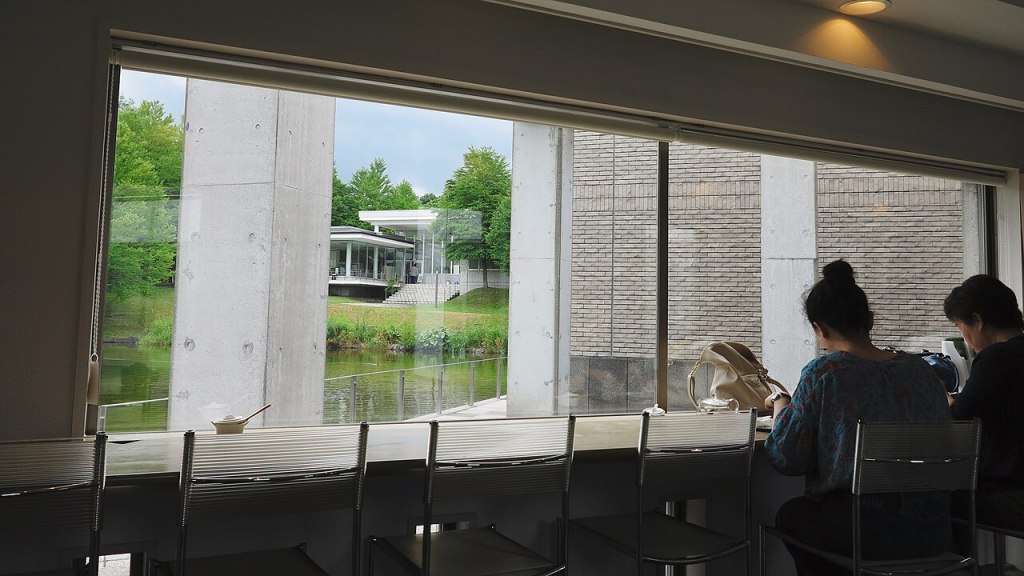
The park’s museum mounts temporary exhibitions that range from Japanese painting to photography and design, and the building itself is calm and well lit, with large windows that bring the trees inside. Exhibitions change several times a year, so the reason to go is always slightly different, and a visit of an hour is usually enough for the main galleries. There is a small shop by the entrance with catalogues and locally made objects, and the lobby is a comfortable place to wait out a shower.
The craft studios
This is the part that separates Sapporo Art Park from a conventional museum. In the craft buildings you can watch glass being blown, clay being thrown or wood being shaped, and in many cases book a short session and make something yourself. The workshops are run by working artists rather than demonstrators, and the atmosphere is that of a studio rather than a theme-park attraction. Sessions take time and places are limited, so it is worth asking at the reception when you arrive rather than at the end of the day.
The forest itself
The park was laid out inside existing woodland rather than on cleared ground, and the trees are the frame for everything else. In early summer the green is dense and the paths are cool, in autumn the slope turns red and yellow, and in winter the same route becomes a quiet walk under snow. Birds are common and the stream at the bottom of the valley is loud after rain. Even visitors who skip the museum tend to remember the walk between the buildings.
The outdoor stage and lawns
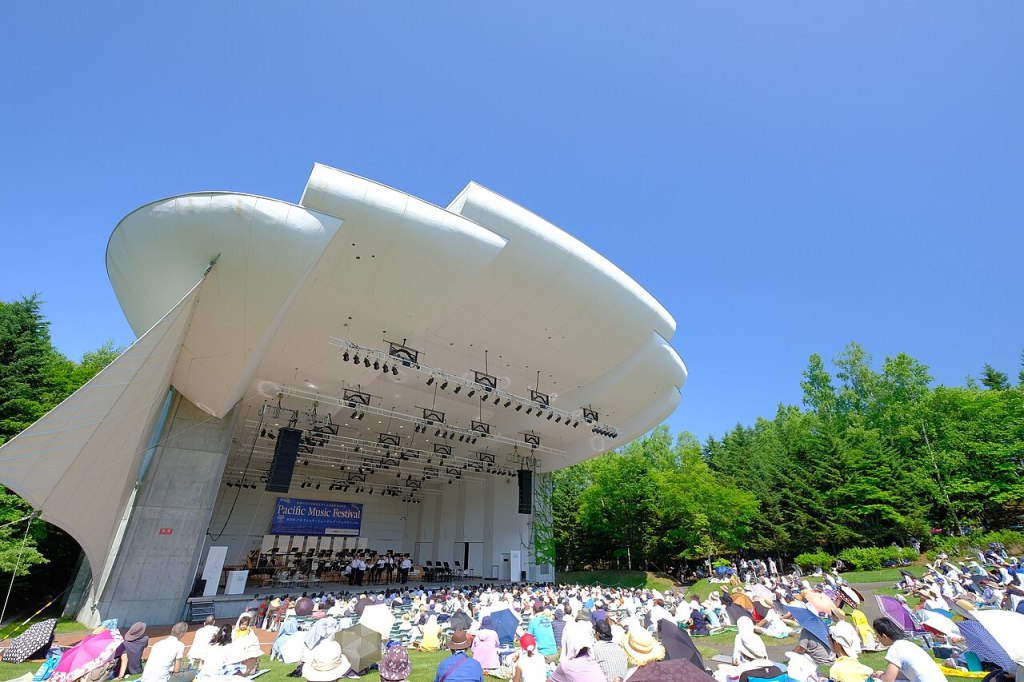
A broad lawn and an open-air stage sit near the centre of the park, and on weekends in summer they host concerts, markets and family events. When nothing is scheduled the space belongs to picnics and to children running, and it gives the park a public, unpretentious feel that a gallery alone would not. If you are travelling with a group, this is the natural place to split up and meet again.
The artist studios
A row of small studios is let to artists for residencies, and depending on the season you may find one open with work in progress. The arrangement is modest and unglamorous, but it is a genuine link between the park and the people who make things in it, and it explains why the site feels active rather than preserved. Look for the notices at the studio doors, which say whether visitors are welcome on that day.
The walk from Makomanai
The bus from Makomanai subway station is the usual approach, but the last stretch of road and the path into the park set the tone: low houses, a stream, and then trees closing over the road. Arriving this way makes the park feel like a destination rather than an attraction, and the same route on the way home, with the light going, is one of the pleasantest half-hours in the city’s outskirts.
Food and drink
- There is a restaurant and a cafe inside the park, both convenient rather than destination dining, and the cafe near the museum is the easier stop for coffee and cake between buildings.
- Picnics are practical: buy sandwiches or onigiri in Makomanai before the bus, and eat on the lawn or at the tables near the entrance.
- Sapporo’s signature dishes are half an hour away in the centre, including soup curry, miso ramen and the grilled lamb of the city’s beer halls, so many visitors eat properly after the park rather than inside it.
- In the Makomanai area there are family restaurants and bakeries along the main road, useful if you are driving and want a quick meal before or after the visit.
- Jozankei, further up the valley, has onsen inns with set meals, and combining the park with a soak and an early dinner there is a sensible plan for a rental car day.
Getting there and around
- Take the Namboku subway line to Makomanai, the southern terminus, then a Jotetsu bus towards Sapporo Art Park; the ride is short and the stop is at the park entrance.
- By car the park is roughly forty minutes from central Sapporo, with a large paid car park on site and a second one near the museum.
- Cycling from Makomanai is possible in the warmer months, though the road climbs and the traffic on the main road is steady.
- Taxis from Makomanai are quick and worth it in winter or in a group, when the bus timetable is thin.
- The park is spread out once you are inside, so allow ten to fifteen minutes to walk between the entrance, the museum and the craft buildings.
Where to stay
- Most visitors stay in central Sapporo, in the Susukino or Sapporo station areas, where hotels of every price sit close to the subway.
- Jozankei has traditional onsen inns about forty minutes further up the valley, a good choice if you want a hot spring at the end of the day.
- The Makomanai area has a few business hotels and family lodgings, convenient if the park is your main reason for being in the south of the city.
- Camping and cabins are available in the wider Makomanai and Takino area in summer, which suits travellers with a car and their own gear.
Best time to visit
- Late April to June is fresh and green, with the forest coming into leaf and the park at its most comfortable for walking.
- July and August are warm and busy, with events on the lawn and the craft workshops fully booked at weekends.
- Autumn, from late September into October, is the best season for the sculpture trail, when the slope turns colour and the air is clear.
- Winter is quiet and often snowy; the museum stays open but parts of the outdoor site and the workshops run on a reduced schedule, so check the calendar before travelling out.
Practical tips
- Ask about craft sessions at reception as soon as you arrive; the popular ones fill early and take an hour or more.
- Wear shoes for walking on uneven ground, and carry a rain layer, since the trail is exposed in places.
- Buy food in Makomanai if you plan to picnic; the options inside the park are limited.
- The park is large, so decide before you go whether the museum or the sculpture trail is the priority.
- Combining the park with Jozankei works well by car but is slow by bus; keep the two halves of the day realistic.
- In winter, check that the bus is running and that the site you want is open, since snow can close paths.
Suggested day-trip outline
- Morning: subway to Makomanai, bus to the park, and the sculpture trail before the day warms up.
- Late morning: the museum’s current exhibition and the shop.
- Lunch: the park restaurant, or a picnic on the lawn in summer.
- Afternoon: a craft session, then the walk back through the forest to the bus stop.
- Late afternoon: return to Makomanai and continue to Jozankei, or head back to the centre for Susukino and dinner.
- Evening: soup curry or grilled lamb in the city, with an early night if the next day starts early.
Before you go
Timetables, fares, admission fees, and seasonal access rules can change. Check the official tourism and transport sites linked below for the latest information before you travel.
Explore More of Japan
Published guides that pair with this one:
- Sapporo Travel Guide: Food, Parks, and a Hokkaido Base
- Otaru Travel Guide: Canal Warehouses, Seafood, and a Day Trip from Sapporo
- Asahiyama Zoo Travel Guide: Hokkaido Animals in Winter
- Mount Moiwa Travel Guide: Sapporo Night View and the Ropeway
- Biei and Furano Travel Guide: Flower Fields, Blue Pond, and Hokkaido Scenery
Browse every Hokkaido guide on this site for the rest of the region.
Sources
- artpark.or.jp (checked 2026-11-05)
- sapporo.travel (checked 2026-11-05)


Leave a Reply