A practical English guide to Wakkanai in Hokkaido: Cape Soya, the ferry to Rishiri and Rebun, the breakwater dome, the seafood and how to get there from Sapporo.
Operational details such as opening hours, admission fees, and train times can change. Prefer official pages and reconfirm before you travel (sources checked on 06 November 2026).
Why visit
- Wakkanai is the northernmost city in Japan, on the tip of a peninsula that points at Sakhalin, and the geography is the attraction. The Sea of Okhotsk is on one side, the Sea of Japan on the other, and on a clear day the island of Sakhalin is visible from the hills above the town.
- The city is the ferry port for Rishiri and Rebun, the two islands off the coast, and most travellers pass through on the way to one of them. Staying a night changes the experience: the town empties in the evening, the fish market opens early, and the coastline north to Cape Soya is empty road.
- Cape Soya, about an hour north, is the northernmost point of Japan, marked by a monument and a view across the water. It is a stark, windy place, and the drive there through moorland and wind farms is as memorable as the cape itself.
- Wakkanai itself is a working port with a distinctive waterfront: the old breakwater dome, built in the 1930s to shelter the harbour, is the town’s landmark, and the fish market and the seafood restaurants around the port are the reason to eat here rather than wait for the islands.
Top places and highlights
Cape Soya
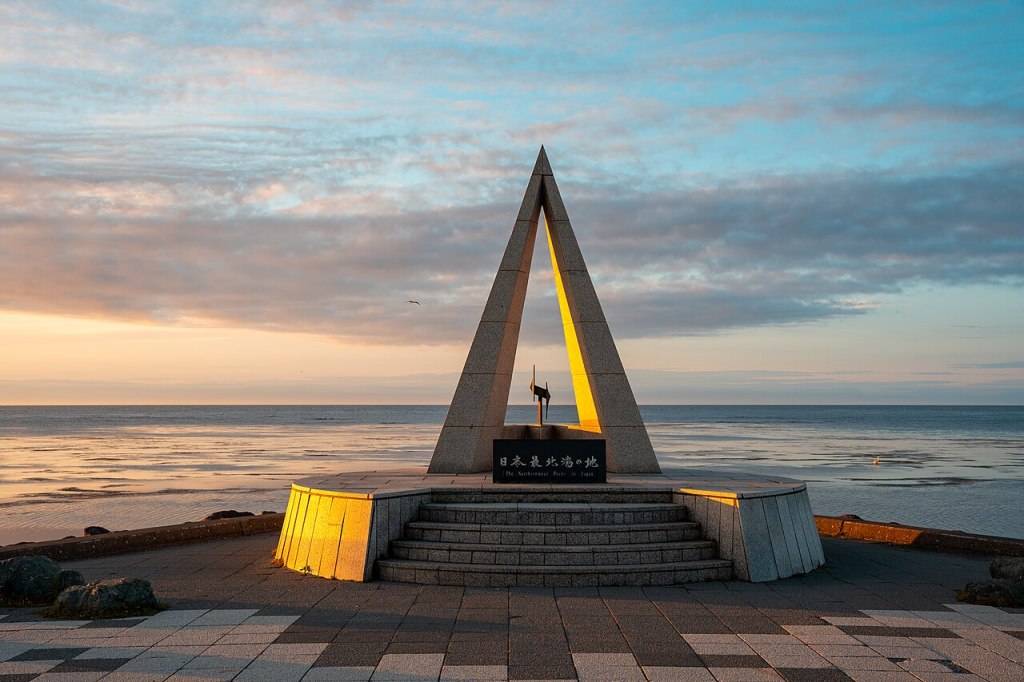
The northernmost point of Japan is a low headland with a monument, a small park and a view across the strait towards Sakhalin. It is wind-beaten and treeless, and the sense of an edge is the point. Buses run from Wakkanai in season, and the drive takes about an hour through open country.
The breakwater dome
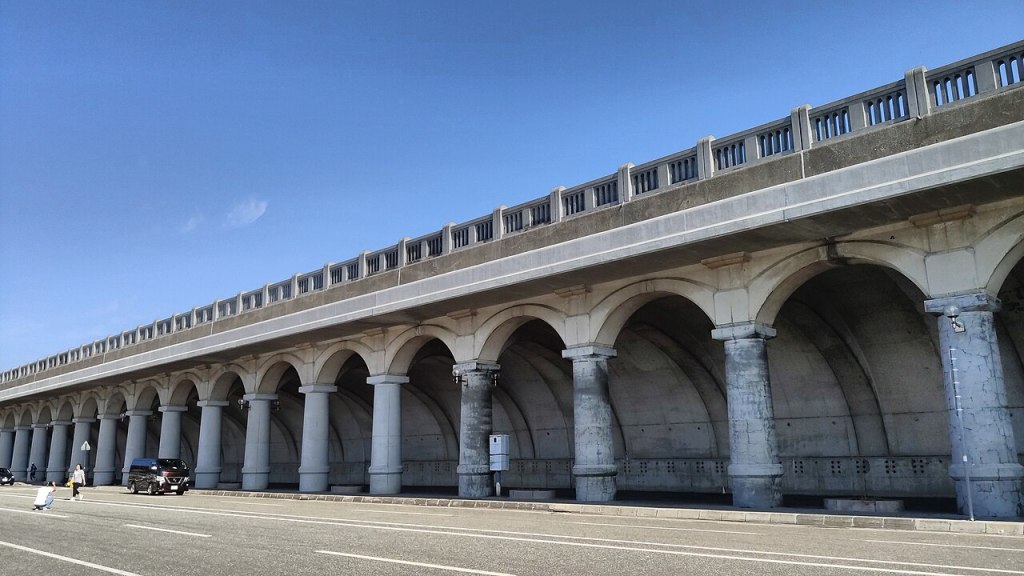
The concrete dome on the harbour wall was built in the 1930s to protect ships from the wind, and it is now the symbol of the city. It is a strange, functional structure, best seen from the water or from the quay, and it photographs well in low light. The waterfront around it has been tidied into a walkway.
The ferry to Rishiri and Rebun
Ferries leave Wakkanai for the two islands several times a day in season. Rishiri is the conical volcano, Rebun the long flower island, and both are worth a night of their own. The crossing takes around two hours, and the terminal is a short walk from the station.
The fish market
The morning market near the port sells the catch of the northern waters: scallops, sea urchin, salmon, cod and the dried fish that the coast is known for. It is a working market rather than a tourist attraction, and the restaurants attached to it serve breakfast bowls. Go early, since the best of it is gone by mid-morning.
The hills above the town
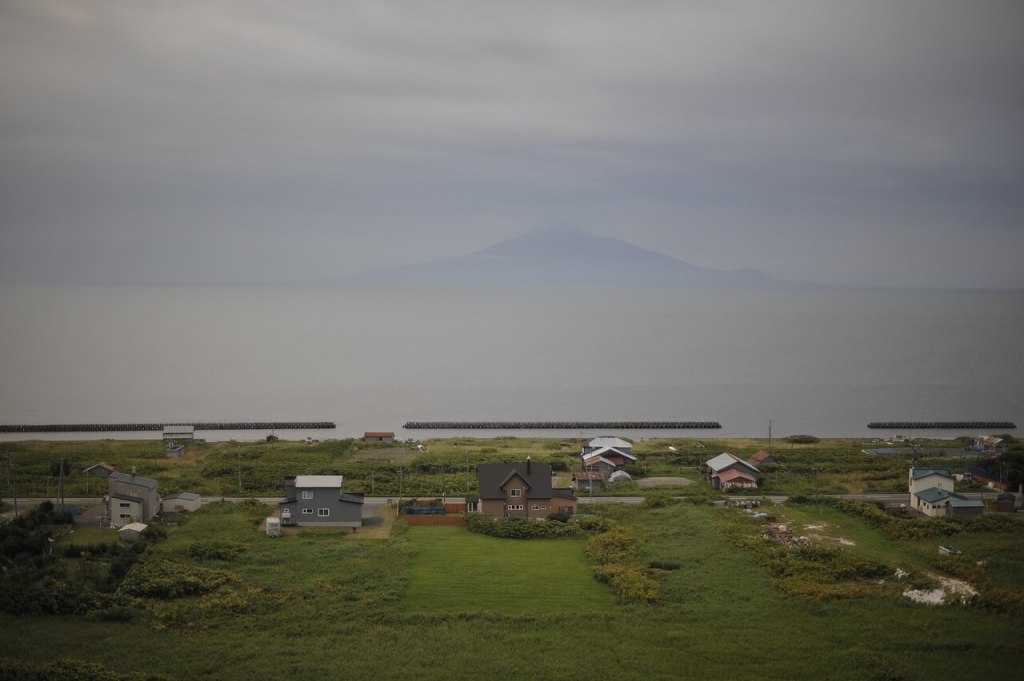
The low hills behind Wakkanai give a view over the whole peninsula, the harbour and the islands, and they are the best place to understand the geography. The road up is short, and on a clear day Rishiri and Rebun are both visible, with Sakhalin beyond.
The coastline north
The road from Wakkanai to Cape Soya crosses moorland, wind farms and a few tiny settlements. It is one of the emptiest stretches of road in Japan, and the light on the grass and the sea is the reason to drive rather than take the bus. Stop at the small fishing ports on the way.
The northern seafood
The cold water gives dense, sweet scallops, good sea urchin in season and salmon that is eaten fresh rather than smoked. The restaurants around the port serve it plainly: sashimi, grilled shellfish, rice bowls. Prices are lower than in Sapporo, and the quality is at least as good.
Food and drink
- Scallops and sea urchin are the local specialities, served raw, grilled or in rice bowls.
- The morning market near the port serves breakfast sets built around the day’s catch.
- Salmon, cod and dried fish are the everyday staples of the northern coast.
- Rishiri kelp and the kombu from the surrounding water are used in soup stocks across Hokkaido.
- Dairy from the surrounding farms appears in the local ice cream and cheese, and the milk is worth trying.
Getting there and around
- Wakkanai is the northern terminus of the JR Soya Line, about five hours from Sapporo with a change at Asahikawa.
- Flights connect Wakkanai with Sapporo and Tokyo, and the airport is a short bus ride from the centre.
- The ferry terminal for Rishiri and Rebun is a short walk from the station and the main hotels.
- Buses run from the city to Cape Soya in season, but the service is limited and the round trip takes most of a day.
- A rental car is the best way to see the coast and the cape, and the roads are quiet outside summer.
Where to stay
- Hotels cluster around the station and the ferry terminal, and they are practical rather than luxurious.
- A few small inns near the port serve seafood dinners and are worth booking for the food.
- The islands have their own accommodation, and staying there is the reason to use Wakkanai as a stopover.
- Book ahead in summer, when the island ferries fill the town’s hotels.
Best time to visit
- Summer is short, cool and the only reliable season for the islands and the cape.
- Spring arrives late and the wind is cold, but the coast is empty and the light is clear.
- Autumn is brief, with colour on the moorland and the last ferries of the year.
- Winter is severe, with snow, wind and a rough sea; some services stop and the town is quiet.
Practical tips
- Check the ferry schedule before planning the islands; crossings are cancelled in bad weather.
- The cape is exposed and cold even in summer, so bring a windproof layer.
- Go to the fish market early, since the restaurants close in the afternoon.
- Book a rental car in advance in summer, when the supply is limited.
- Distances are long and the bus service is thin; plan the return leg before you set out.
- Carry cash for the small port restaurants and the market stalls.
Suggested day-trip outline
- Early morning: the fish market and a seafood breakfast.
- Morning: the breakwater dome and the harbour walk.
- Late morning: the drive north towards Cape Soya.
- Midday: Cape Soya and the view across the strait.
- Afternoon: the coast road back, with stops at the small ports.
- Evening: dinner near the port, then the ferry or the train the next morning.
Before you go
Timetables, fares, admission fees, and seasonal access rules can change. Check the official tourism and transport sites linked below for the latest information before you travel.
Explore More of Japan
Published guides that pair with this one:
- Mashike Travel Guide: A Hokkaido Herring Town and Its Sake
- Rishiri Island Travel Guide: Rishiri Fuji, Kombu and the Far North
- Shakotan Peninsula and Cape Kamui: Hokkaido’s Clear-Water Coast
- Cape Soya Travel Guide: Japan’s Northernmost Point
- Rebun Island Travel Guide: Japan’s Northern Flower Island
Browse every Hokkaido guide on this site for the rest of the region.
Sources
- city.wakkanai.hokkaido.jp (checked 2026-11-06)
- visit-hokkaido.jp (checked 2026-11-06)


Leave a Reply