A practical English guide to Tsurui in eastern Hokkaido: the tancho crane sanctuary, the Otowa bridge sunrise, the feeding season, and access from Kushiro.
Operational details such as opening hours, admission fees, and train times can change. Prefer official pages and reconfirm before you travel (sources checked on 06 November 2026).
Why visit
- Tsurui is a farming village on the Kushiro plain in eastern Hokkaido, and it is the best place in Japan to see red-crowned cranes in winter. The birds gather here because the village feeds them through the coldest months, and the result is a concentration of tancho that exists nowhere else.
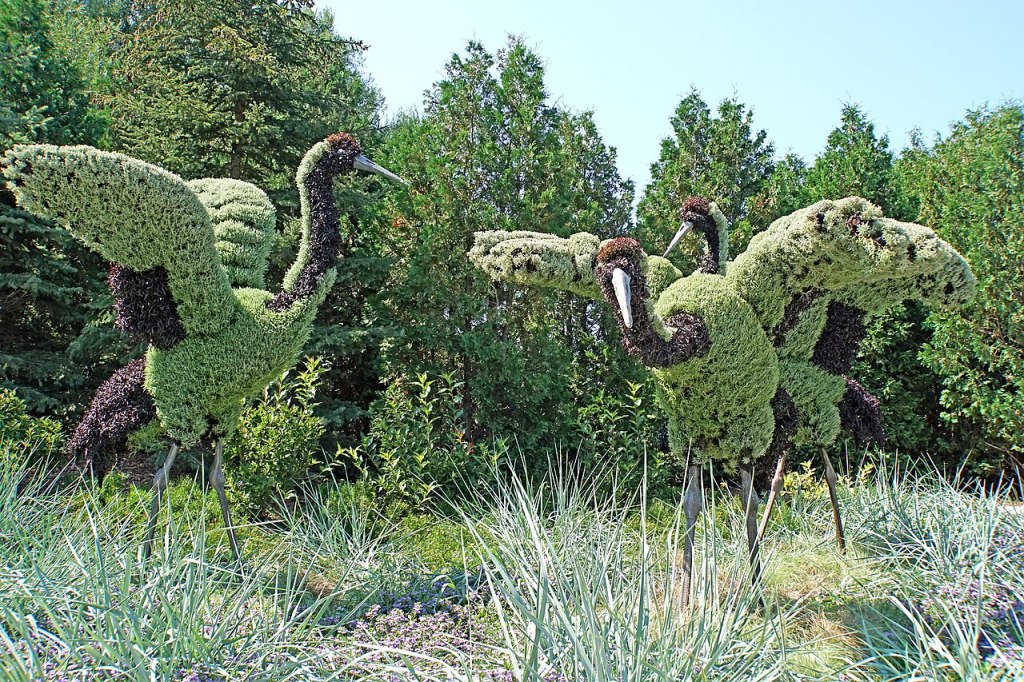
- The crane is a large bird, over a metre tall, white with black wing tips, a black neck and a patch of red skin on the crown. It was brought close to extinction in Japan in the early twentieth century, and the population here survives because farmers in this part of the Kushiro marsh began putting out grain for them and kept doing it.
- The village is small and agricultural, with dairy farms, wide fields and a grid of straight roads, and there is almost nothing else to do. That is the point: you come for the cranes, you stay for a night, and you are out at dawn on a bridge over the Setsuri river with a camera and a thermos.
- The season runs from late autumn to early spring, when the birds are concentrated at the feeding sites. In summer they disperse across the marsh and are much harder to see. Winter is cold, often below minus ten, and the reward is cranes standing in snow with steam rising off the river.
Top places and highlights
The Tsurui Ito Tancho Sanctuary
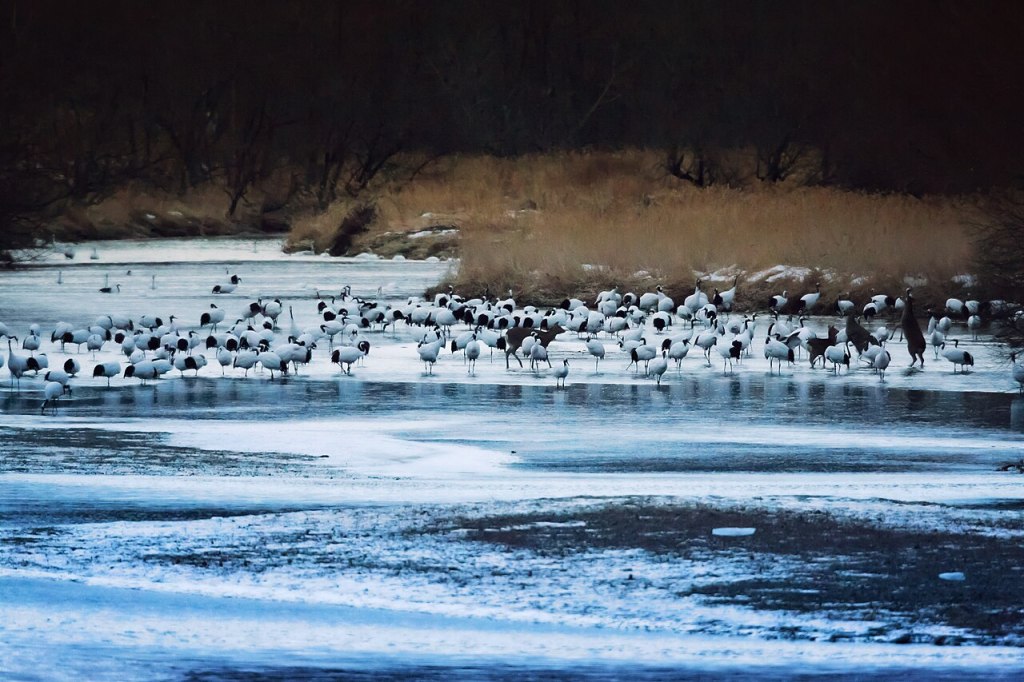
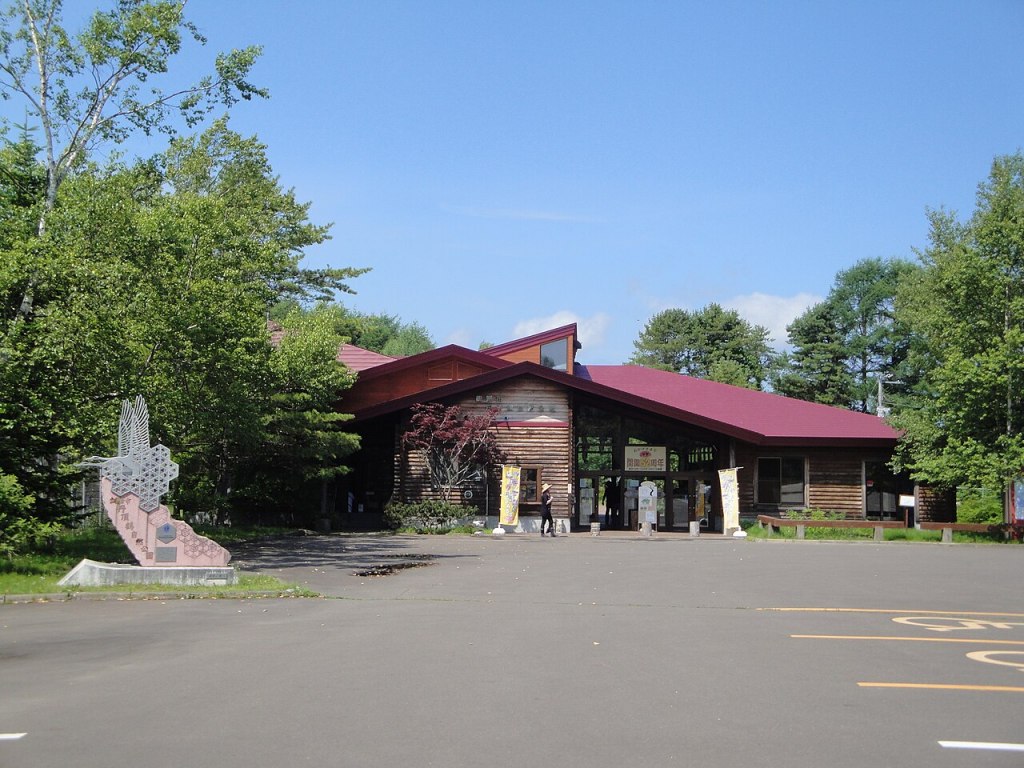
The sanctuary is a fenced feeding area with a visitor building and a view over the birds, run as a conservation and observation site rather than an attraction. Cranes come in through the day in winter, and the numbers peak in the coldest weeks. The building has windows and a small exhibition, and it is the most reliable place to see the birds at close range.
The Otowa bridge at dawn
The bridge over the Setsuri river is the classic photograph: cranes roosting in the open water of the river at first light, with steam coming off the surface and the birds outlined against it. It is a public road bridge, so photographers line the railings before sunrise in winter. Be careful of traffic and do not block the road.
The feeding season
Feeding runs through the winter, roughly from November to March, and the timing shifts with the weather and the birds. The cranes come in for grain in the morning and again later in the day, and the pattern is well known to the local guides. Ask at the sanctuary or your lodging for the current times rather than relying on an old schedule.
The village landscape
Tsurui is dairy country: large barns, silage wrapped in white plastic, straight roads and windbreaks of trees. In winter the fields are under snow and the lines of trees show the shape of the land. Driving the lanes at low sun is a good way to see the crane country as a working landscape rather than a nature reserve.
The Kushiro marsh
The village sits on the edge of the Kushiro marsh, the largest wetland in Japan, which holds a different set of wildlife: Japanese cranes in summer, deer, foxes and a long list of birds. The marsh viewpoints and boardwalks are a short drive away, and they are worth a stop on the way in or out.
The Akan side
West of Tsurui the land rises towards the Akan caldera and its lakes and hot springs, with the Akan International Crane Centre on the way. The centre covers the crane’s biology and the history of its recovery, and it complements what you see in the village. The drive between the two makes a full day.
The winter light
Eastern Hokkaido in winter has clear, hard light and long blue shadows, and the low sun turns the snow pink at either end of the day. It is the reason the photographs from this area look the way they do. Bring more batteries than you think you need, since cold drains them fast.
Food and drink
- Dairy from the surrounding farms is the local product, and the milk and cheese are excellent.
- Kushiro, half an hour away, is the place for seafood: kelp, crab, salmon and the local fish.
- The village has very few restaurants, and several close early or in winter.
- Kushiro ramen is the regional bowl, with a soy or salt soup and thin noodles.
- Carry food and hot drinks for the dawn sessions, since nothing is open at that hour.
Getting there and around
- The nearest airport is Kushiro, with flights from Tokyo and Sapporo.
- From Kushiro station, Tsurui is about forty minutes by car, and there is a local bus service with limited frequency.
- A rental car is the practical way to reach the sanctuary, the bridge and the marsh viewpoints at dawn.
- The roads are cleared in winter but can be icy, and a car with winter tyres is essential.
- Tsurui is on the route between Kushiro and Lake Akan, so it combines naturally with the Akan area.
Where to stay
- A handful of small inns and guesthouses operate in the village, some with meals and crane-viewing advice.
- Kushiro has the largest choice of hotels and is within easy reach for an early start.
- The Akan onsen area has larger inns and is a good base for the crane centre and the lakes.
- Book well ahead in the peak crane season, when the few local rooms fill.
Best time to visit
- Winter, from December to March, is the crane season, with the birds concentrated at the feeding sites.
- Late autumn brings the birds back to the village as the marsh freezes.
- Summer is green and warm, but the cranes are dispersed and hard to find.
- Spring is short and muddy, with the last of the cranes before they leave for the breeding grounds.
Practical tips
- Keep a proper distance from the cranes and never feed them yourself; the feeding is managed.
- Do not block the Otowa bridge road, and use a head torch rather than a car headlight at dawn.
- Dress for real cold: insulated boots, layers and gloves, with a windproof outer shell.
- Bring spare camera batteries and keep them warm inside your coat.
- Ask locally for the current feeding times, since they change with the season and the weather.
- The village has almost no facilities at dawn, so plan fuel and food in Kushiro.
Suggested day-trip outline
- Before dawn: drive to the Otowa bridge and wait for first light.
- Early morning: the Tsurui Ito Tancho Sanctuary as the birds come in.
- Mid-morning: breakfast in Kushiro, or at the lodging.
- Late morning: the Kushiro marsh viewpoints.
- Afternoon: the Akan International Crane Centre.
- Evening: back to Tsurui or on to the Akan onsen.
Before you go
Timetables, fares, admission fees, and seasonal access rules can change. Check the official tourism and transport sites linked below for the latest information before you travel.
Explore More of Japan
Published guides that pair with this one:
- Shiretoko Travel Guide: UNESCO Wilderness at the Edge of Hokkaido
- Wakkanai Travel Guide: Japan’s Northernmost City and Cape Soya
- Sapporo Snow Festival Guide: Three Sites in February
- Abashiri Drift Ice Travel Guide: Winter on the Okhotsk Coast
- Kushiro Marsh Guide: Japan’s Largest Wetland and Its Cranes
Browse every Hokkaido guide on this site for the rest of the region.
Sources
- kushiro-lakeakan.com (checked 2026-11-06)
- visit-hokkaido.jp (checked 2026-11-06)


Leave a Reply