A practical English guide to Takinoue in northern Hokkaido: the moss phlox park in May and June, the onsen, the Okhotsk coast and access from Asahikawa.
Operational details such as opening hours, admission fees, and train times can change. Prefer official pages and reconfirm before you travel (sources checked on 06 November 2026).
Why visit
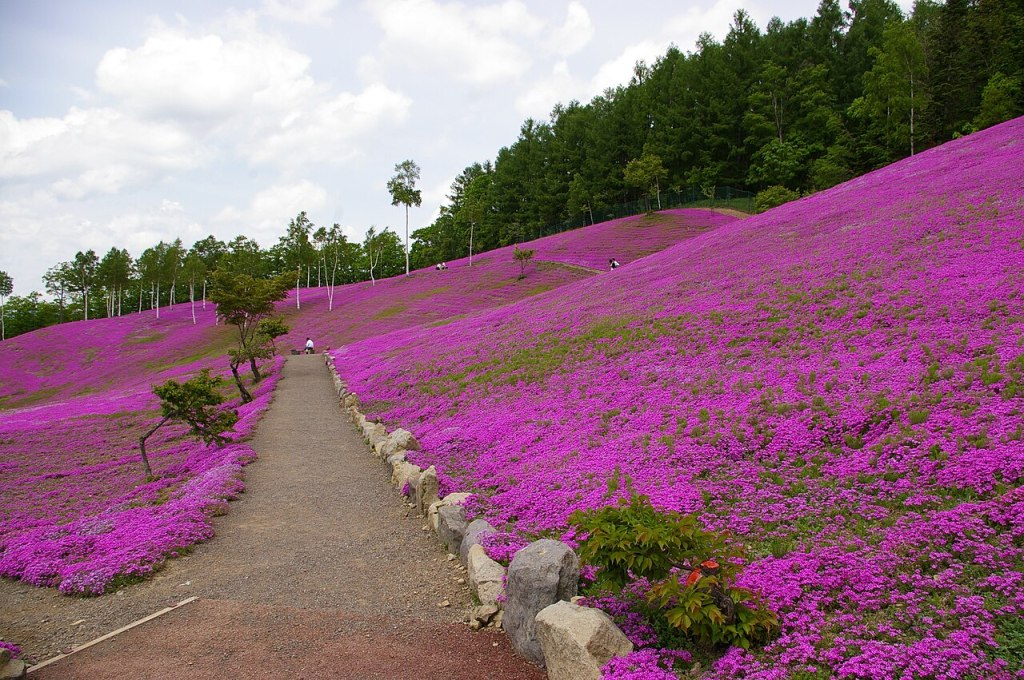
- Takinoue is a small town in the interior of northern Hokkaido, on the upper reaches of the Ishikari river, and for about four weeks a year it is one of the most photographed places on the island. The reason is moss phlox, the low creeping flower called shibazakura, which the town plants by the hundred thousand on a hillside above the river.
- The park is the centre of it. A slope above a pond is covered in pink, white and purple mats of the flower, with paths cut through, and from late May into June the whole town fills with coaches and camera tripods. It is a modern, deliberately made spectacle rather than an ancient landscape, and the town is honest about that: the flowers are planted, weeded and replaced every year.
- Outside the flower season Takinoue is a quiet logging and farming town with a hot spring, a small museum about the local railway and a view over the river valley. It is not a destination in itself, but it is a good stop between Asahikawa and the Okhotsk coast, and the onsen is cheap and local.
- The combination is what makes it work: a few weeks of colour, a small town that has decided to be known for one thing, and a part of Hokkaido that most travellers skip on the way north. If you come in season, go early in the morning before the coaches arrive.
Top places and highlights
Takinoue Park
The park is a slope above a pond, planted with moss phlox in broad bands of colour, with wooden paths and a viewing deck. It is the whole reason to come in May and June, and it is small enough to walk in half an hour. There is an admission charge in season and a car park that fills quickly.
The moss phlox season
The flowers peak from late May into mid-June, and the town publishes the state of the bloom through the season. Early morning is the best time for photographs and for avoiding the coaches, which arrive from the resorts around ten. The weather in this season is unpredictable, and a cold, wet spring delays the peak.
The Takinoue onsen
The town has a public hot spring with a simple bathhouse and a view over the river, used by locals rather than tour groups. It is cheap and unpretentious, and the water is the standard Hokkaido sodium chloride type. It is the natural way to end a day in the area.
The river and the valley
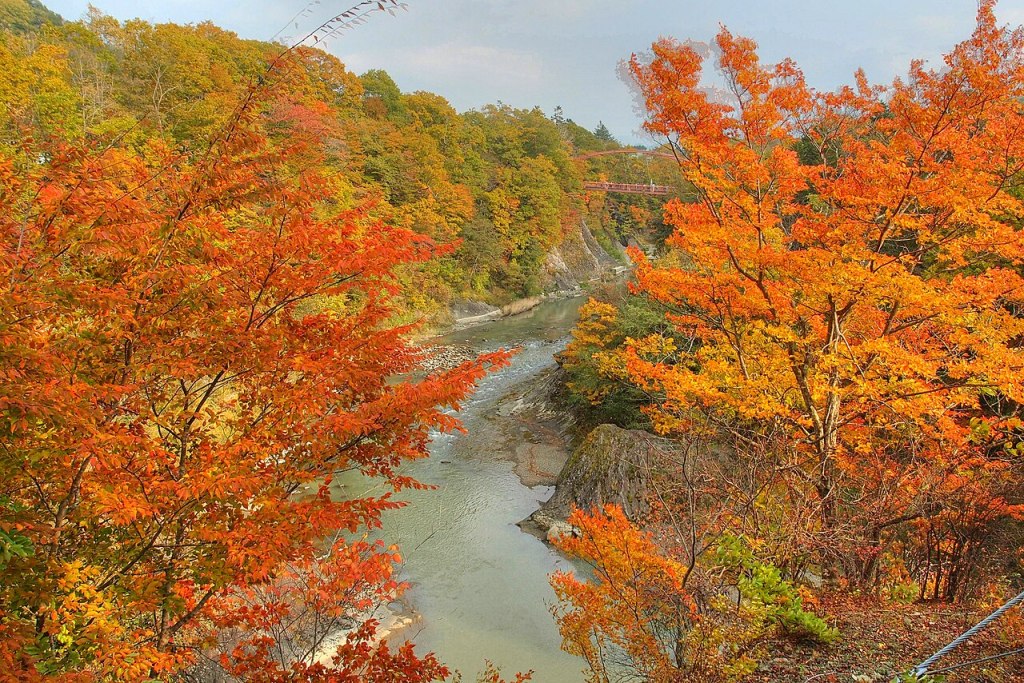
The town sits where the Ishikari river comes down from the mountains, and the valley roads follow the water through forest and farmland. The scenery is broad and empty, with the snow still on the peaks in early summer. It is a good area for a slow drive rather than a list of sights.
The local railway heritage
The town grew with the forestry and the railway, and a small museum and preserved structures recall the logging years when the valley was worked for timber. It is modest, but it explains why these interior towns exist and how the forest economy shaped them. Check the opening days, which are limited.
The Okhotsk coast
Monbetsu and the drift ice coast are within an hour and a half, and the road down from the interior crosses empty country with long views. In winter the coast is the place for the drift ice; in early summer it is a working fishing coast with a cold wind. The combination makes a natural two-day loop from Asahikawa.
The food of the interior
This is farming country, and the local restaurants serve soba, pork, dairy and vegetables rather than seafood. The portions are large and the prices are low, and the town’s few cafes open for the season. It is plain Hokkaido cooking, and it suits the cold climate.
Food and drink
- Soba and udon are the standard lunch, served in the small restaurants around the town centre.
- Pork and chicken from the surrounding farms appear in the local set meals.
- Dairy, including milk and soft ice cream, is good throughout the region.
- The town’s cafes open mainly for the flower season and close early.
- Asparagus and other spring vegetables are at their best in the same weeks as the flowers.
Getting there and around
- Takinoue is about an hour and a half by car from Asahikawa, and two and a half hours from Sapporo.
- The nearest station is on the Sekihoku line, with a bus connection into the town.
- Buses from Asahikawa run to the town but are infrequent, so check the timetable.
- In flower season the town runs extra transport and the car parks fill by mid-morning.
- A car is the practical way to see the park, the onsen and the valley in one day.
Where to stay
- A few small inns and guesthouses operate in the town, some with meals.
- The onsen has simple accommodation and is the most convenient base.
- Asahikawa and Monbetsu have the larger hotels, an hour or two away.
- Book well ahead for the flower season, when the local rooms fill.
Best time to visit
- Late May to mid-June is the moss phlox season and the only busy period.
- Summer is warm and green, with the valley at its best for driving.
- Autumn is short, with colour on the hills and clear, cold mornings.
- Winter is deep snow, closed roads and very few visitors.
Practical tips
- Arrive before nine in flower season to beat the coaches.
- Check the town’s bloom report before travelling, since the peak moves by a week or two.
- Bring a jacket even in June; northern Hokkaido is cold in the morning.
- The park charges admission in season and takes cash.
- Fuel up in Asahikawa or Monbetsu, since the interior stations are far apart.
- Combine the visit with the Okhotsk coast rather than making a special trip from Sapporo.
Suggested day-trip outline
- Early morning: the park before the coaches arrive.
- Mid-morning: the town centre and the railway museum.
- Lunch: soba in the town.
- Afternoon: the onsen, then the valley road.
- Late afternoon: the drive north towards the Okhotsk coast.
- Evening: a night in Monbetsu or back to Asahikawa.
Before you go
Timetables, fares, admission fees, and seasonal access rules can change. Check the official tourism and transport sites linked below for the latest information before you travel.
Explore More of Japan
Published guides that pair with this one:
- Tsurui Travel Guide: Red-Crowned Cranes in Eastern Hokkaido
- Wakkanai Travel Guide: Japan’s Northernmost City and Cape Soya
- Asahidake Travel Guide: Ropeway, Sugatami Pond and Japan’s Earliest Autumn
- Jozankei Onsen Travel Guide: Sapporo’s Hot Spring Valley
- Takino Suzuran Hillside Park Travel Guide: Sapporos Flower Hills
Browse every Hokkaido guide on this site for the rest of the region.
Sources
- town.takinoue.hokkaido.jp (checked 2026-11-06)
- visit-hokkaido.jp (checked 2026-11-06)


Leave a Reply