A practical English guide to Niimi in Okayama: the Ikura cave and its calcite formations, the mountain town, the local food and access from Okayama.
Operational details such as opening hours, admission fees, and train times can change. Prefer official pages and reconfirm before you travel (sources checked on 06 November 2026).
Why visit
- Niimi is a mountain town in northern Okayama, on the upper reaches of the Takahashi river, and it is one of the quietest places in the Chugoku region. It is known for a cave, a river and a landscape of forested hills, and it is a practical stop on the route between Okayama and the Sanin coast.
- The cave is the main attraction. The Ikura limestone cave runs for about a kilometre into the hill, with a river running through it, and the walls are covered with some of the largest calcite formations in Japan, in white and amber. A walkway and a boat take visitors through the chambers.
- The second is the river and the town. The Takahashi river runs through the town with a wide bed and clear water, and the old streets have a few temples, a merchant house and a bridge, along with the local food. It is a rural place, with the pace of the mountains.
- The third is the access to the mountains. The town is on the road and the railway between Okayama and Yonago, with the ski areas and the onsen of the surrounding valleys, and the drive over the pass is scenic. It is a good stop on the way to the Sanin coast and the Izumo region.
Top places and highlights
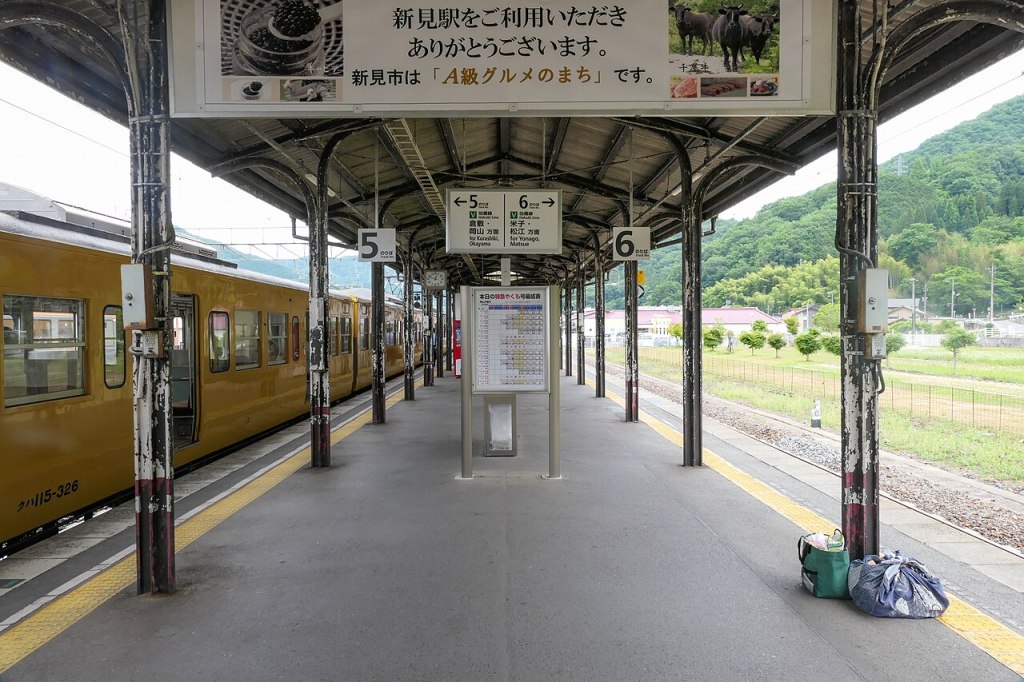
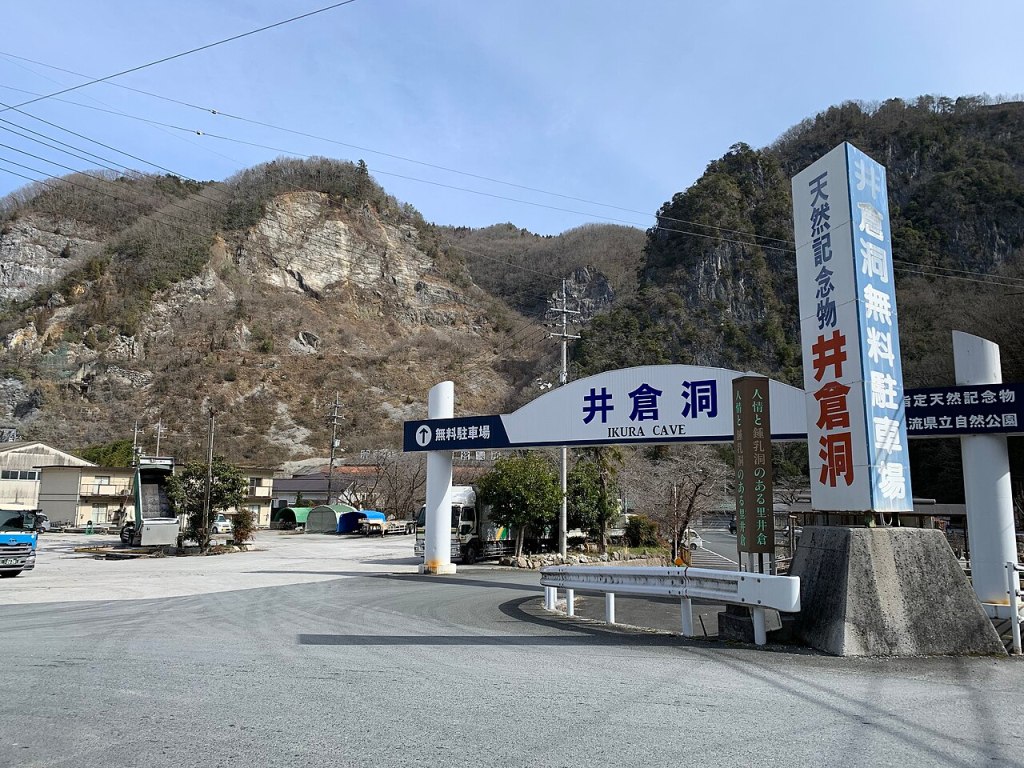
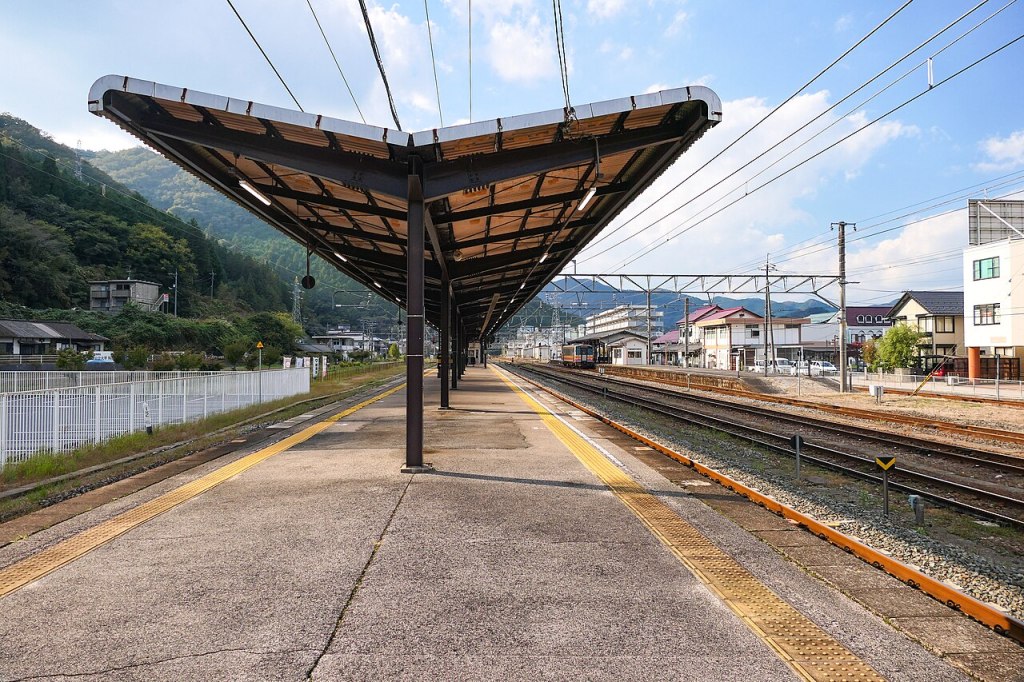
The Ikura cave
The limestone cave runs about a kilometre into the hill, with a river and some of the largest calcite formations in Japan, in white and amber, and a walkway and a boat take visitors through the chambers. It is cool inside, even in summer. The lighting is dramatic.
The calcite formations
The walls of the cave are covered with the flowstone and the crystal, in shapes that look like waterfalls and curtains, and the scale is the attraction. The formations are protected. The colours come from the minerals.
The Takahashi river
The river runs through the town with a wide bed and clear water, and the banks are used for walks and fishing. The bridges are the local landmarks. The view from the river is the shape of the town.
The old streets
The town has a few streets of old houses, temples and a merchant house, with the timber fronts and the quiet, and the walk takes under an hour. The area is lived in rather than preserved. The local sweets are sold in the shops.
The mountain roads
The roads over the passes are scenic, with the forest, the valleys and the small villages, and the drive to the Sanin coast is among the best in the region. The autumn colour is fine. The roads are narrow in places.
The onsen and the ski areas
The surrounding valleys have the onsen and the ski areas, with the simple baths and the slopes, and they are within an hour of the town. The winter is the season. The combination makes an overnight.
The local food
The restaurants serve the river fish, the soba and the local vegetables, along with the sake of the region. The food is plain and cheap. The shops sell the produce and the preserved foods.
Food and drink
- The river fish, including the ayu and the amago, is served grilled with salt.
- The soba of the region is the everyday lunch.
- The local vegetables and the mushrooms are the base of the meals.
- The sake and the shochu of the region are worth trying.
- The shops sell the preserved foods and the crafts.
Getting there and around
- Niimi is about an hour and a half from Okayama by the JR Hakubi line.
- The shinkansen stops at Okayama, with a change to the local line.
- The cave is a short drive or bus ride from the station.
- A car is the practical way to reach the cave, the valleys and the onsen.
- The expressway connects the town with Okayama and Yonago.
Where to stay
- A few small inns and guesthouses operate near the station.
- The onsen of the valleys have the larger inns.
- Okayama has the wider choice and is an hour and a half away.
- Book ahead in the autumn colour season and the winter weekends.
Best time to visit
- Spring is mild, with fresh green in the valleys.
- Summer is hot outside but cool in the cave, and the river is at its best.
- Autumn is the colour season, from late October.
- Winter is cold and snowy, with the ski areas and the onsen.
Practical tips
- The cave is cool inside; bring a jacket even in summer.
- The walkway is wet and slippery in places; wear proper shoes.
- The buses are infrequent; a car is easier.
- The roads over the passes are narrow; drive slowly.
- The restaurants are few and close early.
- Combine the visit with the Sanin coast and Izumo.
Suggested day-trip outline
- Morning: the train from Okayama to Niimi.
- Late morning: the Ikura cave.
- Lunch: soba or the river fish in the town.
- Afternoon: the river and the old streets.
- Late afternoon: the drive over the pass.
- Evening: an onsen inn, or on to Yonago.
Before you go
Timetables, fares, admission fees, and seasonal access rules can change. Check the official tourism and transport sites linked below for the latest information before you travel.
Explore More of Japan
Published guides that pair with this one:
- Okayama City Travel Guide: Momotaro, the Crow Castle and Barazushi
- Soja Travel Guide: Kibitsu Shrine and the Hina Doll Country
- Takahashi Travel Guide: Raikyu-ji Garden and the Bitchu Castle Town
- Hiruzen Highland Travel Guide: Okayama’s Plateau of Grass and Dairy
- Inujima Travel Guide: A Seto Art Island Built on Copper
Browse every Chugoku guide on this site for the rest of the region.
Sources
- okayama-kanko.jp (checked 2026-11-06)


Leave a Reply