A practical English guide to Nihonmatsu in Fukushima: the chrysanthemum doll festival, the castle site, the sake breweries and access from Fukushima city.
Operational details such as opening hours, admission fees, and train times can change. Prefer official pages and reconfirm before you travel (sources checked on 06 November 2026).
Why visit
- Nihonmatsu is a small city in the north of Fukushima prefecture, on the old road to the mountains, and it is known for one of the strangest festivals in Japan: the chrysanthemum dolls, life-sized figures built from chrysanthemum flowers and dressed in historical costumes, displayed every autumn in the grounds of the castle.
- The festival is the reason to come. The Nihonmatsu Chrysanthemum Doll Festival has been held for over a century, and the figures are made by local growers who train the flowers over wire frames, so that the heads, the hands and the costumes are all grown rather than cut. The scenes change every year, and the effect is uncanny and beautiful.
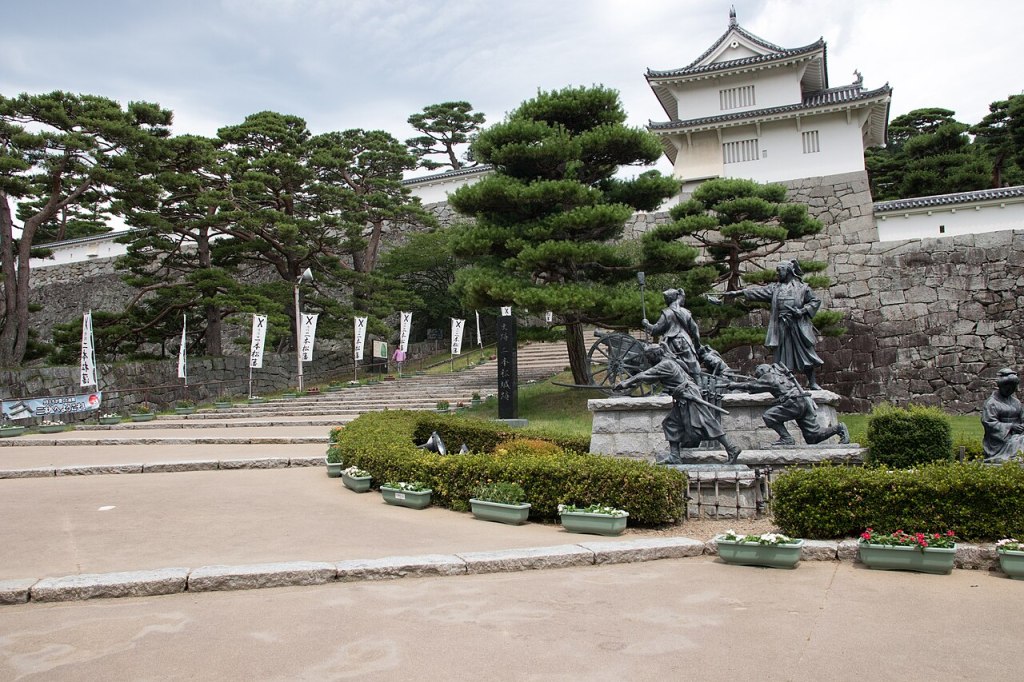
- The second attraction is the castle. The hilltop site above the town has stone walls, a gate and a park, and it was the seat of the Niwa clan, who held the area through the Edo period. The view from the top covers the town and the mountains, and the blossom in spring is one of the best displays in the region.
- The third is the town itself. Nihonmatsu was a castle town and then a silk town, and it has a few old streets, a sake brewery and a temple with a garden, along with the local food of the region. It is quiet and ordinary, and it is easily combined with the Bandai and Azuma mountains and the onsen at Dake and Adatara.
Top places and highlights
The chrysanthemum dolls
The life-sized figures are grown from chrysanthemum flowers trained over frames, with the heads, hands and costumes made of the plants, and they are displayed in the castle grounds every autumn. The scenes change each year and the craft is unique to the city. It is the main reason to visit.
Nihonmatsu castle
The hilltop site has stone walls, a reconstructed gate and a park, with a view over the town and the mountains, and the Niwa clan held it through the Edo period. The blossom in spring is one of the best in the region. The walk up takes about fifteen minutes.
The old streets
The town retains a few streets of old merchant houses and shops, with the timber fronts and the white walls of the Edo style, and the walk between them is short. The sake brewery and the temples are part of the same walk. The area is lived in rather than preserved.
The sake brewery
The city has a brewery making the local sake with the water and rice of the region, and the shop sells the bottles and offers tastings. The building is old and the process is traditional. Check the opening days.
The temples and gardens
The town has a set of old temples with gardens and a hall, quiet and rarely visited, and they are a good break from the festival crowds. The Dairinji and the surrounding precincts are the most interesting. The gardens are small and fine.
The mountain access
The city is the gateway to the Bandai and Azuma mountains and the onsen of Dake and Adatara, with the highlands, the lakes and the ski areas within an hour. The drive up is scenic. The combination makes a full day or an overnight.
The local food
The restaurants serve the soba of the region, the local vegetables and the sake, along with the sweets of the town. The food is plain and cheap. The roadside stops sell the produce of the surrounding farms.
Food and drink
- The soba of the region is served in the town’s restaurants, thick and dark.
- The local sake from the brewery is the drink to try.
- The vegetables and the rice of the surrounding farms are the base of the meals.
- The sweets shops sell the traditional confections of the castle town.
- The roadside stops serve the local produce and the simple meals.
Getting there and around
- Nihonmatsu is about twenty minutes from Fukushima city by the JR Tohoku main line.
- The shinkansen stops at Fukushima, with a change to the local line.
- The station is central, and the castle and the festival site are a short walk or bus ride away.
- A car is useful for the mountains and the onsen.
- The Tohoku expressway has an interchange near the city.
Where to stay
- A few business hotels and inns operate near the station.
- The onsen of Dake and Adatara have the larger inns and are within an hour.
- Fukushima city has the wider choice and is twenty minutes away.
- Book ahead for the autumn festival, when the town is busy.
Best time to visit
- Spring is the blossom season at the castle and the best time for the walk.
- Summer is warm, with the mountains and the highlands at their greenest.
- Autumn is the festival season, from October, and the busiest time.
- Winter is cold and quiet, with the mountains under snow.
Practical tips
- The chrysanthemum doll festival runs in October and November; check the dates.
- The castle is a park and open; the walk up is short but steep.
- The brewery and the temples keep limited hours.
- A car is the practical way to reach the mountains and the onsen.
- The festival weekends are crowded; go on a weekday if you can.
- Carry cash for the small shops and the brewery.
Suggested day-trip outline
- Morning: the train from Fukushima to Nihonmatsu.
- Late morning: the castle site and the view.
- Lunch: soba in the town.
- Afternoon: the chrysanthemum dolls at the castle.
- Late afternoon: the old streets and the brewery.
- Evening: back to Fukushima, or on to the onsen.
Before you go
Timetables, fares, admission fees, and seasonal access rules can change. Check the official tourism and transport sites linked below for the latest information before you travel.
Explore More of Japan
Published guides that pair with this one:
- Aizu-Wakamatsu Castle Travel Guide: Tsuruga Castle and the Castle Town
- Tsuruoka Travel Guide: Castle Town, Chido Museum and the Shonai Plain
- Yonezawa Travel Guide: Uesugi Country, Beef and Castle Ruins
- Aquamarine Fukushima Travel Guide: Highlights, Access, and Planning
- Aomori Nebuta Festival Guide: August Floats and Haneto
Browse every Tohoku guide on this site for the rest of the region.
Sources
- city.nihonmatsu.lg.jp (checked 2026-11-06)
- fukushima.travel (checked 2026-11-06)


Leave a Reply