A practical English guide to Mashiko in Tochigi: the pottery kilns and galleries, the Mashiko clay, the spring festival and access from Tokyo and Utsunomiya.
Operational details such as opening hours, admission fees, and train times can change. Prefer official pages and reconfirm before you travel (sources checked on 06 November 2026).
Why visit
- Mashiko is a pottery town in the countryside of Tochigi, about two hours from Tokyo and half an hour from Utsunomiya, and it is one of the best places in Japan to see a working craft rather than a preserved one. The town has hundreds of kilns and workshops, a long tradition of making everyday tableware, and a landscape of fields and woods that has not been spoiled by tourism.
- The pottery is the reason to come. Mashiko ware is a folk craft of the twentieth century, revived by the potter Shoji Hamada, who moved here in the 1920s and made it a centre of the mingei movement. The style is robust and simple, with earthy glazes and the marks of the wheel, and the town still produces the rice bowls, the plates and the teapots used across Japan.
- The second attraction is the walking. The shops and galleries are spread along the main road and the lanes, with the kilns behind the houses, and the countryside between them is rice fields, bamboo and low hills. Renting a bicycle or driving between the clusters takes a day, and the pace is slow.
- The third is the calendar. The town holds pottery fairs in spring and autumn, when hundreds of potters set up stalls along the street, and the spring fair in particular draws crowds from Tokyo. Outside the fairs the town is quiet, with the kilns working and the shops open, and it is possible to talk to the potters.
Top places and highlights
The kilns and workshops
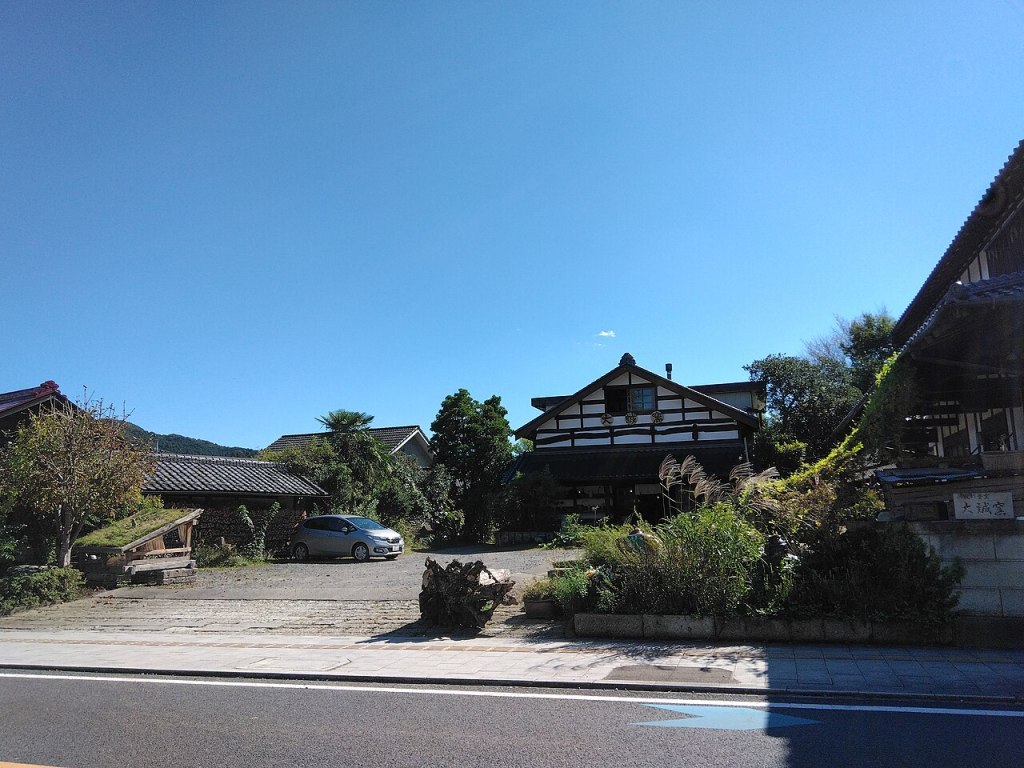
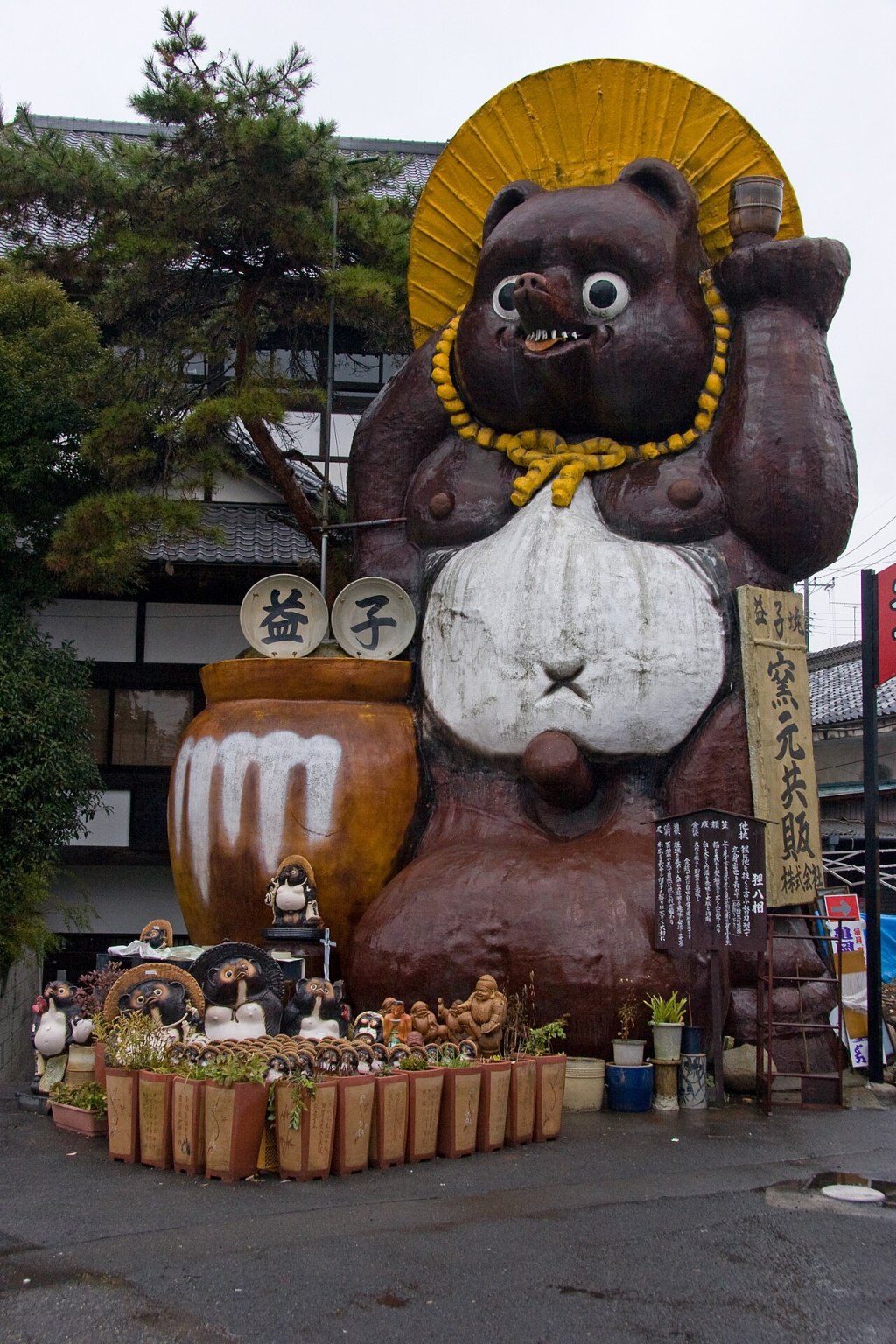
The town has hundreds of kilns, from the large climbing kilns of the established workshops to the small electric ones of individual potters, and many can be visited. The workshops behind the shops are the interesting part, with the wheels, the clay and the wood-fired chambers. Ask before entering.
The Mashiko pottery style
The local ware is robust and simple, with earthy glazes and a strong folk-craft character, developed by Shoji Hamada and the mingei movement in the twentieth century. The shops sell the everyday bowls and plates as well as the exhibition pieces. Prices range from cheap to serious.
The reference museum
The town has a museum of the local craft, with the work of Hamada and the history of the kilns, along with the tools and the clay. It explains why the town became a centre and how the ware is made. It is a good first stop before the shops.
The spring and autumn fairs
The pottery fairs bring hundreds of stalls to the town, with the potters selling directly and the streets crowded, and they are the best time to buy. The spring fair is in early May and the autumn one in early November. Accommodation fills up, so book ahead.
The countryside lanes
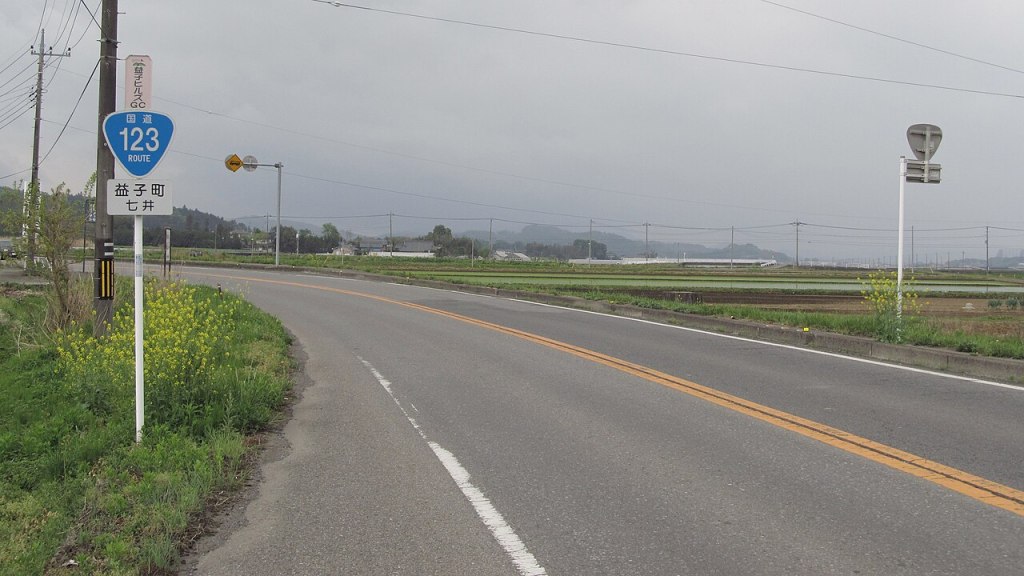
The lanes between the kiln clusters run through rice fields, bamboo groves and low hills, and the walk or cycle is quiet and scenic. The area has a few temples and shrines and a lot of small studios. It is the reason to stay a full day rather than an hour.
The local food
The town has cafes and restaurants in converted houses and old shops, serving the local vegetables, the soba and the sweets, often on the pottery made in the town. The food is simple and good. The bakeries and coffee shops are the local favourites.
The nearby sights
The town is within reach of Utsunomiya, Mooka and the Ashikaga area, with its temples and its flower park, and the pottery villages of the surrounding countryside. It fits into a loop of southern Tochigi. The railway line connects through Mooka to the shinkansen.
Food and drink
- The cafes and restaurants often serve on the local pottery, which is part of the pleasure.
- The local vegetables, the soba and the rice are the basis of the menus.
- The bakeries and coffee shops are good and cheap.
- The shops sell the local miso, the pickles and the sweets.
- The spring fair has food stalls along the street.
Getting there and around
- Mashiko is about two hours from Tokyo by train and bus, with a change at Mooka.
- The Mooka railway connects to the shinkansen at Utsunomiya.
- A car is the easiest way to reach the kilns and the countryside, and parking is available.
- The town centre is walkable, but the kilns and galleries are spread over a few kilometres.
- Bicycle rental is available in the town and is the best way to see the lanes.
Where to stay
- A few guesthouses and inns operate in the town and the countryside.
- Utsunomiya has the larger hotels and is half an hour away.
- The farmhouse stays in the area offer meals and a quiet night.
- Book well ahead for the spring and autumn pottery fairs.
Best time to visit
- Spring is the best season, with the pottery fair and the fresh green.
- Summer is hot and humid, with the fields at their greenest.
- Autumn is clear and cool, with the second fair and the rice harvest.
- Winter is cold and quiet, with the kilns working and few visitors.
Practical tips
- The kilns are working sites; ask before entering and do not touch the ware.
- The fairs are extremely crowded; use the shuttle buses and go early.
- The shops close early; plan the day around lunch.
- A bicycle is the best way to cover the spread-out kilns.
- Cash is useful in the smaller studios.
- Shipping is available for the larger pieces; ask the shop.
Suggested day-trip outline
- Morning: the reference museum and the main street.
- Late morning: the kilns and the workshops.
- Lunch: a cafe in a converted house.
- Afternoon: the countryside lanes by bicycle.
- Late afternoon: the galleries and the shops.
- Evening: back to Utsunomiya or Tokyo.
Before you go
Timetables, fares, admission fees, and seasonal access rules can change. Check the official tourism and transport sites linked below for the latest information before you travel.
Explore More of Japan
Published guides that pair with this one:
- Nasu Highland Travel Guide: Onsen, Farms and the Emperor’s Summer Retreat
- Ashikaga Flower Park Guide: The Wisteria Tunnels and When to Go
- Ikebukuro Travel Guide: The Other Big Tokyo Station District
- Kichijoji Travel Guide: Inokashira Park and Harmonica Alley
- Minamiboso and Tateyama Travel Guide: The Boso Coast and Its Flowers
Browse every Kanto guide on this site for the rest of the region.
Sources
- town.mashiko.tochigi.jp (checked 2026-11-06)
- japan.travel (checked 2026-11-06)


Leave a Reply