A practical English guide to Muroran in Hokkaido: Cape Chikyu and its lighthouse, the factory night view, the Muroran yakitori and access from Sapporo and Hakodate.
Operational details such as opening hours, admission fees, and train times can change. Prefer official pages and reconfirm before you travel (sources checked on 06 November 2026).
Why visit
- Muroran is an industrial port at the mouth of the bay in western Hokkaido, about an hour and a half from Sapporo by train, and it is not a conventional tourist town. It is a steel and cement city, with blast furnaces on the waterfront and a working harbour, and its two attractions come straight out of that character: a cape with a lighthouse on the Pacific, and the night view of the factories across the water.
- Cape Chikyu is the eastern headland of the bay, a grassy promontory with a white lighthouse and a view along the cliffs to the open sea. In spring the slopes are covered with the tiny pink flowers of the ezokanzou, and the walk along the cliff path takes about half an hour. On clear days the curve of the earth is visible from the headland, and the sunset is the best time.
- The factory night view is the second reason. From the hills above the bay and from the waterfront, the steelworks, the tanks and the chimneys are lit at night in a grid of orange and white, and the reflection on the water makes it one of the odd industrial spectacles of Japan. The view from the Cape Chikyu area and the hillside parks is the classic spot, and the city runs night cruises in some seasons.
- The third is the food. Muroran is the birthplace of Muroran yakitori, a skewer of pork and onion seasoned with salt and pepper rather than the sweet tare sauce of the rest of Japan, and the small shops around the station serve it with beer. The port also lands fish, and the sushi and the seafood bowls are good and cheap.
Top places and highlights
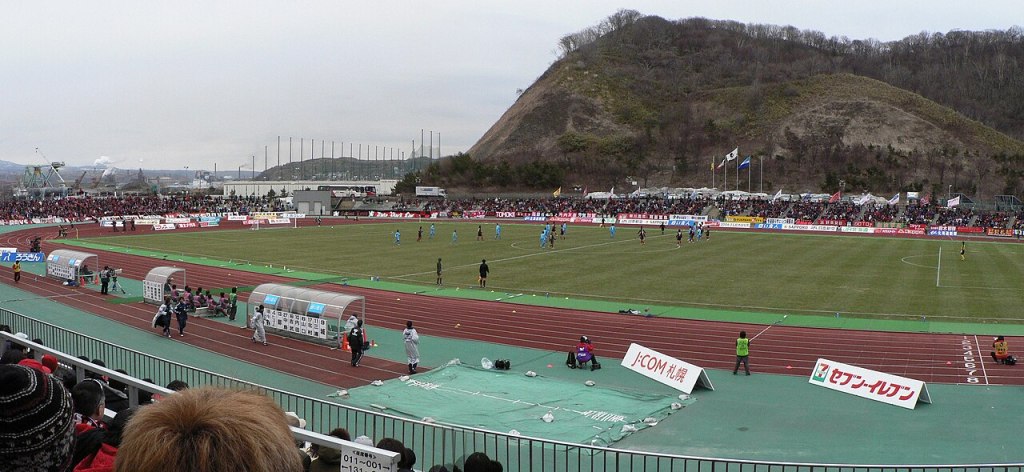
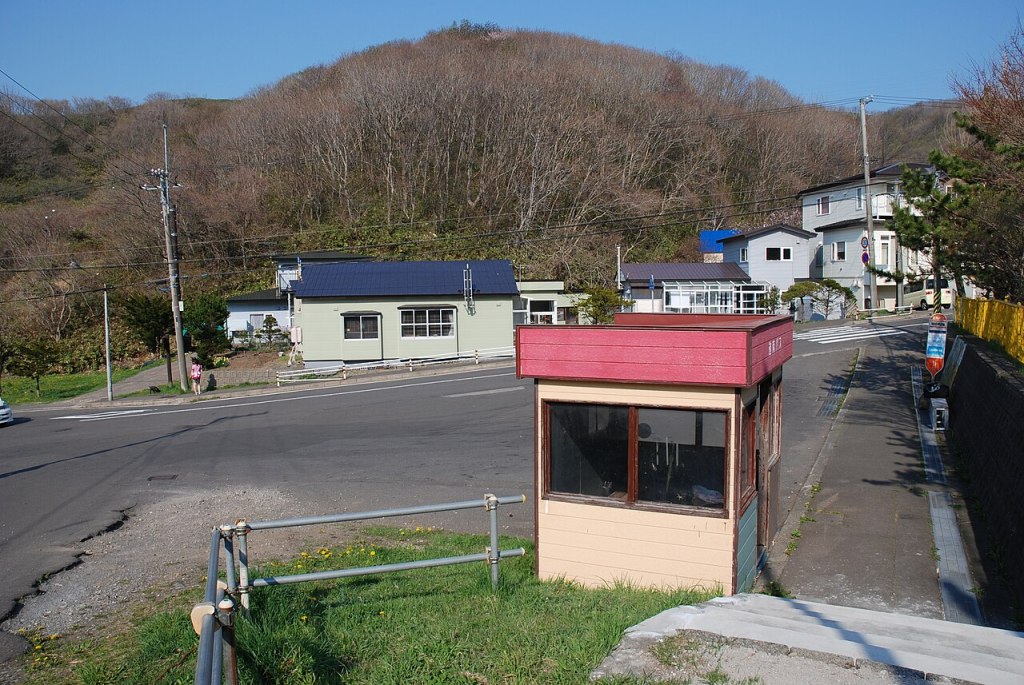
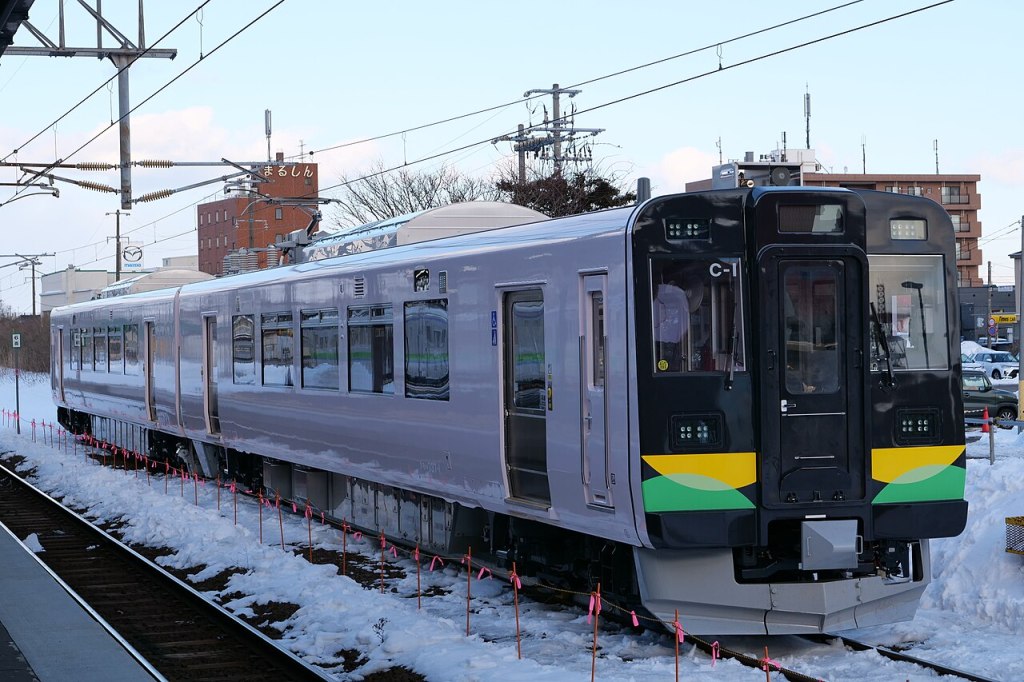
Cape Chikyu
The grassy headland has a white lighthouse, a cliff path and a view along the coast to the Pacific, with the bay behind. The ezokanzou flowers in spring cover the slopes, and the sunset over the sea is the best time. There is a car park and a small shop at the top.
The factory night view
The steelworks and the port are lit through the night, and the view from the hills and the waterfront is a grid of lights reflected on the water. The city promotes it as a sight, with viewing spots and occasional cruises. It is best after dark on a clear night.
Muroran yakitori
The local skewer is pork and onion, grilled and seasoned with salt and pepper instead of the usual sweet sauce, and the shops around the station serve it cheaply with beer. It is the city’s signature dish and a good reason to stay for dinner. Portions are small, so order several.
The port and the market
The harbour is working, with fishing boats and the ferry terminal, and the morning market sells the catch. The fish from the bay and the Pacific is the local food, and the restaurants around the port serve it plainly. The walk along the waterfront gives the industrial panorama.
The hillside parks
The parks above the city have views over the bay, the factories and the mountains, and they are quiet and local. They are the best places for the night view and for the cherry blossom in spring. The paths are short and the access is by car or taxi.
The Etomo and Irie districts
The old fishing districts around the bay have small shrines, narrow lanes and a few houses from the herring trade, and they are quiet and unpolished. The walk between them follows the shore. They give the city’s older layer, before the steelworks.
The access to the onsen
The surrounding area has hot springs, including the inns at the coast and the larger resorts of Noboribetsu and Toya within an hour, which makes Muroran a practical stop on a western Hokkaido loop. The city itself has a public bath. The combination is useful in winter.
Food and drink
- Muroran yakitori, pork and onion seasoned with salt and pepper, is the local speciality.
- The fish of the bay and the Pacific is served at the port restaurants and the market.
- The sushi and the seafood bowls are good value for a port city.
- The ramen shops around the station serve the Sapporo-style noodles.
- The local sweets and the dairy of the region are sold at the station shops.
Getting there and around
- Muroran is about an hour and a half from Sapporo by the JR Muroran main line.
- Hakodate is about two hours away by train, and the express buses are faster on some routes.
- The Cape Chikyu area is a bus or taxi ride from the station, and the service is limited.
- A car is the practical way to reach the cape, the hills and the night view spots.
- The ferry terminal connects the city with the ports of Honshu.
Where to stay
- Business hotels near the station are the practical choice.
- A few inns near the cape and the coast have sea views.
- Noboribetsu and Toya have the onsen resorts and are within an hour.
- Book ahead in the ezokanzou season and around the summer festivals.
Best time to visit
- Spring is the ezokanzou season, with the cape covered in pink from late April.
- Summer is cool and green, the best season for the cape and the coast.
- Autumn is clear and cool, with good conditions for the night view.
- Winter is cold and windy, with snow on the city and the factories steaming.
Practical tips
- The cape is exposed and windy; bring a jacket even in summer.
- The night view needs a clear night and a car or taxi to the viewing spots.
- The yakitori shops are small and fill up; go early in the evening.
- The buses to the cape are infrequent; check the return times.
- The industrial areas are working sites; do not enter them.
- Combine the visit with Noboribetsu or Toya on the same line.
Suggested day-trip outline
- Morning: the train from Sapporo or Hakodate to Muroran.
- Late morning: the port and the morning market.
- Lunch: a seafood bowl near the harbour.
- Afternoon: Cape Chikyu and the cliff path.
- Late afternoon: the hillside parks and the view over the bay.
- Evening: Muroran yakitori, then the factory night view.
Before you go
Timetables, fares, admission fees, and seasonal access rules can change. Check the official tourism and transport sites linked below for the latest information before you travel.
Explore More of Japan
Published guides that pair with this one:
- Kitami Travel Guide: Mint, Onions and the Onneyu Hot Springs
- Sapporo Travel Guide: Food, Parks, and a Hokkaido Base
- Wakkanai Travel Guide: Japan’s Northernmost City and Cape Soya
- Shakotan Peninsula and Cape Kamui: Hokkaido’s Clear-Water Coast
- Cape Soya Travel Guide: Japan’s Northernmost Point
Browse every Hokkaido guide on this site for the rest of the region.
Sources
- city.muroran.lg.jp (checked 2026-11-06)
- visit-hokkaido.jp (checked 2026-11-06)


Leave a Reply