A practical English guide to Tsuruoka in Yamagata: Tsuruoka Park and the castle site, the Chido Museum, the Shonai food culture and access by the Uetsu line.
Operational details such as opening hours, admission fees, and train times can change. Prefer official pages and reconfirm before you travel (sources checked on 06 November 2026).
Why visit
- Tsuruoka is the castle town of the Shonai plain in northern Yamagata, at the point where the Mogami river reaches the sea and the Dewa mountains rise to the east. It is a town of about 120,000 people with a strong, self-contained culture, and it is the gateway to the three mountains of Dewa.
- The Sakai clan ruled Shonai for most of the Edo period, and their legacy is the park on the castle site, the museum built around the family collection, and a set of civic buildings from the Meiji period that survived because the town was never bombed. The Chido Museum is the best single place to understand the place: a garden, a Meiji villa, a former police station and the Sakai family’s objects in one compound.
- Shonai is also a serious food region. The rice is some of the best in Japan, the edamame called dadacha-mame is sweet enough to be a dessert, and the local sake, soba and seafood from the Japan Sea coast are all strong. The town has kept its food culture without turning it into a theme.
- Tsuruoka is quiet and spread out, and it rewards a slow visit. The park, the museum and a couple of streets of old buildings are within walking distance, and the mountains, the coast and the hot springs are within an hour by car.
Top places and highlights
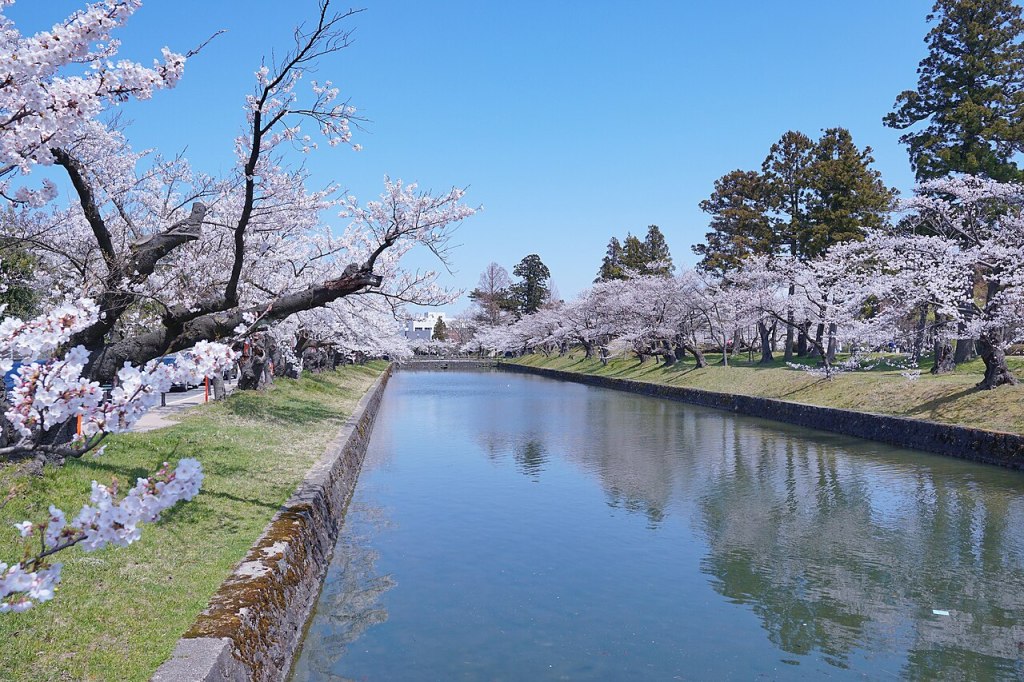
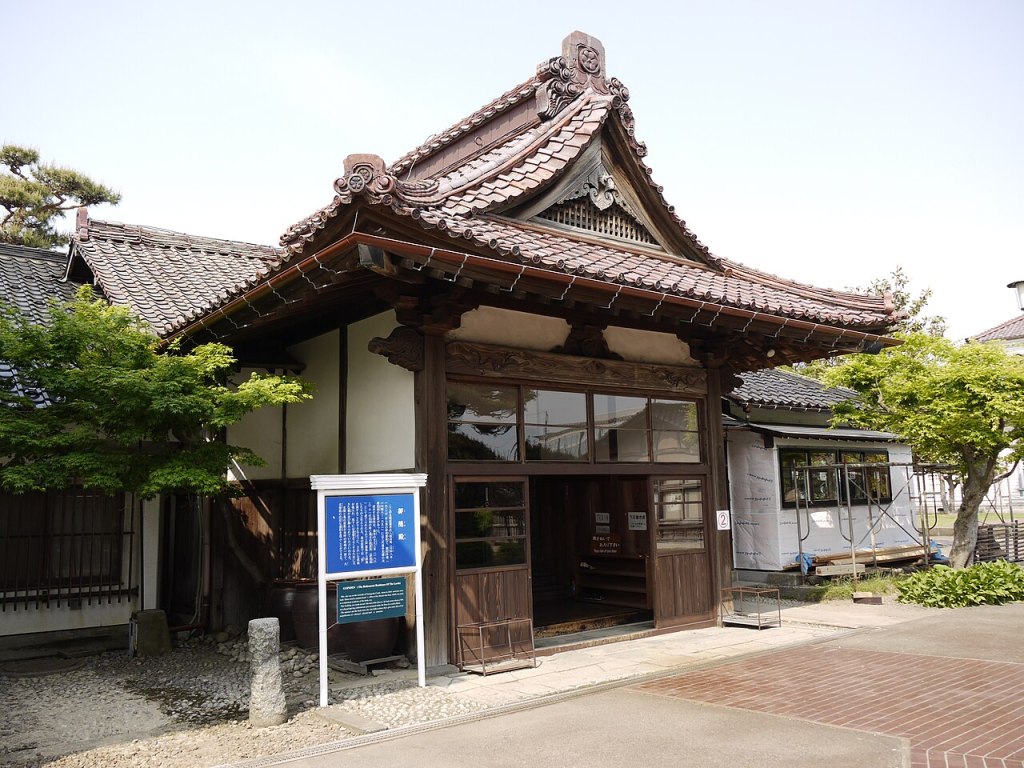
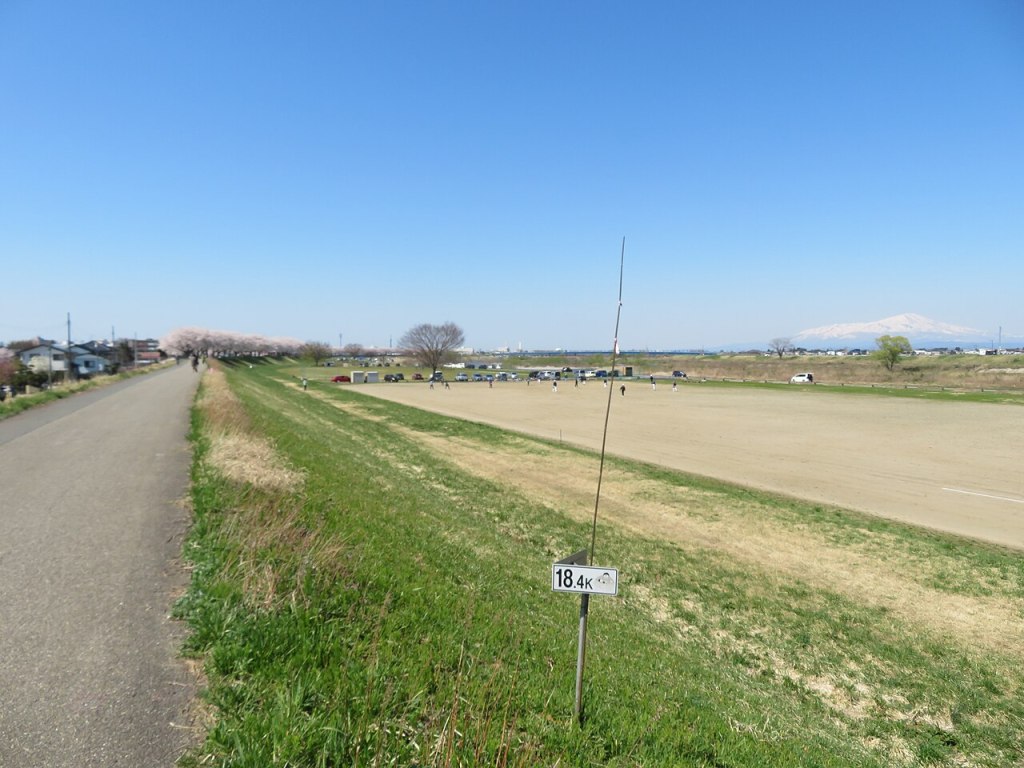
Tsuruoka Park
The park occupies the castle site, with the moats, stone walls and a few surviving structures, and it is the town’s blossom ground in April. The cedar avenue and the old government buildings at its edge give it more character than the usual municipal park. It is free and open, and locals use it through the day.
The Chido Museum
The museum brings together several buildings on one site: a Meiji-era villa, a garden, a former police station and a storehouse, filled with the Sakai family’s collection of art, craft and everyday objects. It is the best introduction to Shonai’s history and taste, and the garden alone justifies the visit. Allow an hour and a half.
The old samurai quarter
The streets east of the park hold the remains of the samurai residential district, with white walls, gates and a few preserved houses. It is not a reconstructed theme district, and several of the houses are still lived in. The Chidokan, the domain school, is nearby and can be visited.
The Shonai food
Dadacha-mame, the local edamame, is sweet and nutty and is eaten as a snack with beer in summer. The rice is premium, the soba is made with local buckwheat, and the Japan Sea coast supplies fish, crab and oysters in season. The restaurants are small and inexpensive, and the local sake is excellent.
The gateway to Dewa Sanzan
The three mountains of Dewa are an hour east, and Tsuruoka is where the pilgrimage route begins. The bus and the road to Haguro go from the town, and the mountain’s cedar stair and shrine are one of the great sights of Tohoku. It deserves its own day, but the town is where you start and sleep.
The Shonai plain and Mount Chokai
The plain stretches west to the sea with Mount Chokai standing over it, and the views from the town and the surrounding roads are dominated by the mountain. In winter it is white and the plain is grey; in summer the rice is green to the horizon. It is the landscape that produced the food culture.
The coast and the hot springs
The Japan Sea coast is twenty minutes west, with fishing ports, a rough shoreline and the mountain dropping into the water further north. The hot spring areas at Atsumi and Yunohama are within reach, and they make a good evening after a day in the town. The winter crab season is the local event.
Food and drink
- Dadacha-mame edamame is the local speciality, sweet and eaten as a snack in summer.
- Shonai rice is among the best in Japan, and the local sake is made from it.
- The Japan Sea coast supplies fish, crab in winter and oysters, served plainly in the port restaurants.
- Soba is made with local buckwheat and served cold with a dipping sauce.
- The town’s sweet shops sell rice cakes and bean confections that have been made for generations.
Getting there and around
- Tsuruoka is on the JR Uetsu line, about two hours from Niigata and an hour and a half from Akita.
- From Yamagata city the journey is by train to Aterazawa and then the Uetsu line, or by car over the mountains.
- The shinkansen reaches Shonai airport and Tsuruoka is a short bus ride from there.
- The park, the museum and the old quarter are walkable from the station, though the town is spread out.
- A car is useful for Dewa Sanzan, the coast and the hot springs, and rentals are available near the station.
Where to stay
- Business hotels near the station are the practical choice, with a few larger hotels in the centre.
- The hot spring areas at Yunohama and Atsumi have traditional inns with meals and sea views.
- Temple lodgings on Dewa Sanzan are the traditional option for the pilgrimage.
- Book ahead in cherry blossom season and during the winter crab season.
Best time to visit
- April is cherry blossom in Tsuruoka Park, the busiest week of the year.
- Summer is warm and humid, with dadacha-mame and the mountain pilgrimage season.
- Autumn is clear and cool, with rice harvest and colour on the mountains.
- Winter is snowy and cold, with crab season and the mountains under deep snow.
Practical tips
- Check the Chido Museum’s closed days before planning the day around it.
- The park and the old quarter are free; the museum charges admission.
- Dewa Sanzan needs a full day and its own transport planning; do not try to combine it with the town.
- The restaurants are small and close early, so eat before the evening.
- Carry cash for the smaller shops and the market stalls.
- Bring warm clothes from November; the wind off the plain is cold.
Suggested day-trip outline
- Morning: arrive at Tsuruoka and walk to the park.
- Mid-morning: the castle site and the old samurai quarter.
- Late morning: the Chido Museum.
- Lunch: local soba or a seafood bowl in the centre.
- Afternoon: the Shonai plain and a drive towards the coast or the mountains.
- Evening: a hot spring at Yunohama, or dinner in the town.
Before you go
Timetables, fares, admission fees, and seasonal access rules can change. Check the official tourism and transport sites linked below for the latest information before you travel.
Explore More of Japan
Published guides that pair with this one:
- Yonezawa Travel Guide: Uesugi Country, Beef and Castle Ruins
- Yamagata City Travel Guide: Bunshokan, Kajo Park and the Fruit Road
- Aizu-Wakamatsu Castle Travel Guide: Tsuruga Castle and the Castle Town
- Dewa Sanzan Travel Guide: Haguro, Gassan, and Yudono
- Ginzan Onsen Travel Guide: Historic Hot-Spring Town in Yamagata
Browse every Tohoku guide on this site for the rest of the region.
Sources
- city.tsuruoka.lg.jp (checked 2026-11-06)
- yamagatakanko.com (checked 2026-11-06)


Leave a Reply