A practical English guide to Tamba-Sasayama in Hyogo: the castle ruins, the dekancho old streets, the Tamba pottery and black bean food, an hour from Osaka.
Operational details such as opening hours, admission fees, and train times can change. Prefer official pages and reconfirm before you travel (sources checked on 06 November 2026).
Why visit
- Tamba-Sasayama is a small city in the hills of eastern Hyogo, about an hour from Osaka and Kyoto, and it has kept the shape of a castle town: a grid of old streets below a castle mound, with temples, merchant houses and a market street that still works.
- The castle was built by Tokugawa Ieyasu’s order in 1609 and demolished in the Meiji period, so only the stone base and the moat remain, but the site has been turned into a park and a small museum and it gives the town its axis. The streets below, the dekancho, are lined with white-walled houses, sake shops and cafes, and several are open to visitors.
- The town is also a pottery centre. Tamba ware is one of the six old kilns of Japan, and the climbing kilns in the hills around the city are still in use, with studios that sell and sometimes demonstrate. The Tamba Traditional Art Craft Park displays the work, and the kiln villages are a short drive away.
- The food is the third strand: black beans, grown in the cool hills and eaten as a New Year luxury, along with Tamba chestnuts, game and the local sake. The restaurants are small and the prices are low, and the town is quiet enough that you can walk the streets without a plan.
Top places and highlights
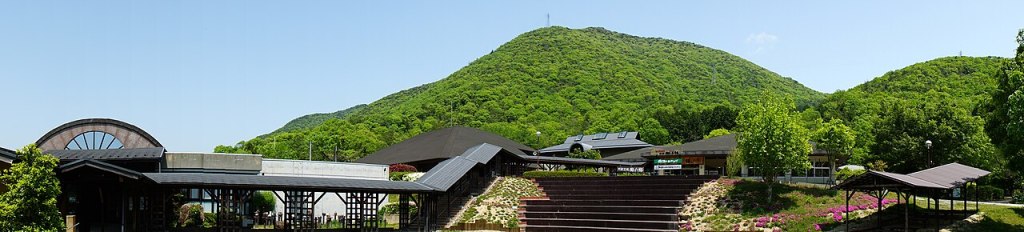
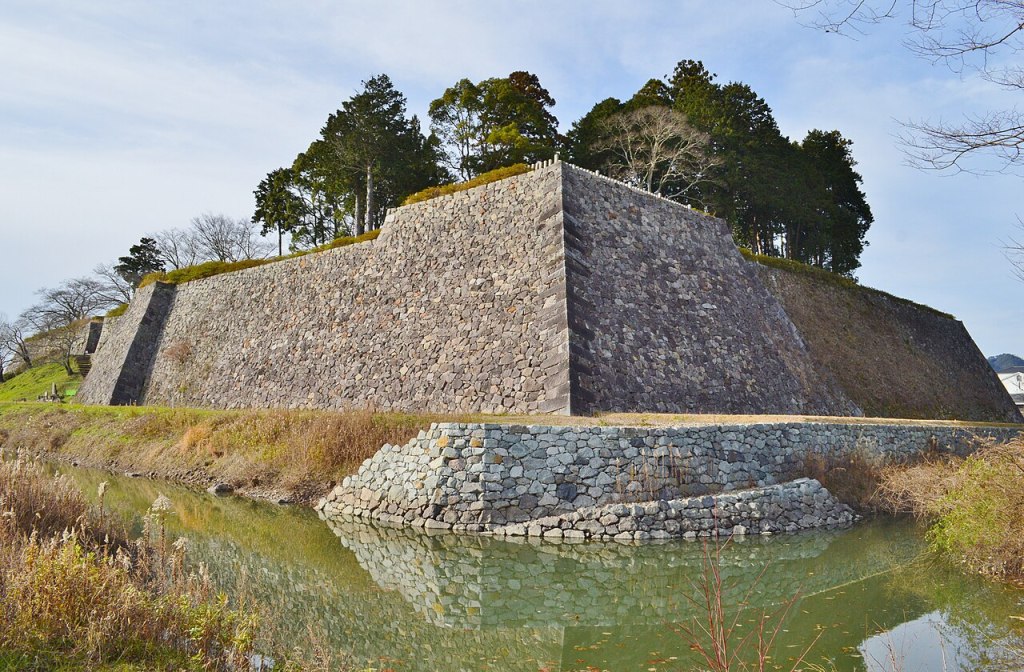
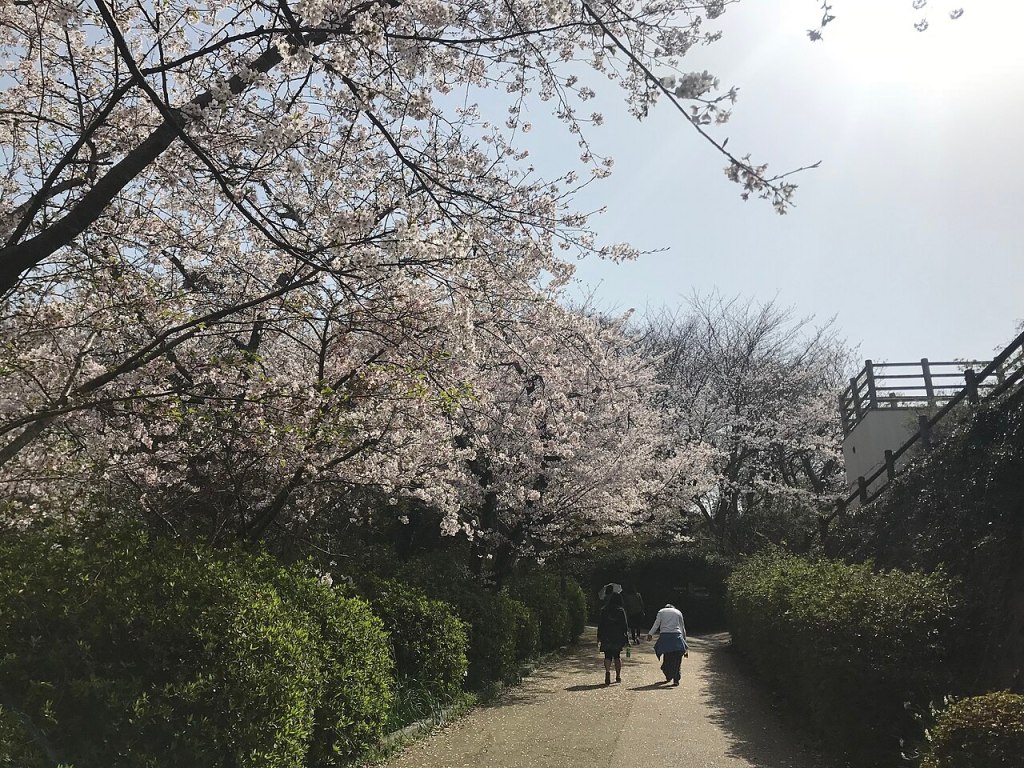
Sasayama Castle ruins
The castle was destroyed but the stone base, the wide moat and the layout remain, and the site is now a park with a small museum and a view over the town. The walls are built in the distinctive style of the early Edo period, with sloping faces and large corner stones. It is free to walk and the museum charges a small fee.
The dekancho old streets
The merchant quarter below the castle has rows of white-walled houses with wooden lattices, sake shops with sugidama hanging outside, and a few cafes in converted buildings. It is a working district rather than a preserved museum, and people live there. The walk takes an hour at a slow pace.
The Tamba pottery kilns
Tamba ware is a dark, ash-glazed stoneware made in climbing kilns in the hills, and the tradition goes back to the medieval period. Several kilns and studios are open to visitors, with wood-fired work for sale. The craft park in the city is the easiest introduction if you do not have a car.
The old sake breweries
The town has breweries with wooden buildings and cedar balls at the door, and some offer tastings in season. The water from the surrounding hills is good, and the local sake is soft and dry. The shops sell bottles that do not travel far.
The temples and the hills
The town has a ring of temples around the castle mound, with quiet grounds and old trees, and the hills behind are covered in forest and walking paths. The circumference of the castle site is a popular walk in spring, when the blossom opens. It is a calm, green edge to a small town.
The local food
Black beans are the local luxury, sold boiled and sweetened, and Tamba chestnuts are famous across Japan. The restaurants serve soba, game and set meals with local vegetables, and several cafes specialise in bean sweets. The food is simple and the portions are generous.
The surrounding countryside
The city sits in a basin of rice fields and low mountains, with the Tamba plateau beyond, and the roads out of town climb through forest and small villages. It is good cycling country, and the rural landscape is the reason the food and the pottery exist. A car or a bicycle makes the difference.
Food and drink
- Tamba black beans are the local speciality, sold boiled and sweetened and eaten at New Year.
- Tamba chestnuts are famous, and the sweets shops use them in cakes and rice confections.
- The local sake is soft and dry, and the breweries sell bottles at the door.
- Soba and game dishes appear on the restaurant menus in the old streets.
- The cafes in converted merchant houses serve bean sweets and local tea.
Getting there and around
- Tamba-Sasayama is about an hour from Osaka and Kyoto by the JR Takarazuka and Fukuchiyama lines, with a change.
- The station is a twenty-minute walk from the castle and the old streets, or a short bus ride.
- The expressway interchange is close, and a car is convenient for the kiln villages.
- Local buses run to the pottery villages but are infrequent, so check the timetable.
- The town is compact and walkable once you reach the centre.
Where to stay
- A handful of small inns and guesthouses operate in the old streets and around the station.
- Business hotels in the surrounding cities are the practical alternative.
- A few renovated machiya offer self-catering stays.
- Book ahead in spring and autumn, when the town is popular with domestic travellers.
Best time to visit
- Spring is the blossom season, with the castle park at its best.
- Summer is green and quiet, with the hills at their fullest.
- Autumn is the best season, with clear air, chestnuts and colour on the hills.
- Winter is cold and quiet, with black beans and the old streets at their calmest.
Practical tips
- The castle museum is small and closed on some weekdays; check before planning around it.
- The pottery villages need a car or a long bus ride; the craft park is the easy alternative.
- Many shops close on Wednesdays, so avoid that day if you want the old streets.
- Cash is needed at the kilns and the small restaurants.
- The town is a good half-day from Osaka or Kyoto, and an easy overnight.
- Buy black beans and chestnut sweets at the station shops before leaving.
Suggested day-trip outline
- Morning: the castle ruins and the museum.
- Late morning: the dekancho old streets and the sake shops.
- Lunch: soba or a set meal in a converted merchant house.
- Afternoon: the craft park and a pottery studio.
- Late afternoon: the temple walk around the castle mound.
- Evening: back to Osaka or Kyoto, or a night in a machiya.
Before you go
Timetables, fares, admission fees, and seasonal access rules can change. Check the official tourism and transport sites linked below for the latest information before you travel.
Explore More of Japan
Published guides that pair with this one:
- Takeda Castle Ruins Travel Guide: The Castle in the Sky
- Himeji Castle Travel Guide: The White National Treasure Keep
- Wakayama City Travel Guide: Castle, Yosuien and Wakanoura
- Awaji Island Guide: Bridges, Flowers and the Naruto Strait
- Kobe Travel Guide: Beef, the Port and the Hills Above the Bay
Browse every Kansai guide on this site for the rest of the region.
Sources
- city.tambasasayama.lg.jp (checked 2026-11-06)
- hyogo-tourism.jp (checked 2026-11-06)


Leave a Reply