A practical English guide to Wakayama city: the castle and its Kishu Tokugawa museum, the Yosuien garden, Kimii-dera, the Wakanoura coast and access from Osaka.
Operational details such as opening hours, admission fees, and train times can change. Prefer official pages and reconfirm before you travel (sources checked on 06 November 2026).
Why visit
- Wakayama is the capital of the prefecture of the same name, at the mouth of the Kinokawa river where it meets the sea, and it is one of the least visited of the Kansai cities. That is odd, because it has a fine castle, a Kishu Tokugawa museum, a Meiji garden on the coast and a temple on a hill, all within a short bus ride of the station.
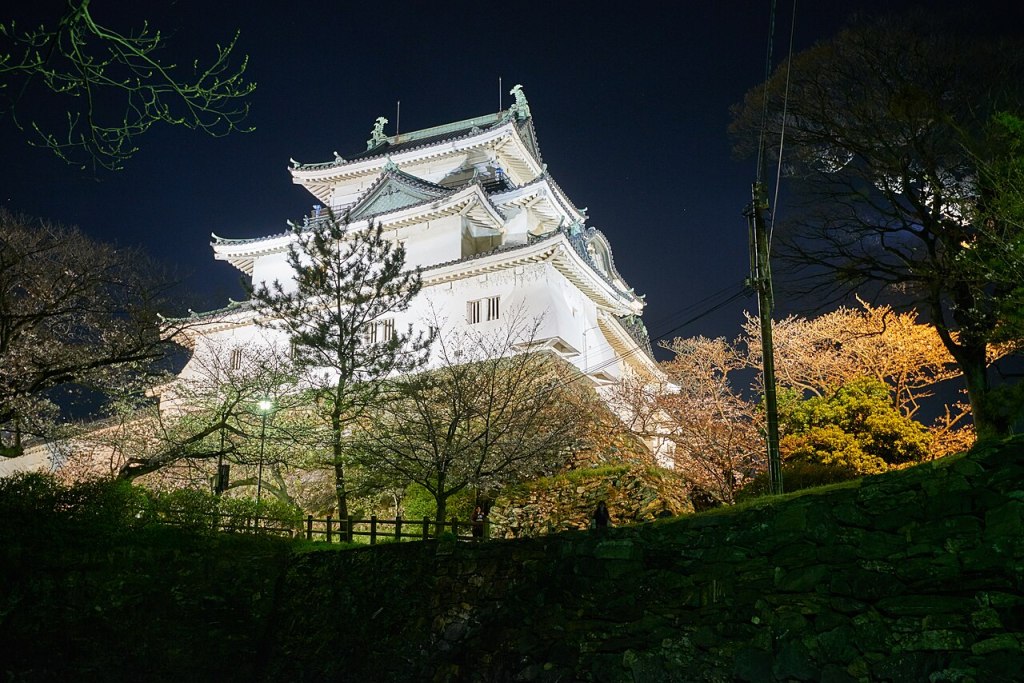
- The castle is the symbol: a black and white keep on a mound above the city, surrounded by a wide moat and stone walls, and it is one of the better reconstructions in the region. Inside, the museum covers the Kishu Tokugawa, the branch of the shogun’s family that ruled this domain and produced the eighth shogun.
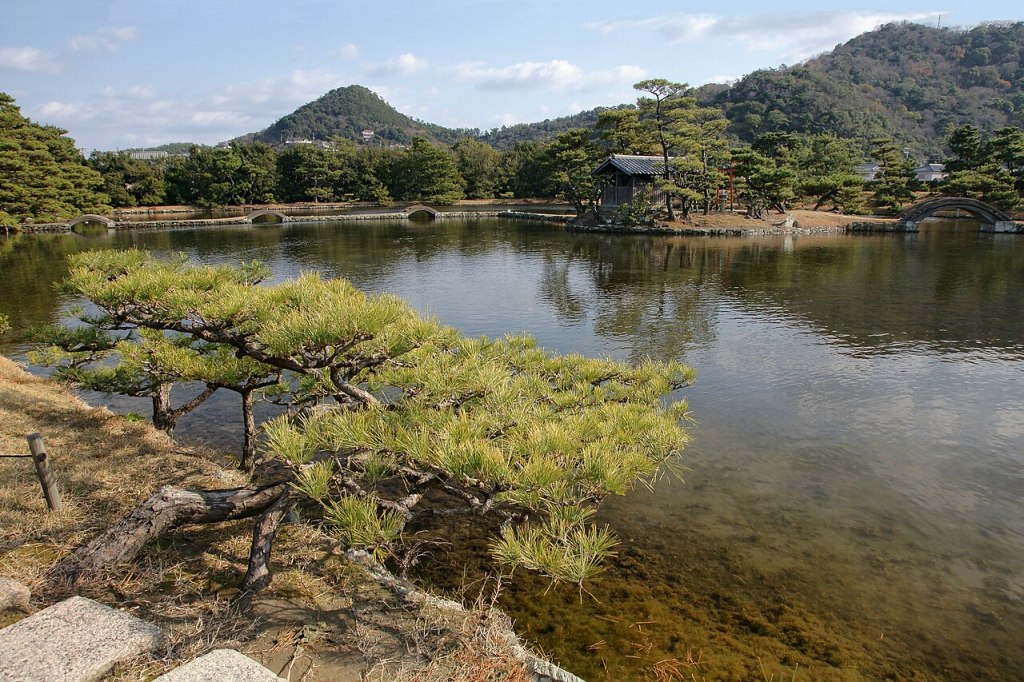
- The Yosuien is the other reason to come. It is a garden built in the Meiji period by a local merchant family, with a pond, pine trees, a tea house and a view over the sea, and it is a quiet, beautiful place that few travellers reach. It is a short bus ride from the castle, near the coast.
- The third strand is the coast at Wakanoura, a bay of islands and pine-covered hills that has been celebrated in poetry since the Nara period. Kimii-dera, the temple on the hill above it, has a view over the bay and is temple two of the Saigoku pilgrimage. Together they make a full day that is unlike the standard Kansai itinerary.
Top places and highlights
Wakayama Castle
The castle stands on a mound in the centre of the city, with a wide moat, thick stone walls and a reconstructed keep painted black and white. The keep has a museum inside with a view from the top, and the grounds hold a garden and a few surviving structures. It is one of the best castle sites in Kansai and rarely crowded.
The Kishu Tokugawa museum
The museum beside the castle holds the collection of the Kishu Tokugawa family, the branch that ruled Wakayama and supplied the eighth shogun, Yoshimune. The objects include armour, lacquer and documents, and the displays explain how a cadet branch of the shogunal family ran a large domain. It gives the castle its context.
The Yosuien garden
The garden was laid out in the Meiji period by a merchant family, with a large pond, pine trees trained over the water, tea houses and a view towards the sea. It is a strolling garden on a generous scale, and it is quiet even on weekends. There is a small admission charge and a tea house serving matcha.
Kimii-dera
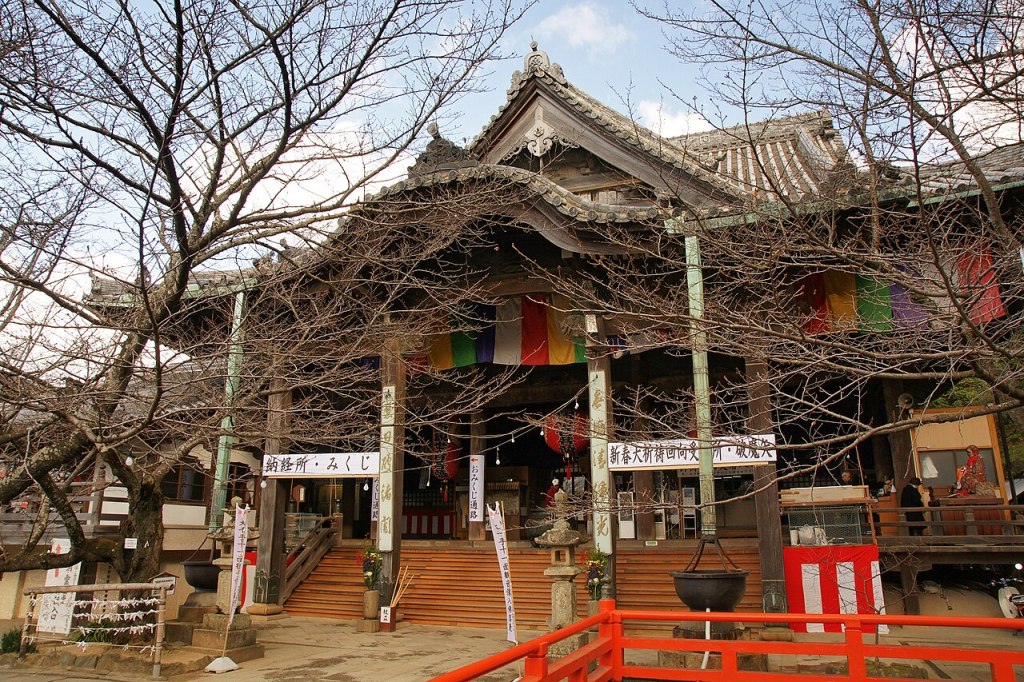
The temple sits on a wooded hill above Wakanoura, reached by a long stair through the trees or by a road to the upper car park. The halls and a pagoda are arranged on the slope, and the view from the top over the bay and its islands is the reason to climb. It is temple two of the Saigoku pilgrimage and busy in the New Year.
Wakanoura
The bay south of the city has been famous for its scenery since the Nara period, with pine-covered islands, a shallow shore and the mountains behind. The name means the bay of poems, and the classical anthologies are full of it. It is a working coast as well, with fishing boats and small harbours, and the seafood is good.
The castle town streets
The area between the castle and the station holds the old merchant streets, a few temples and the ordinary shops of a provincial capital. It is not a preserved district, but the scale is right and the walk is flat. The local market and the food shops are here, and the seafood from the bay is sold in the morning.
The coastal road
The road along the bay runs south past Wakanoura towards the Marina City area and the beaches beyond, with the sea on one side and the hills on the other. It is a good drive or a slow bus ride, and the light in the late afternoon is the best of the day. The small ports along the way serve fish and shellfish.
Food and drink
- Seafood from the bay is the local speciality: fish, shellfish and the small shrimp of the Kinokawa estuary.
- Wakayama ramen is a local style with a pork and soy soup, served in small shops around the city.
- The local citrus, including mikan and the later varieties, is sold in the markets and used in sweets.
- Ume from the Kishu mountains is the prefecture’s other crop, and the pickles and liqueurs are widely sold.
- The market near the castle has fish and prepared food in the morning, and it is the place for a cheap lunch.
Getting there and around
- Wakayama is reached from Osaka by the Nankai line in about an hour, or by the JR Hanwa and Kisei lines.
- The castle is a short bus or taxi ride from Wakayama station, and about fifteen minutes on foot from the Nankai station.
- Kimii-dera and Wakanoura are on the Nankai Kada line, a short ride south of the city.
- Buses run from the station to the castle, the Yosuien and the coast, but the service is not frequent.
- Kansai airport is about forty minutes away by car or bus, which makes the city a convenient first or last stop.
Where to stay
- Business hotels around the station are the practical choice, with a few larger hotels near the castle.
- Wakanoura has resort hotels and inns with sea views, convenient for the temple and the bay.
- Kada, further south, has small inns near the coast and the Awashima shrine.
- Book ahead for the New Year, when Kimii-dera is at its busiest.
Best time to visit
- Spring is mild, with blossom at the castle and the garden at its best.
- Summer is hot and humid, and the bay is at its busiest with swimmers and boats.
- Autumn is clear and dry, the best season for the coast and the temple.
- Winter is mild and quiet, with clear views over the bay and few visitors.
Practical tips
- The castle and the museum are separate tickets; check the combined price at the gate.
- Kimii-dera involves a long stair; wear shoes you can climb in.
- The Yosuien is a short bus ride from the castle, and the buses are infrequent, so check times.
- The market is a morning place; the restaurants close in the afternoon.
- The Nankai line from Osaka is faster and cheaper than the JR route for the city centre.
- Wakayama is a good stop between Osaka and the Kumano coast, and one night is enough for the city.
Suggested day-trip outline
- Morning: the castle and the Kishu Tokugawa museum.
- Late morning: the castle town streets and the market.
- Lunch: Wakayama ramen or a seafood bowl.
- Afternoon: the bus to the Yosuien, then the coast at Wakanoura.
- Late afternoon: Kimii-dera and the view over the bay.
- Evening: back to Osaka, or a night on the coast.
Before you go
Timetables, fares, admission fees, and seasonal access rules can change. Check the official tourism and transport sites linked below for the latest information before you travel.
Explore More of Japan
Published guides that pair with this one:
- Shingu Travel Guide: Kumano Hayatama Taisha and the River Road
- Takeda Castle Ruins Travel Guide: The Castle in the Sky
- Ise-Shima and Toba Guide: Shrine, Pearl Bays and Coastal Food
- Nachi Falls and Kumano Nachi Taisha Travel Guide
- Hikone Castle Travel Guide: A National Treasure Keep by Lake Biwa
Browse every Kansai guide on this site for the rest of the region.
Sources
- city.wakayama.wakayama.jp (checked 2026-11-06)
- wakayama-kanko.or.jp (checked 2026-11-06)


Leave a Reply