A practical English guide to Tenkawa in Nara: the Dorogawa hot spring village, the Omine mountain pilgrimage, the river and the cedar forest.
Operational details such as opening hours, admission fees, and train times can change. Prefer official pages and reconfirm before you travel (sources checked on 06 November 2026).
Why visit
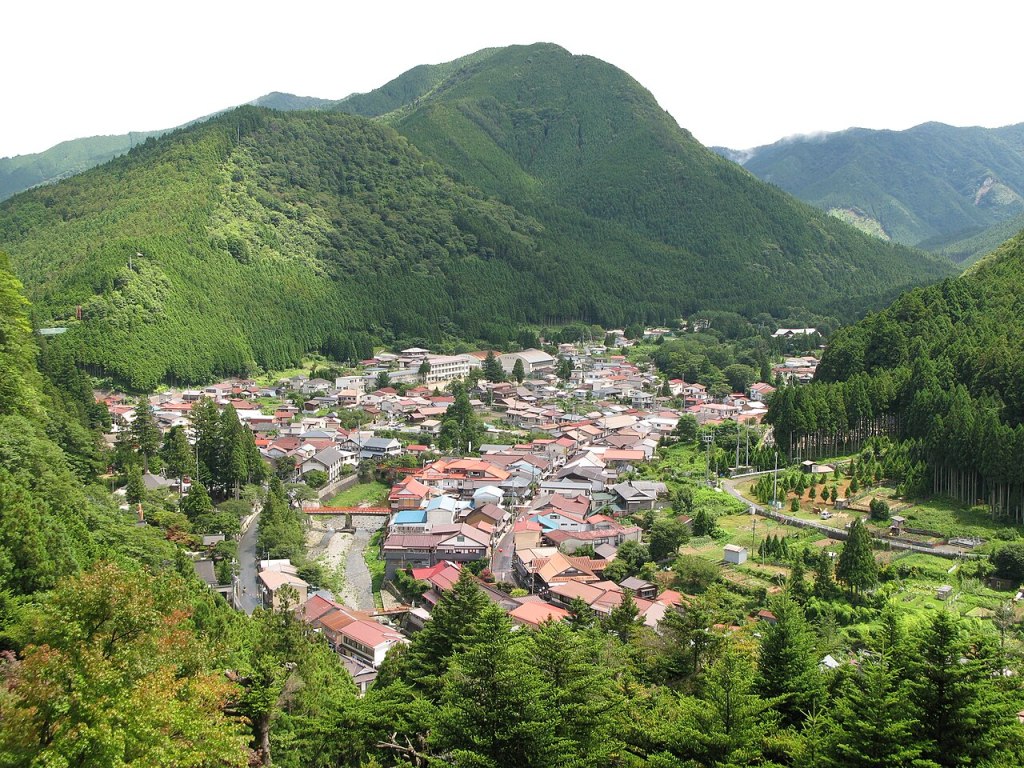
- Tenkawa is a mountain village in the south of Nara prefecture, deep in the Omine range, and it is one of the holy places of Japanese mountain religion. The village is small, with a river running through it and cedar forest on the slopes, and it has the shrine of Tenkawa Daibenzaiten, the deity of water and the arts, at the foot of the pilgrimage route up Mount Omine.
- The shrine is the reason the place exists. It was a centre of the shugendo mountain ascetics, and the route from the village up to Mount Omine and the peak of Sanjogatake is one of the oldest pilgrimage paths in Japan, a World Heritage site. The walkers still pass through in the summer season, with their white robes and bells.
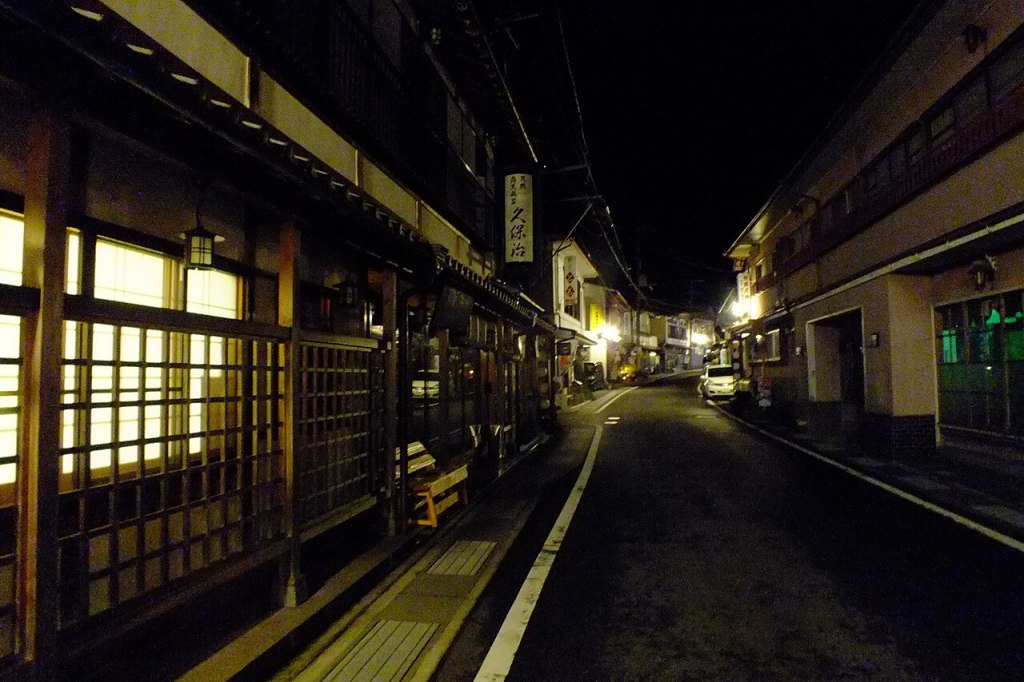
- The second attraction is Dorogawa, a hot spring village a few kilometres up the valley, with a single street of inns and shops along a stream and the smell of the sulphur baths. It is a quiet, old-fashioned onsen resort, with wooden buildings and a small foot bath, and it is the base for the mountain walks.
- The third is the forest itself. The valley has some of the oldest cedars in the region, with the trees planted for the temple construction centuries ago, and the river is clear and cold. The walks and the drives along the valley are the attraction, and the autumn colour is exceptional.
Top places and highlights
The Tenkawa shrine
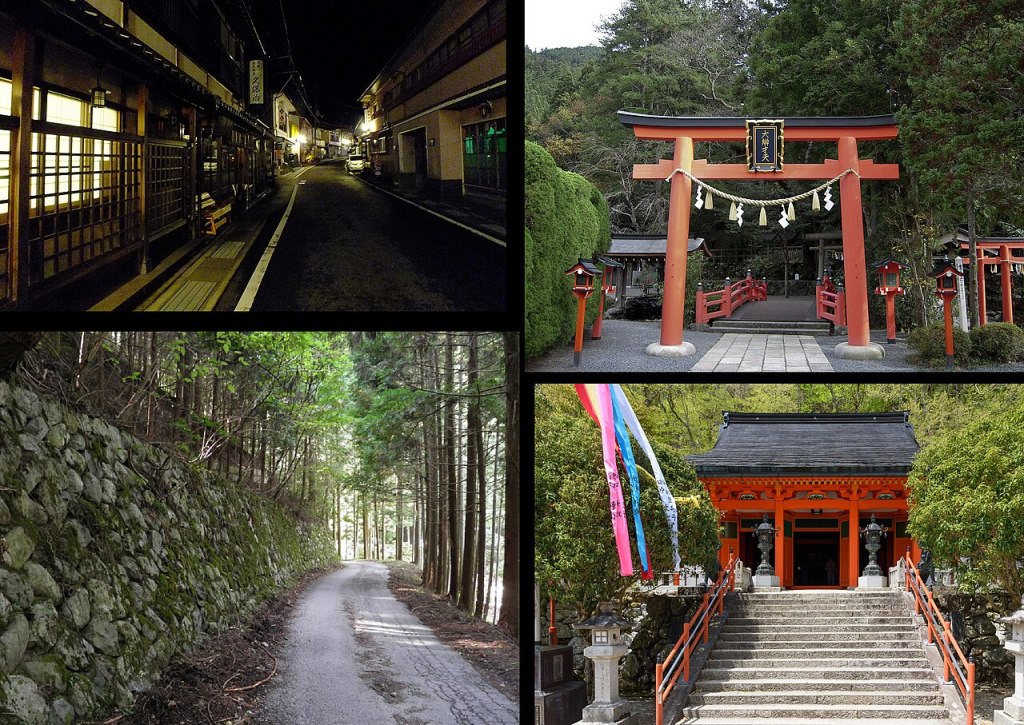
The shrine at the foot of the mountain is dedicated to the deity of water, and it is the starting point of the Omine pilgrimage, with the old hall, the cedars and the river around it. It is quiet and old. The walkers pass through in summer.
The Omine pilgrimage route
The path up to Mount Omine and Sanjogatake is one of the oldest in Japan and a World Heritage site, with the ascetics walking it in white robes and bells. The full route is for experienced hikers and the entry is restricted in season. The lower sections are open to walkers.
Dorogawa onsen
The hot spring village has a single street of wooden inns along a stream, with the sulphur baths and a foot bath, and the atmosphere of an older Japan. It is the base for the walks. The baths are simple and hot.
The cedars
The valley has some of the oldest cedars in the region, planted centuries ago for the temple construction, with the trunks straight and the forest dark. The walk among them is the experience. The oldest trees are marked.
The river
The clear, cold river runs through the valley with pools, rocks and small waterfalls, and the paths along it are good for a short walk. The sound of the water is the background of the village. The fishing is allowed in parts.
The autumn colour
The valley is famous for its autumn leaves, with the maples and the cedars contrasting along the river, and the roads and the paths are busy in November. The light in the morning is best. The onsen and the colour make a good combination.
The local food
The restaurants serve the river fish, the soba, the mountain vegetables and the tofu of the region, along with the local sake. The food is simple and good. The shops sell the produce and the crafts.
Food and drink
- The river fish, including the amago trout, is served grilled with salt.
- The soba and the mountain vegetables are the local lunch.
- The tofu and the konnyaku of the region are the traditional foods.
- The local sake and the yuzu drinks are the drinks to try.
- The shops sell the preserved mountain vegetables and the crafts.
Getting there and around
- Tenkawa is reached by bus from Shimoichi or Yoshino, about an hour and a half from Osaka.
- The train to Shimoichi and then the bus is the public route, and the service is limited.
- A car is the practical way to reach the village and Dorogawa.
- The mountain roads are narrow and winding; allow more time than the distance suggests.
- The Omine route requires registration and proper equipment in season.
Where to stay
- The inns of Dorogawa are the main accommodation, with meals and baths.
- The shrine area has a few simple lodgings for pilgrims.
- Yoshino and Shimoichi have more choice and are within an hour.
- Book ahead in the autumn colour season and the summer walking season.
Best time to visit
- Spring is mild, with the fresh green of the cedars.
- Summer is the pilgrimage season, with the walkers and the cool air.
- Autumn is the colour season, from early November, and the busiest.
- Winter is cold, with snow on the mountains and few visitors.
Practical tips
- The buses are infrequent; check the return times before the last one.
- The Omine route needs registration and experience; do not attempt it unprepared.
- The onsen water is hot and sulphuric; rinse afterwards.
- The roads are narrow; drive slowly and watch for the walkers.
- Cash is needed at the small inns and shops.
- The village is a religious site; keep quiet and respect the customs.
Suggested day-trip outline
- Morning: the bus from Shimoichi to Tenkawa.
- Late morning: the shrine and the cedar forest.
- Lunch: soba or the river fish in Dorogawa.
- Afternoon: the river walk and the foot bath.
- Late afternoon: the onsen bath.
- Evening: back to Yoshino, or a night in Dorogawa.
Before you go
Timetables, fares, admission fees, and seasonal access rules can change. Check the official tourism and transport sites linked below for the latest information before you travel.
Explore More of Japan
Published guides that pair with this one:
- Yoshino Guide: Japan’s Most Famous Cherry Blossom Mountain
- Asuka Travel Guide: The Birthplace of Japan in a Nara Valley
- Sakurai Travel Guide: Omiwa Shrine and the Tombs of Early Japan
- Ise Jingu Travel Guide: Naiku, Geku and the Pilgrim Streets of Ise
- Kinosaki Onsen Guide: Yukata, Seven Baths, and the Willow Canal
Browse every Kansai guide on this site for the rest of the region.
Sources
- vill.tenkawa.nara.jp (checked 2026-11-06)
- narakko.jp (checked 2026-11-06)


Leave a Reply