A practical English guide to Sakurai in Nara: Omiwa shrine and Mount Miwa, the Hashihaka tomb, the old roads and access from Nara and Osaka.
Operational details such as opening hours, admission fees, and train times can change. Prefer official pages and reconfirm before you travel (sources checked on 06 November 2026).
Why visit
- Sakurai is a small city in the Nara basin, south of Nara, and it holds some of the oldest sites in Japan. It was the centre of the early Yamato court, and the tombs of the first emperors, the shrines of the mountain gods and the old roads that connected them are scattered through the fields and the low hills. It is quiet, rural and important, and it is not on most itineraries.
- The main attraction is Omiwa shrine. It is one of the oldest shrines in Japan, and it has no main hall: the object of worship is Mount Miwa itself, the conical hill behind the shrine, and the worshippers face the mountain through a gate. The shrine is the centre of the sake-brewing faith, and the brewers of Japan still come to pray here.
- The second is the tombs. The Hashihaka tomb is a large keyhole-shaped mound that is identified with the tomb of the legendary Empress Himiko, and it is the earliest of the great imperial tombs, surrounded by a moat and a fence and inaccessible but visible from the road. The area has several of the largest tombs in Japan, and the walks between them cross the fields.
- The third is the texture of the place. Sakurai has old merchant streets, a few temples with gardens, and the mountain paths up Mount Miwa, with the cedar forest and the rocks where the deity is said to descend. Cycling the basin between the tombs and the shrines is the best way to see it, and the local rental shops make it easy.
Top places and highlights
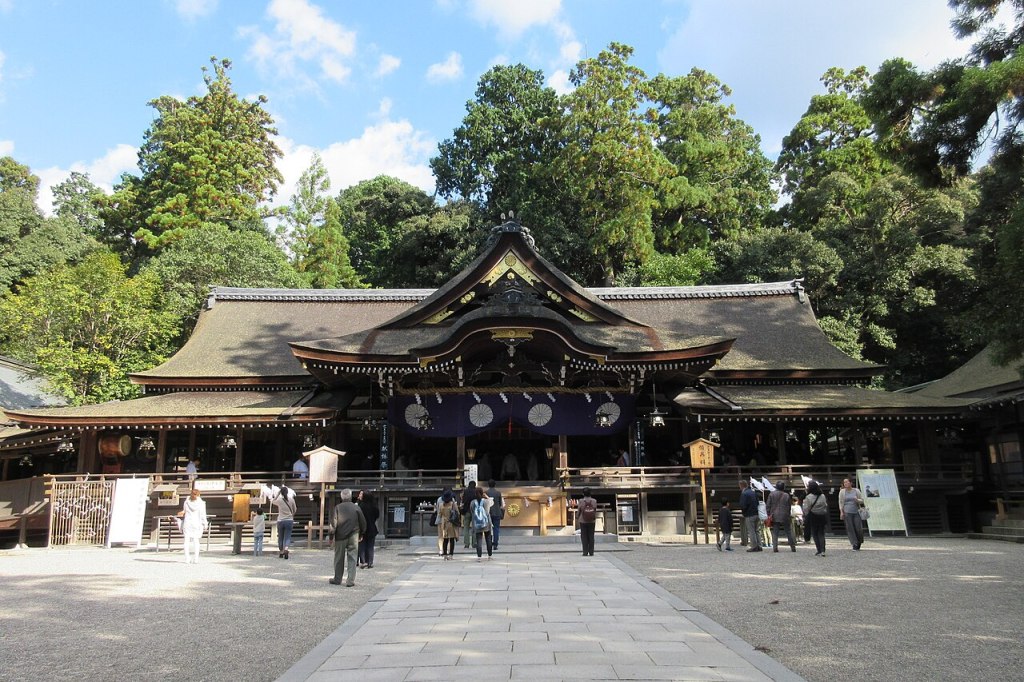
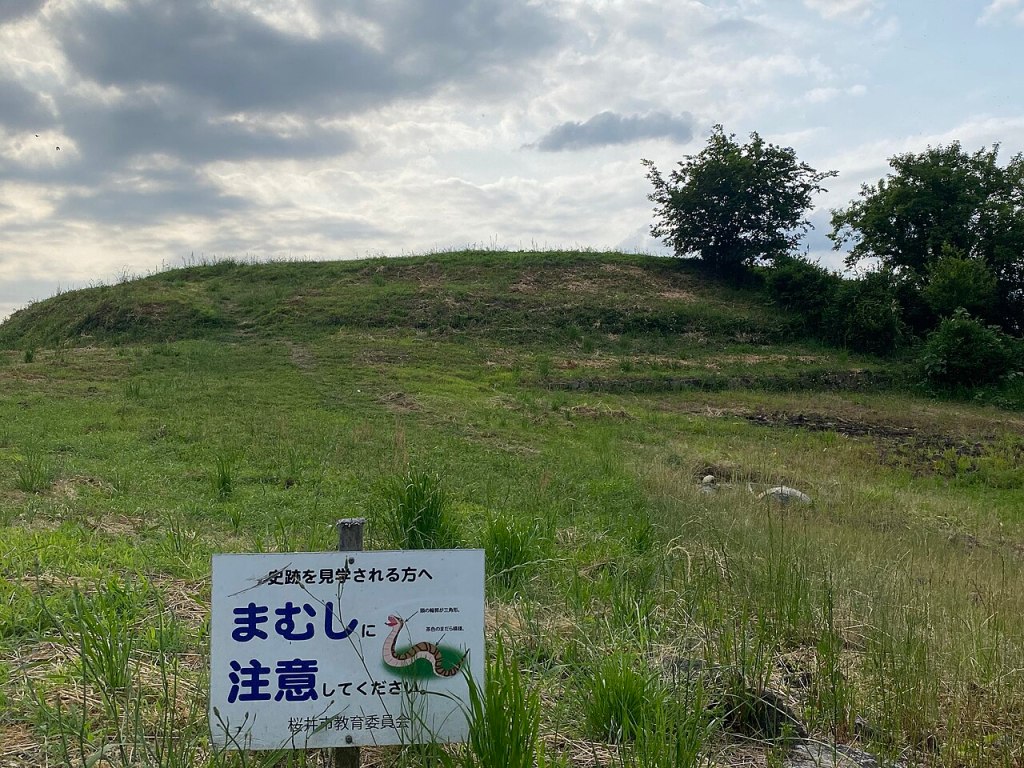
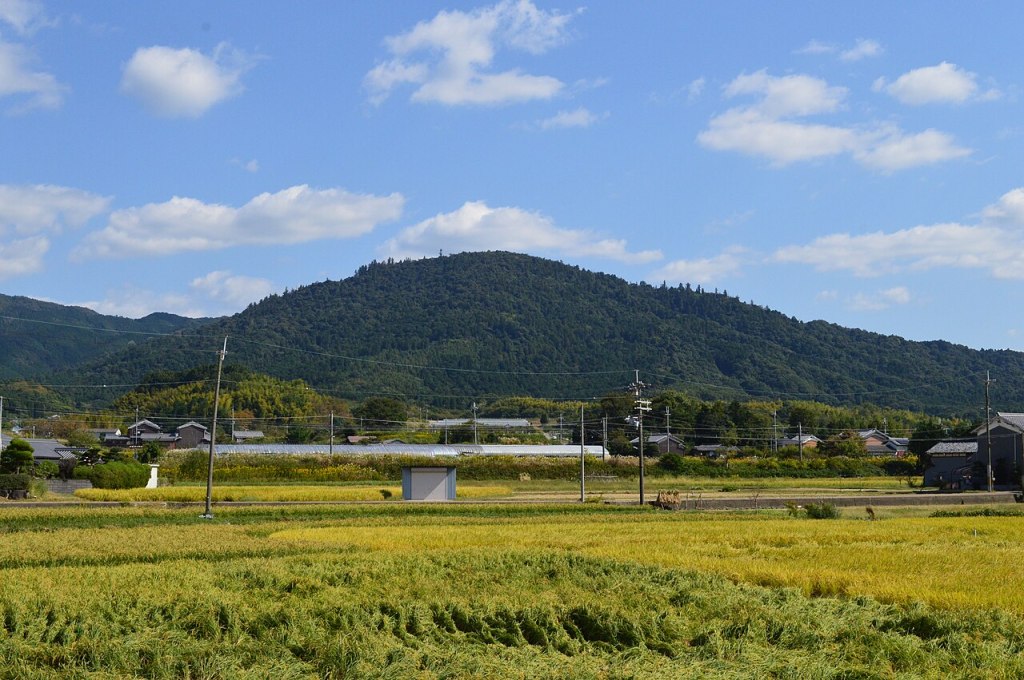
Omiwa shrine
The shrine has no main hall; the object of worship is the mountain behind it, and the worshippers face the peak through a gate. It is one of the oldest shrines in Japan, and it is the centre of the faith of the sake brewers. The compound is shaded and calm.
Mount Miwa
The conical mountain behind the shrine is sacred, and the paths up it pass rocks, small shrines and cedar forest, with the summit ridge and the view over the basin. The walk takes a few hours and requires proper shoes. It is a pilgrimage route rather than a hike.
The Hashihaka tomb
The large keyhole-shaped mound is identified with the tomb of Himiko, the shaman queen of the third-century Chinese records, and it is the earliest of the great imperial tombs. It is fenced and not open, but the shape is clear from the road and the surrounding path. It is free to view.
The other tombs
The area has several of the largest tombs in Japan, including the Mesuriyama and the Nishitonozuka mounds, and the walks between them cross the rice fields. The scale is impressive and the atmosphere is quiet. The local maps mark the routes.
The old merchant streets
The town has a few streets of old houses, shops and sake breweries, with the timber fronts and the white walls of the Edo style, and the walk takes under an hour. The breweries sell the local sake. The area is lived in rather than preserved.
The temples and gardens
The city has a set of old temples, including the Byodoji with its garden and the Abe Monjuin with its hall, and they are quiet and rarely crowded. They are a good break between the shrines and the tombs. The gardens are small and fine.
Cycling the basin
The basin is flat and the sites are within a few kilometres of each other, and the roads between the fields are quiet. Bicycle rental shops near the station make it practical. A loop of the shrine, the tombs and the temples takes half a day.
Food and drink
- The local sake from the breweries is the speciality, sold at the shops and served in the restaurants.
- The soba and the udon of the basin are simple and good.
- The local vegetables and the rice appear in the set meals.
- The sweets shops sell the traditional confections of the town.
- The cafes near the station are cheap and useful for a break.
Getting there and around
- Sakurai is on the JR Sakurai line and the Kintetsu line, about thirty minutes from Nara and an hour from Osaka.
- The station is central, and the shrine is a short bus or taxi ride away.
- The tombs are within walking or cycling distance of the station.
- A bicycle is the best way to cover the sites, and rental is available.
- The Kintetsu line connects to Yoshino and the southern mountains.
Where to stay
- A few small inns and guesthouses operate near the station.
- Nara has the larger hotels and is half an hour away.
- The temples sometimes offer simple lodgings.
- Book ahead in spring, when the blossom and the shrine festivals draw visitors.
Best time to visit
- Spring is the best season, with blossom and the shrine festivals.
- Summer is hot and humid, with the mountain walk at its greenest.
- Autumn is clear and cool, with the rice harvest and the colour.
- Winter is cold and quiet, with the shrine at its calmest.
Practical tips
- The shrine is free and open; the mountain walk needs proper shoes.
- The tombs are fenced and not open; view them from the road.
- The bicycle is the practical way to see the sites.
- The restaurants are few; eat lunch near the station or the shrine.
- Carry cash for the small shops and the breweries.
- Combine the visit with Nara and Yoshino on the same line.
Suggested day-trip outline
- Morning: Omiwa shrine and the worship hall.
- Late morning: the Hashihaka tomb and the surrounding mounds.
- Lunch: a set meal near the station.
- Afternoon: the old streets and the temples.
- Late afternoon: the mountain path or the basin by bicycle.
- Evening: back to Nara or Osaka.
Before you go
Timetables, fares, admission fees, and seasonal access rules can change. Check the official tourism and transport sites linked below for the latest information before you travel.
Explore More of Japan
Published guides that pair with this one:
- Asuka Travel Guide: The Birthplace of Japan in a Nara Valley
- Shingu Travel Guide: Kumano Hayatama Taisha and the River Road
- Ise Jingu Travel Guide: Naiku, Geku and the Pilgrim Streets of Ise
- Yoshino Guide: Japan’s Most Famous Cherry Blossom Mountain
- Nachi Falls and Kumano Nachi Taisha Travel Guide
Browse every Kansai guide on this site for the rest of the region.
Sources
- city.sakurai.lg.jp (checked 2026-11-06)
- narakko.jp (checked 2026-11-06)


Leave a Reply