A practical English guide to Minamiboso and Tateyama in Chiba: the Nojimazaki lighthouse and cape, the flower fields, the fishing ports and access by the Uchibo line.
Operational details such as opening hours, admission fees, and train times can change. Prefer official pages and reconfirm before you travel (sources checked on 06 November 2026).
Why visit
- The southern tip of the Boso peninsula is the closest stretch of open Pacific coast to Tokyo, and it is a different Japan from the bay: small fishing ports, steep wooded hills, flower farms on the slopes and a lighthouse at the end of the land. Tateyama and Minamiboso are neighbouring cities that share the coast, and together they make a good weekend from the capital.
- The coast is the main attraction. Nojimazaki, the southern cape, has a white lighthouse, a rocky shore and a view across the Kuroshio current, and the road along the water passes one small harbour after another. The sea here is warm enough to swim in late summer and rough enough to be interesting in winter.
- The second attraction is flowers. The mild winters and the sloping fields made this the flower country of the Tokyo region, and the farms along the coast produce nanohana in early spring, poppies, roses and a long list of cut flowers. Several farms open to visitors, and the roadside stands sell bunches cheaply.
- The third is food. The ports land horse mackerel, sardines, lobster in season and the small fish of the Kuroshio, and the seafood restaurants are inexpensive and good. The area is not a resort: it is a working coast within reach of the city, and it has kept its own pace.
Top places and highlights
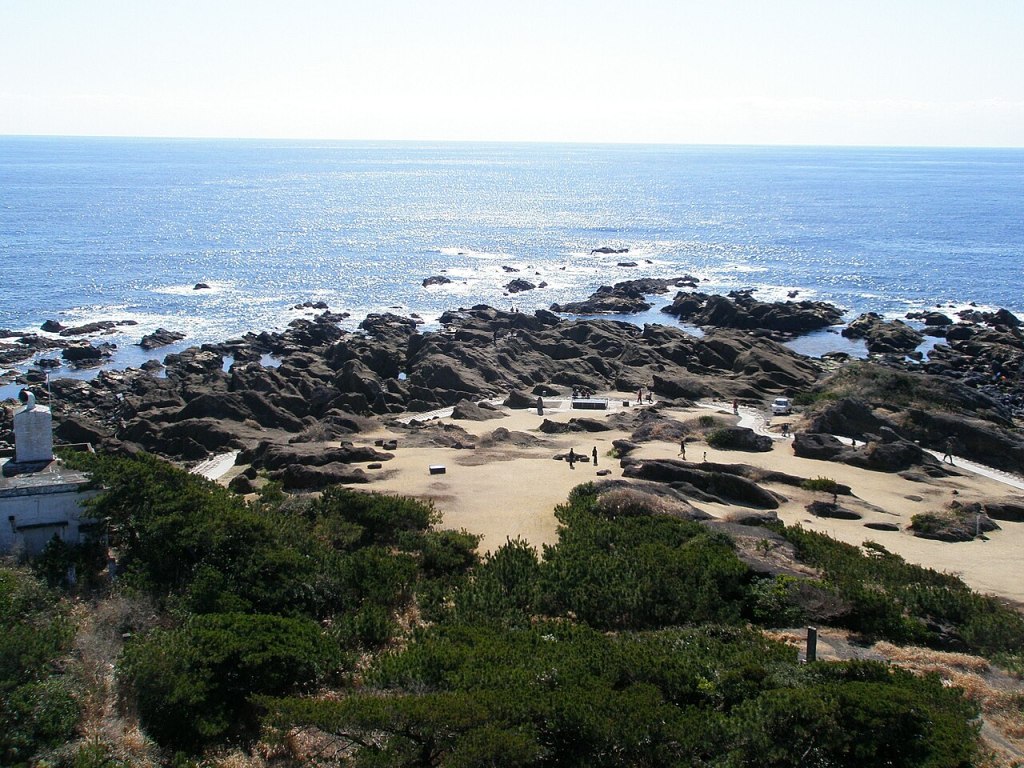
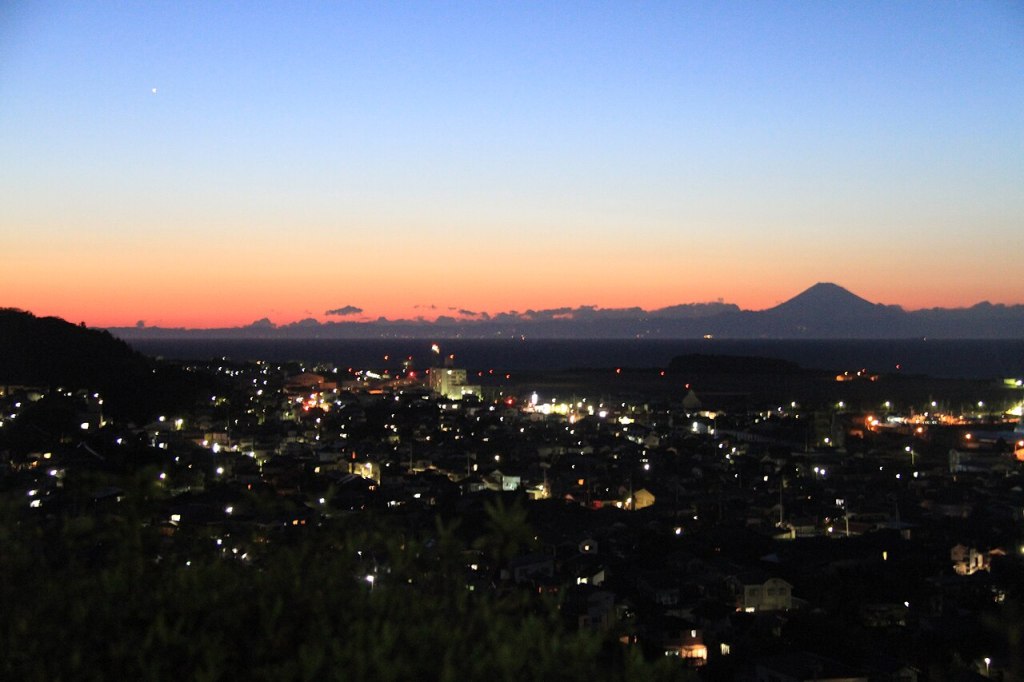
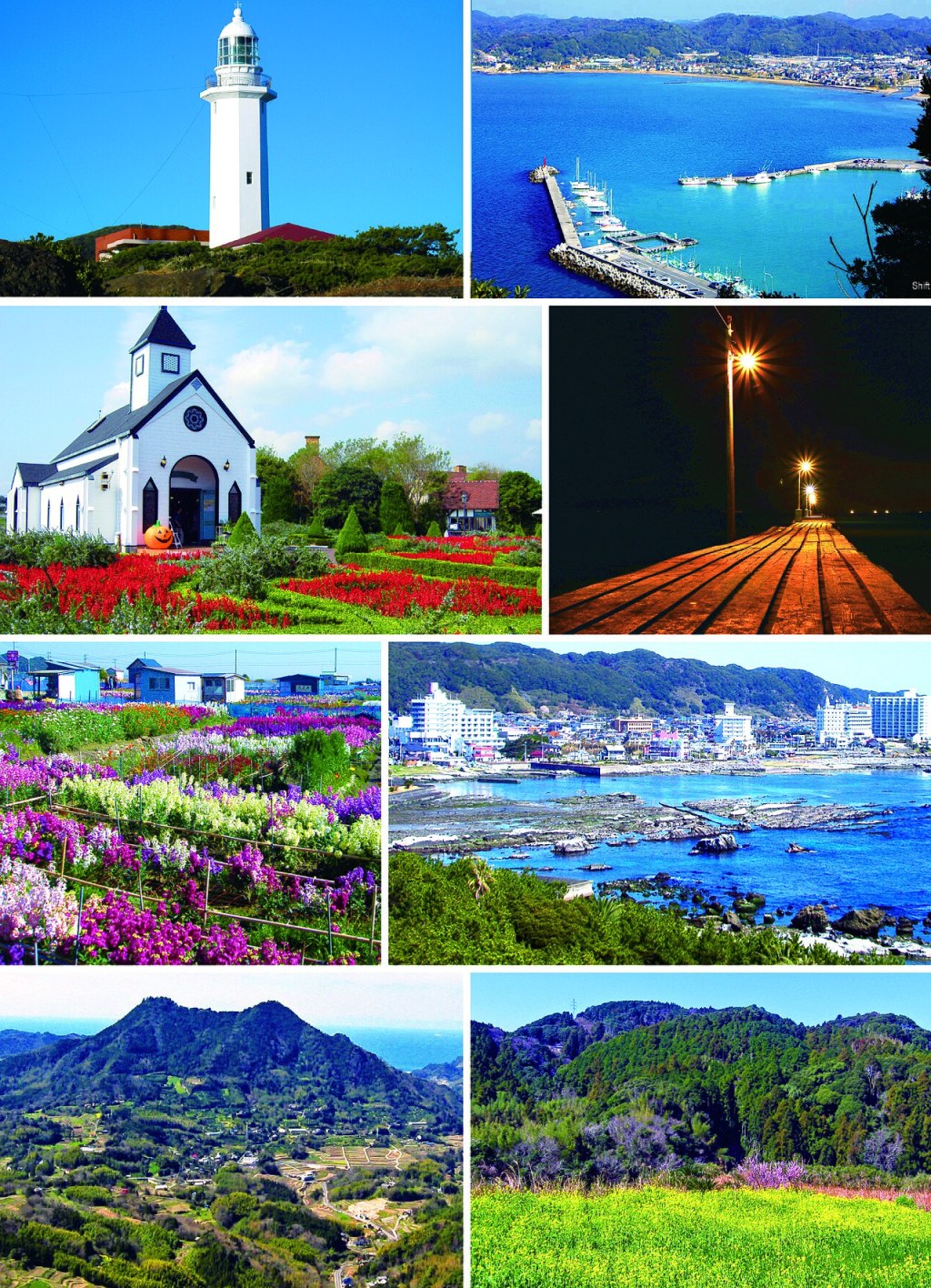
Nojimazaki
The cape at the southern tip of the peninsula has a lighthouse, a park and a view over the Pacific and the entrance to Tokyo Bay. On clear days the Izu peninsula is visible across the water, and the black current offshore gives the sea a deep colour. The walk from the car park to the lighthouse is short, and there is a small cafe and a garden.
The Nojimazaki lighthouse
The lighthouse is a white tower on the point, one of the older ones on this coast, and it can be climbed in season for a view along the cliffs. The structure is a landmark for the fishing boats and a symbol of the cape. Check the opening times, which are seasonal and weather dependent.
The flower fields
The slopes along the coast are used for cut flowers, and in early spring the nanohana fields turn yellow against the sea. Several farms open their fields to visitors for a fee in season, and the roadside stands sell flowers and seedlings. The bloom depends on the weather, so ask locally before making a special trip.
The fishing ports
Tateyama, Wada and the smaller harbours along the coast are working ports with boats, nets and sheds, and the morning auctions are part of the town’s life. The restaurants around them serve the catch of the day, and the fish is the reason many Tokyo residents come down for lunch. Arrive before the afternoon.
The Uchibo line
The JR Uchibo line runs down the western side of the peninsula from Kisarazu through Tateyama to Awa-Kamogawa, with sections close to the water. The trains are slow and the views of the hills and the sea are good, and the small stations are a good way to hop between ports. It is a scenic ride rather than a fast one.
The hill roads
The interior of the peninsula is a series of ridges and valleys covered in forest, with narrow roads that climb to viewpoints over the coast. Cycling is popular here, and the climbs are short and steep. Driving them in the late afternoon, with the sea appearing between the trees, is the best way to see the shape of the land.
The seafood
Horse mackerel, sardines, lobster and abalone in season, and the local kaisendon bowls are generous and cheap. The ports have small restaurants that serve what came in that morning, and the quality is high because the distance from boat to kitchen is short. Ask what is local rather than ordering the familiar.
Food and drink
- Horse mackerel, sardines and the small fish of the Kuroshio are the local catch.
- Lobster and abalone are the premium seafood, in season outside summer.
- Kaisendon rice bowls at the port restaurants are the obvious lunch, and they are inexpensive.
- The flower farms sell cut flowers and, in season, strawberries and other fruit.
- The local sake and the sweet shops of the towns are worth a stop on the way through.
Getting there and around
- The JR Uchibo line runs from Kisarazu down the peninsula to Tateyama and Awa-Kamogawa, about two hours from Tokyo with a change.
- Highway buses from Tokyo to Tateyama and Minamiboso are often faster than the train.
- Nojimazaki is reached by bus from Tateyama station, about thirty minutes, or by car.
- A car is the practical way to see the coast, the ports and the flower farms in one day.
- The Tokyo Bay Aqua-Line across the bay shortens the drive from the capital considerably.
Where to stay
- Tateyama has business hotels near the station and a few resort hotels on the coast.
- Minamiboso has small inns and minshuku, some in old wooden buildings near the ports.
- The coast has a handful of onsen and resort hotels with sea views.
- Book ahead in spring for the flower season and in summer for the beaches.
Best time to visit
- Early spring is the flower season, with nanohana and the first blooms on the slopes.
- Summer is the beach season, warm and humid, with the sea at its busiest.
- Autumn is clear and mild, the best time for the coast road and the ports.
- Winter is mild and quiet, with rough seas, cheap seafood and few visitors.
Practical tips
- The peninsula is bigger than it looks on the map; pick two or three stops rather than trying to circle it.
- Buses to Nojimazaki are infrequent, so check the return times.
- Flower bloom dates move with the weather; confirm before travelling for the fields alone.
- Port restaurants close in the afternoon, so eat lunch early.
- A car makes the difference between seeing one port and seeing the coast.
- Bring cash for the farm stands and the small harbour shops.
Suggested day-trip outline
- Morning: train or bus to Tateyama, then the coast road south.
- Mid-morning: the fishing port and the morning market area.
- Late morning: the drive to Nojimazaki and the lighthouse.
- Lunch: a kaisendon bowl at a port restaurant.
- Afternoon: the flower farms and the hill roads.
- Evening: back to Tokyo, or a night near the coast.
Before you go
Timetables, fares, admission fees, and seasonal access rules can change. Check the official tourism and transport sites linked below for the latest information before you travel.
Explore More of Japan
Published guides that pair with this one:
- Choshi Travel Guide: Inubosaki Lighthouse, Cliffs and Soy Sauce
- Miura Peninsula Travel Guide: Jogashima, Misaki Tuna and the Coast
- Oarai Coast Travel Guide: Seafood, the Aquarium and Ibaraki’s Pacific Edge
- Ashikaga Flower Park Guide: The Wisteria Tunnels and When to Go
- Sawara Travel Guide: A Merchant Town on the Water in Chiba
Browse every Kanto guide on this site for the rest of the region.
Sources
- city.minamiboso.chiba.jp (checked 2026-11-06)
- chiba-tour.jp (checked 2026-11-06)


Leave a Reply