A practical English guide to Hamamatsu in Shizuoka: the castle, the instrument museum, the gyoza culture, Lake Hamana and the dunes, and access by Tokaido Shinkansen.
Operational details such as opening hours, admission fees, and train times can change. Prefer official pages and reconfirm before you travel (sources checked on 06 November 2026).
Why visit
- Hamamatsu is the largest city in Shizuoka and one of the great manufacturing towns of Japan, and it has an unusual combination of attractions: a castle, a lake, a sand dune, a music industry and a serious gyoza culture. It is a working city rather than a tourist one, and that is what makes it interesting.
- The castle is small and central, a reconstruction on the site of the Tokugawa castle where Ieyasu lived before Sekigahara, and the park around it is a good place to start. From there the city spreads out: the instrument makers, the textile factories that became machine works, and the companies that became Honda, Suzuki and Yamaha.
- The instrument connection is the city’s most distinctive claim. Hamamatsu makes pianos, wind instruments and motorcycles, and the museum of musical instruments holds one of the best collections in the world, with instruments from Asia, Europe and Africa and a room of playable keyboards.
- The food is the other reason to come. Hamamatsu gyoza is a local style, pan-fried with a lot of cabbage and a light, crisp skin, and the city has hundreds of shops. Lake Hamana, to the west, supplies eel and oysters, and the dunes at Nakatajima are the local beach.
Top places and highlights
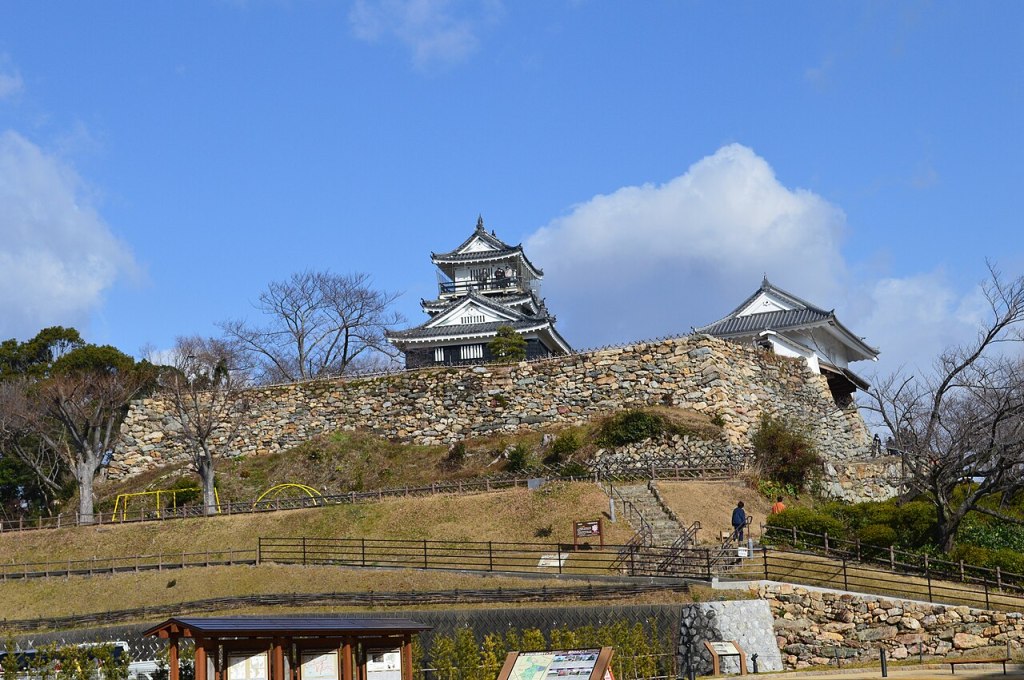
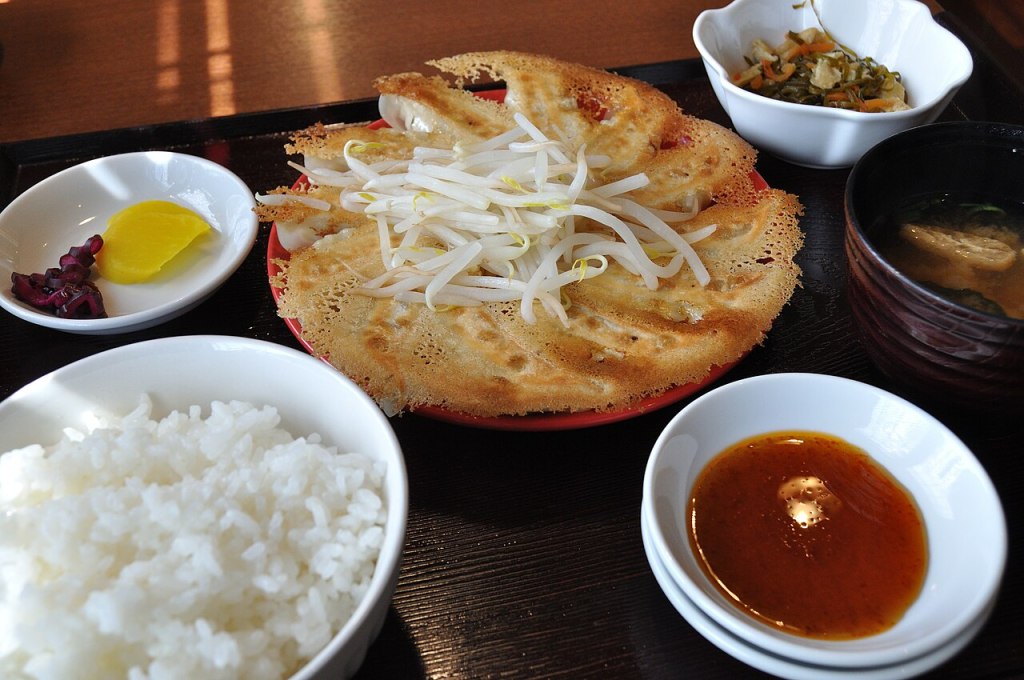
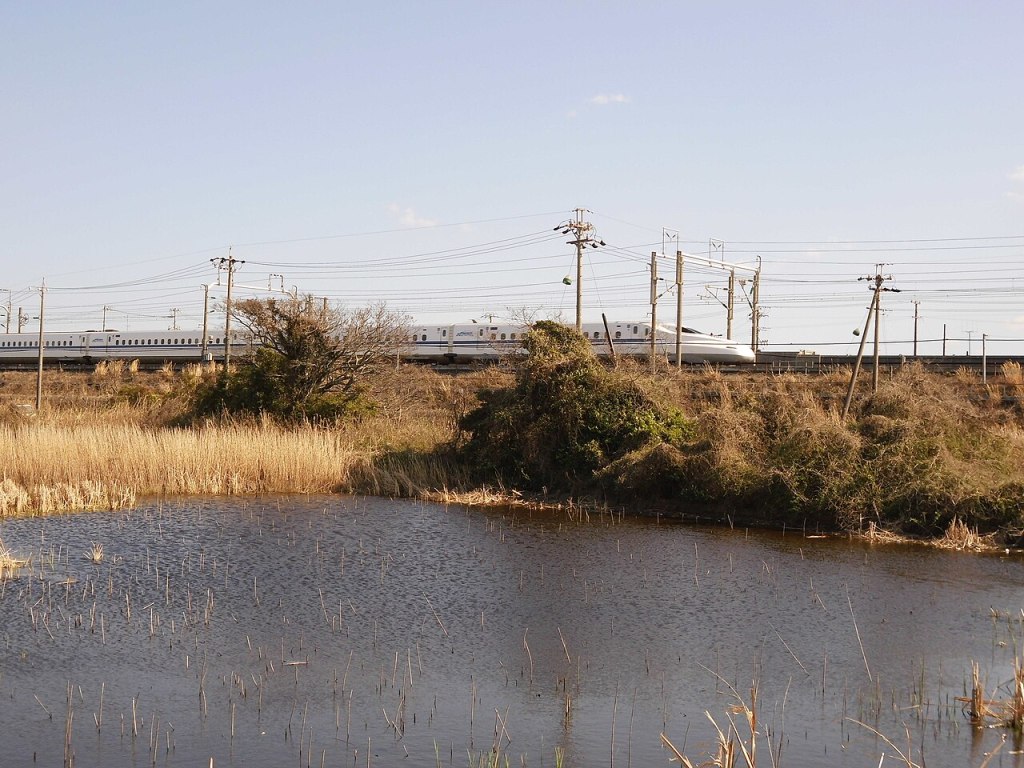
Hamamatsu Castle
The castle stands on a low hill in the centre of the city, rebuilt in concrete with a small museum inside and a view over the roofs from the top. It is the site of the castle where Tokugawa Ieyasu spent seventeen years before Sekigahara, and the park around it holds the stone walls and a few monuments. It is quick to visit and free to walk.
The Museum of Musical Instruments
The collection covers instruments from across the world, from Japanese and Chinese strings to European keyboards and African percussion, and the displays are well organised and quiet. There is a room where visitors can play some of the instruments, and the building sits in a park with the city’s concert hall. It is the best museum in the city.
Hamamatsu gyoza
The local gyoza is pan-fried, with a thin skin, a lot of cabbage and a light filling, and it is eaten by the plate with beer. The city has a dense cluster of shops, and the local guides publish their own rankings. It is cheap, fast and the most social food in the city.
Lake Hamana
The brackish lake west of the city is famous for eel and oysters, and the shores are lined with small restaurants and boat operators. The lake is wide and calm, and the views across it to the hills are good in the late afternoon. It is a short train ride from Hamamatsu station.
The Nakatajima dunes
The dunes on the coast south of the city are a wind-shaped ridge of sand between the sea and the town, used for walking and for the kite festival in spring. They are not large, but the combination of sand, sea and the city behind is unusual, and the sunset from the top is the local spectacle.
The instrument factories
Hamamatsu is the base of several instrument makers, and some of them run factory tours or museums attached to their plants. The tours explain how a piano or a wind instrument is assembled, and they are a good way to see the manufacturing side of the city. Booking is usually required.
The city’s food streets
The area around the station and the entertainment district has a dense concentration of small restaurants, izakaya and bars. It is not beautiful, but it is lively and inexpensive, and the local sake from Shizuoka is widely available. The food streets are the place to end the day.
Food and drink
- Hamamatsu gyoza is the local speciality: pan-fried, thin-skinned and heavy on cabbage.
- Eel from Lake Hamana is grilled over charcoal and served over rice, and the local restaurants do it well.
- Oysters from the lake are in season in winter, and the lakeside restaurants serve them simply.
- Shizuoka green tea is the local drink, and the tea shops sell the region’s sencha and matcha.
- The izakaya around the station serve the local fish and sake at reasonable prices.
Getting there and around
- Hamamatsu Station is on the Tokaido Shinkansen, about an hour and a half from Tokyo and an hour from Nagoya.
- The castle and the instrument museum are a short bus or taxi ride from the station, and the castle is walkable.
- Lake Hamana is reached by the JR Tokaido line, a short ride west of the city.
- The Nakatajima dunes are a bus ride south of the centre, or a twenty-minute taxi.
- A car is useful for the lake and the coast, but the city’s main sights are reachable by public transport.
Where to stay
- Business hotels cluster around the station and are the practical choice.
- Lake Hamana has resort hotels and inns with lake views, convenient for eel and the water.
- The city centre has a few larger hotels for conferences and events.
- Book ahead during the kite festival and the summer holiday season.
Best time to visit
- Spring is mild, with the kite festival on the dunes and blossom in the parks.
- Summer is hot and humid, with the sea and the lake at their busiest.
- Autumn is clear and comfortable, the best season for the lake and the dunes.
- Winter is mild, with oysters in season and the city at its quietest.
Practical tips
- The instrument museum is closed on some weekdays; check before making it the centre of the day.
- Gyoza shops are busiest in the evening, and the popular ones have queues.
- The dunes are exposed; bring sun protection in summer and a jacket in winter.
- Factory tours need a reservation, often in advance.
- The city is spread out, so use the bus or a taxi between the castle and the museum.
- Eel is expensive; the lunch sets at the lake are better value than dinner in the city.
Suggested day-trip outline
- Morning: the castle and the park.
- Late morning: the Museum of Musical Instruments.
- Lunch: Hamamatsu gyoza in the centre.
- Afternoon: the train to Lake Hamana, or the dunes on the coast.
- Late afternoon: the lakeside walk and an eel dinner.
- Evening: back to the city for the food streets, or the shinkansen onwards.
Before you go
Timetables, fares, admission fees, and seasonal access rules can change. Check the official tourism and transport sites linked below for the latest information before you travel.
Explore More of Japan
Published guides that pair with this one:
- Shizuoka City Travel Guide: Tea, Nihondaira and Miho no Matsubara
- Nagoya Travel Guide: Castle, Miso Food and a Practical Base for Central Japan
- Azumino Travel Guide: Wasabi Fields, Mountain Water and Cycling
- Izu Peninsula Travel Guide: Coast, Hot Springs and the Geopark
- Amaharashi Coast Travel Guide: Toyama Bay and the Tateyama Range
Browse every Chubu guide on this site for the rest of the region.
Sources
- city.hamamatsu.shizuoka.jp (checked 2026-11-06)
- visit-shizuoka.com (checked 2026-11-06)


Leave a Reply