A practical English guide to Azuchi in Shiga: the site of Nobunaga’s castle, the museum, the old streets and access from Kyoto and Nagoya.
Operational details such as opening hours, admission fees, and train times can change. Prefer official pages and reconfirm before you travel (sources checked on 07 November 2026).
Why visit
- Azuchi is a small town on the eastern shore of Lake Biwa, in Shiga prefecture, and it was briefly the capital of Japan. In 1576 Oda Nobunaga, the warlord who was uniting the country, built his castle here on a hill above the lake, and for the next few years the town was the centre of political power, with the castle, the temples and the houses of the merchants and the missionaries.
- The castle is the reason to come. The building was destroyed within a decade, after Nobunaga’s death, and only the stone walls and the site remain, but the museum reconstructs the keep in a detailed model and shows the luxury of the interior, with the paintings and the gold. It was the first Japanese castle to have a tall keep, and it changed the architecture.
- The second is the town. The streets around the site have the temples, the old houses and the museum, and the view over the lake is open and wide. The town is quiet and small, and the walk between the site, the museum and the shore takes a couple of hours.
- The third is the position. Azuchi is on the railway between Kyoto and Nagoya, with the lake and the mountains around it, and it is within reach of Omihachiman, Hikone and the Biwa lake sights. It is a good half-day from Kyoto, and the combination with the lake makes a full day.
Top places and highlights
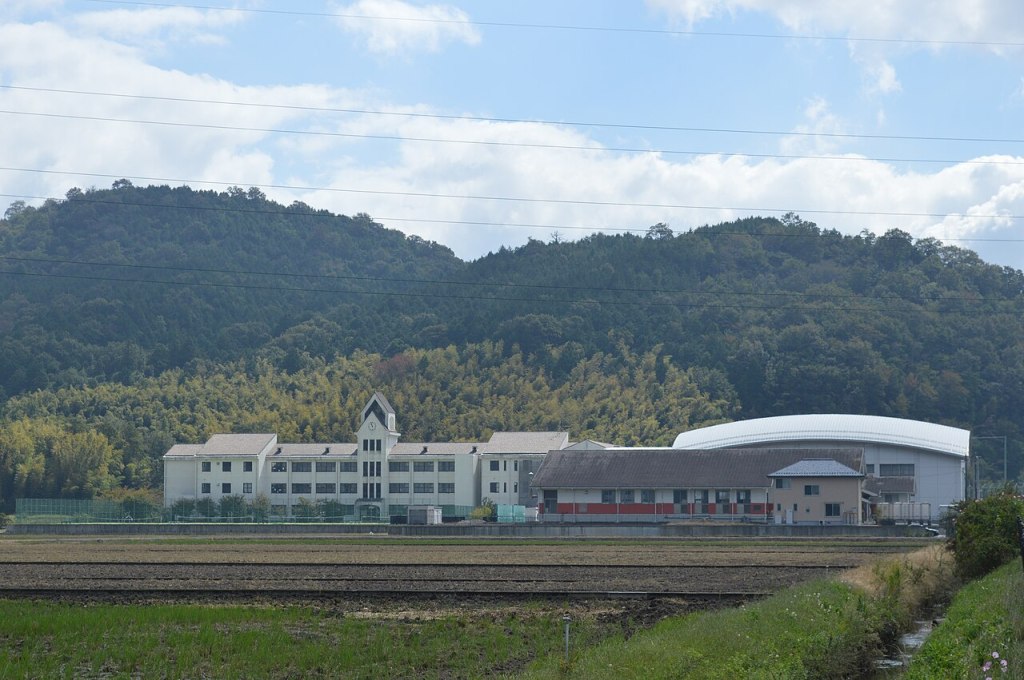
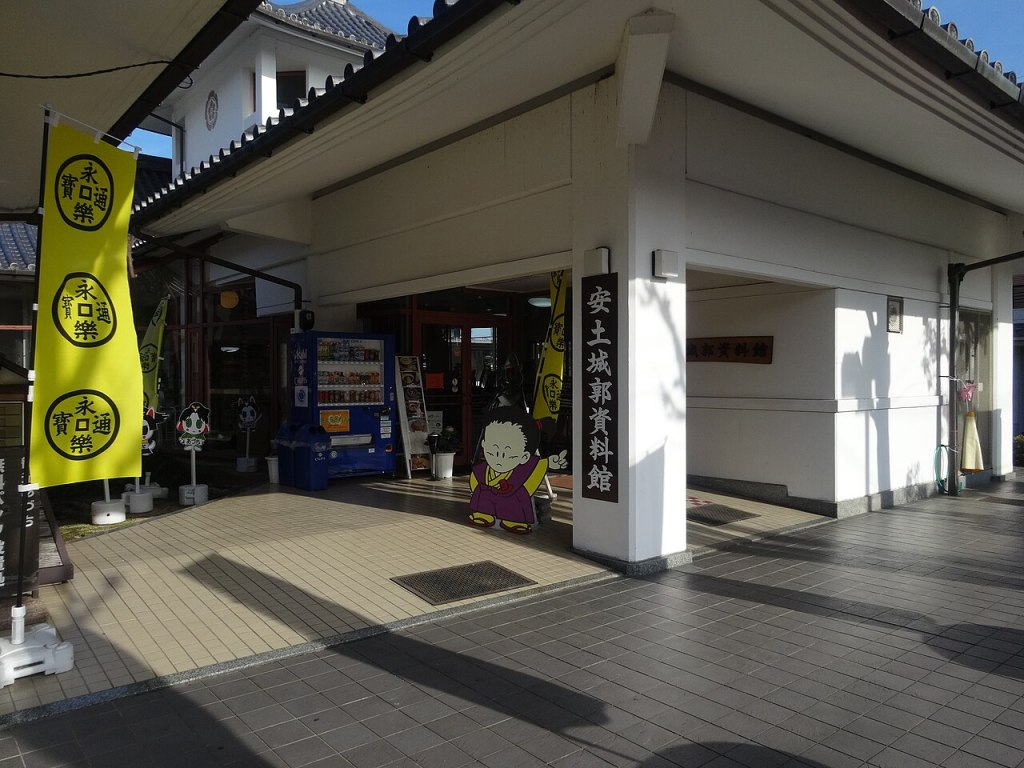
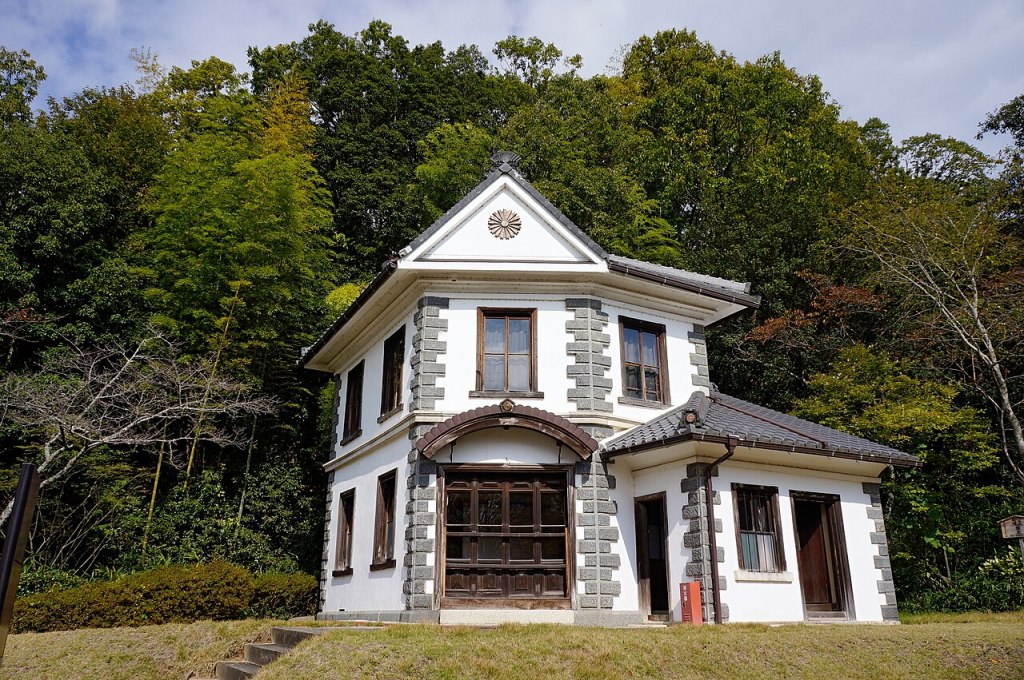
The castle site
The hill above the lake has the remains of the stone walls, the foundations and the paths of Nobunaga’s castle, with the view over the lake and the town, and it is a short climb. It is free and open. The scale of the site shows the ambition of the building.
The Nobunaga museum
The museum reconstructs the keep in a detailed model and shows the interior with the paintings, the gold and the objects of the period, along with the history of the castle and its destruction. It is small and well made. It gives the sense of what was lost.
The old streets
The streets around the site have the temples, the old houses and the shops, with the timber fronts and the quiet, and the walk takes under an hour. The area is lived in. The view of the lake opens at the end of the streets.
The lake shore
The shore of Lake Biwa is wide and open, with the reeds, the small harbours and the view across the water to the mountains, and the sunset is the local scene. The walking and the cycling are easy. The shore is the best place for the view.
The temples
The town has a set of old temples with the halls and the gardens, and they are quiet and rarely visited. They are a good break from the castle site. The precincts are shaded.
The local food
The restaurants serve the fish of the lake, the Omi beef and the local vegetables, along with the sake of Shiga. The food is plain and good. The shops sell the traditional confections.
The access to Omihachiman and Hikone
The town is on the railway between Kyoto and Maibara, with Omihachiman and Hikone a few minutes away, and it fits easily into a loop of eastern Shiga. The trains run frequently. The combination makes a full day.
Food and drink
- The fish of Lake Biwa, including the ayu and the funa, is the local food.
- The Omi beef is the regional speciality, served in the restaurants.
- The local vegetables and the rice of Shiga are the base of the meals.
- The sake of the region is soft and dry.
- The shops sell the traditional confections and the lake products.
Getting there and around
- Azuchi is on the JR Biwako line, about forty minutes from Kyoto and an hour from Nagoya.
- The station is central, and the castle site is a short walk away.
- A bicycle is a good way to see the town and the shore.
- The expressway connects the area with Kyoto and Nagoya.
- The buses are limited; the town is walkable.
Where to stay
- A few small inns and guesthouses operate in the town.
- Omihachiman and Hikone have the larger hotels and are minutes away.
- Kyoto has the widest choice and is forty minutes away.
- Book ahead in spring and autumn.
Best time to visit
- Spring is mild, with blossom at the site and the temples.
- Summer is hot and humid, with the lake at its best.
- Autumn is clear and cool, the best season for the site and the shore.
- Winter is cold and quiet, with the lake grey and the town calm.
Practical tips
- The castle site is a hill; wear shoes for the paths.
- The museum is closed on some weekdays; check before visiting.
- The site is a historic place; do not remove the stones.
- The town is small and the restaurants close early.
- A bicycle makes the shore and the temples easier.
- Combine the visit with Omihachiman and Hikone.
Suggested day-trip outline
- Morning: the train from Kyoto to Azuchi.
- Late morning: the castle site and the view.
- Lunch: a set meal in the town.
- Afternoon: the Nobunaga museum and the old streets.
- Late afternoon: the lake shore and the sunset.
- Evening: back to Kyoto, or on to Hikone.
Before you go
Timetables, fares, admission fees, and seasonal access rules can change. Check the official tourism and transport sites linked below for the latest information before you travel.
Explore More of Japan
Published guides that pair with this one:
- Nagahama Travel Guide: Kurokabe Glass and the Lake Biwa Town
- Hikone Castle Travel Guide: A National Treasure Keep by Lake Biwa
- Osaka Castle Travel Guide: The Keep, the Park and the Siege That Ended an Era
- Asuka Travel Guide: The Birthplace of Japan in a Nara Valley
- Sakurai Travel Guide: Omiwa Shrine and the Tombs of Early Japan
Browse every Kansai guide on this site for the rest of the region.
Sources
- city.omihachiman.lg.jp (checked 2026-11-07)
- azuchi-nobunaga.com (checked 2026-11-07)


Leave a Reply