A practical English guide to Tokamachi in Niigata: the kimono textile tradition, the snow festival, the terraced rice fields and access from Tokyo by shinkansen.
Operational details such as opening hours, admission fees, and train times can change. Prefer official pages and reconfirm before you travel (sources checked on 07 November 2026).
Why visit
- Tokamachi is a city in the mountains of southern Niigata, in the snow country that produces some of the heaviest snowfall in Japan, and it is known for its kimono textiles. The town has a long tradition of weaving and dyeing, especially the crepe silk known as the Tokamachi kimono, and it is one of the few places where the whole process is still done.
- The textile is the main attraction. The town has the workshops and the museums of the kimono, with the looms, the dyes and the finished pieces, and the craft is the local identity. The Kimono Museum shows the history and the technique, and a few workshops accept visitors.
- The second is the snow. The city holds a snow festival in February with the sculptures and the lights, and the surrounding villages have the deep snow, the ski areas and the onsen at Matsunoyama. The winter is the season that shapes the place, and the landscape of the snow country is the attraction.
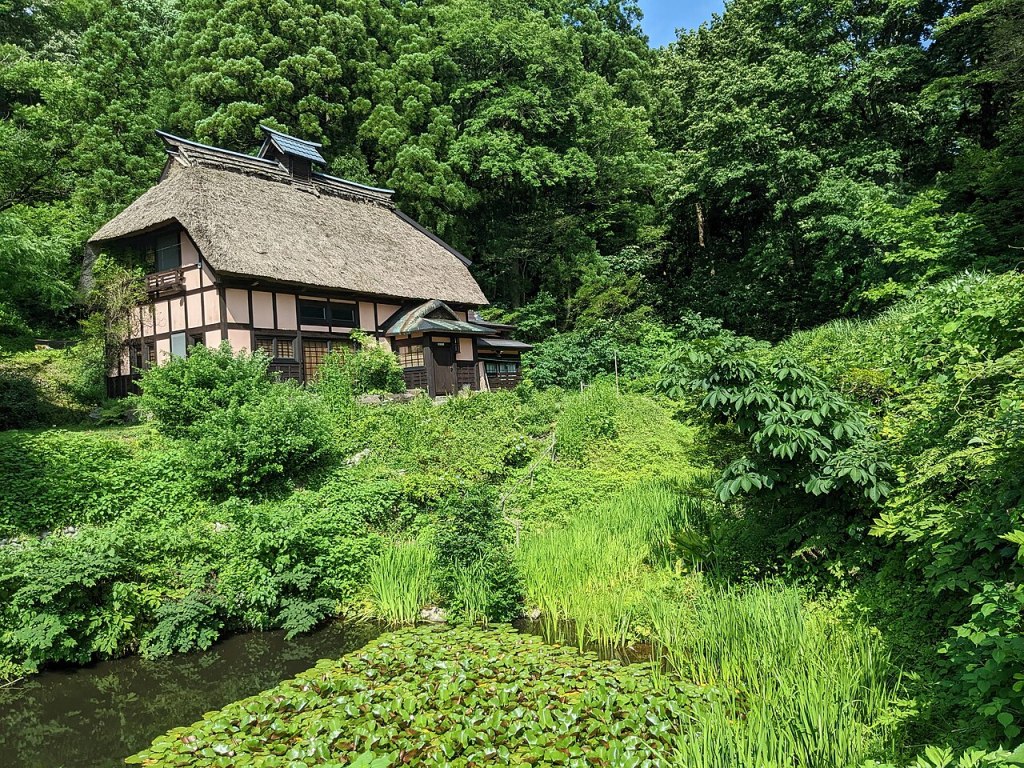
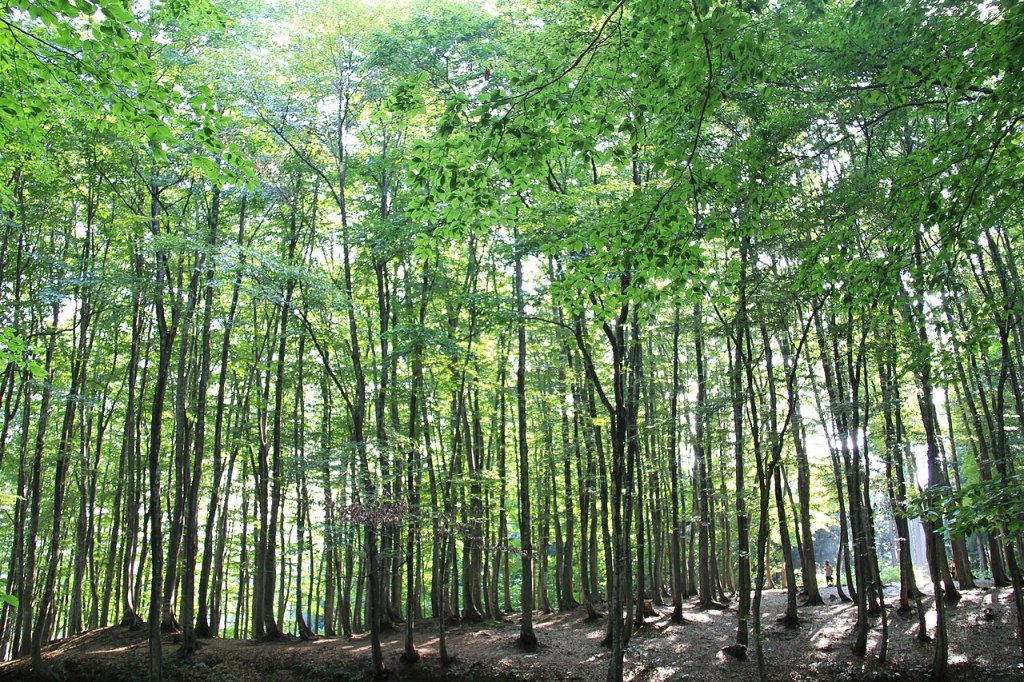
- The third is the countryside. The terraced rice fields of Matsunoyama and the mountains around the city are among the most beautiful in Japan, with the ponds, the farmhouses and the cedar forest, and the walking and the driving are quiet. The area is also known for its onsen and its vegetables.
Top places and highlights
The kimono workshops
The town has the looms, the dyes and the workshops of the kimono trade, and a few accept visitors and show the process from the thread to the finished piece. The craft is the local identity. The visits need a booking.
The kimono museum
The museum shows the history and the technique of the Tokamachi kimono, with the looms, the samples and the finished pieces, and it explains why the town became a textile centre. It is small and specific. The collection is the attraction.
The snow festival
The February festival has the snow sculptures and the lights in the town, with the food stalls and the local performances, and the snow is the material. It is the biggest event of the winter. The dates change each year.
The terraced rice fields
The fields of Matsunoyama are cut into the hillside, with the ponds and the farmhouses, and they are among the most beautiful in Japan. The walking and the photography are the attraction. The green of summer and the snow of winter are the best.
The Matsunoyama onsen
The hot spring in the mountains has the simple inns and the baths, with the water and the snow around, and it is a quiet place in winter. The combination with the fields and the skiing makes a good night. The access needs a car.
The snow country
The city gets some of the heaviest snowfall in Japan, with the snow walls along the roads and the buried houses, and the winter is the season that shapes the place. The driving needs care. The landscape is the attraction.
The local food
The city is in the rice country of Niigata, with the sake, the soba and the vegetables, and the local cooking is the mountain food of the snow country, with the preserved vegetables and the mushrooms. The food is plain and good.
Food and drink
- The rice of the region and the sake of Niigata are the local staples.
- The soba and the mountain vegetables are the everyday lunch.
- The preserved vegetables and the mushrooms are the winter food.
- The local sweets and the rice crackers are the souvenirs.
- The onsen inns serve the meals with the local produce.
Getting there and around
- Tokamachi is about two hours from Tokyo by the Joetsu shinkansen to Tokamachi station.
- The station is central, and the town and the museums are within walking or bus distance.
- A car is essential for the terraced fields and the onsen.
- The roads are snowy in winter; check the conditions.
- The expressway connects the city with Niigata and Nagano.
Where to stay
- The onsen inns at Matsunoyama are the main accommodation, with meals and baths.
- Business hotels near the station are the practical choice.
- Book well ahead in the snow festival and the winter weekends.
- The farm stays offer meals and a quiet night.
Best time to visit
- Spring is late, with the snow melting into May.
- Summer is green and cool, the best season for the terraced fields.
- Autumn is the rice harvest and the colour, with clear days.
- Winter is deep snow, the snow festival and the skiing.
Practical tips
- The winter driving needs snow tyres and care.
- The kimono workshops need a booking.
- The snow festival dates change each year.
- A car is essential for the fields and the onsen.
- The restaurants are few and close early.
- The terraced fields are working farmland; keep to the paths.
Suggested day-trip outline
- Morning: the shinkansen from Tokyo to Tokamachi.
- Late morning: the kimono museum.
- Lunch: soba in the town.
- Afternoon: a kimono workshop or the snow festival.
- Late afternoon: the drive to Matsunoyama.
- Evening: an onsen inn in the mountains.
Before you go
Timetables, fares, admission fees, and seasonal access rules can change. Check the official tourism and transport sites linked below for the latest information before you travel.
Explore More of Japan
Published guides that pair with this one:
- Joetsu Travel Guide: Takada Castle, the Cherry Lanes and the Sake
- Nagaoka Travel Guide: The Fireworks and the Gardens of Niigata
- Sado Island Travel Guide: Gold Mines, Taiko, and the Sea of Japan
- Hamamatsu Travel Guide: Castle, Gyoza and the Instrument Makers
- Obuse Travel Guide: Hokusai, Chestnuts and the Sake of Nagano
Browse every Chubu guide on this site for the rest of the region.
Sources
- city.tokamachi.lg.jp (checked 2026-11-07)
- japan.travel (checked 2026-11-07)


Leave a Reply