A practical English guide to Kawasaki in Kanagawa: the Kawasaki Daishi temple, the Tama river, the industrial night view and access from Tokyo and Yokohama.
Operational details such as opening hours, admission fees, and train times can change. Prefer official pages and reconfirm before you travel (sources checked on 06 November 2026).
Why visit
- Kawasaki is the industrial city between Tokyo and Yokohama, and it is usually passed through rather than visited. It has, however, two things worth a day: one of the great temples of the Kanto region, and one of the most spectacular industrial night views in Japan, along the waterfront where the factories and the port are lit in a grid of lights.
- The temple is Kawasaki Daishi, the head temple of the Chizan school of Shingon Buddhism, founded in the twelfth century and dedicated to a healing deity. It is a large, busy complex with a main hall, a five-storey pagoda and a market street of shops, and it is especially crowded for the New Year and the Daruma fair in January.
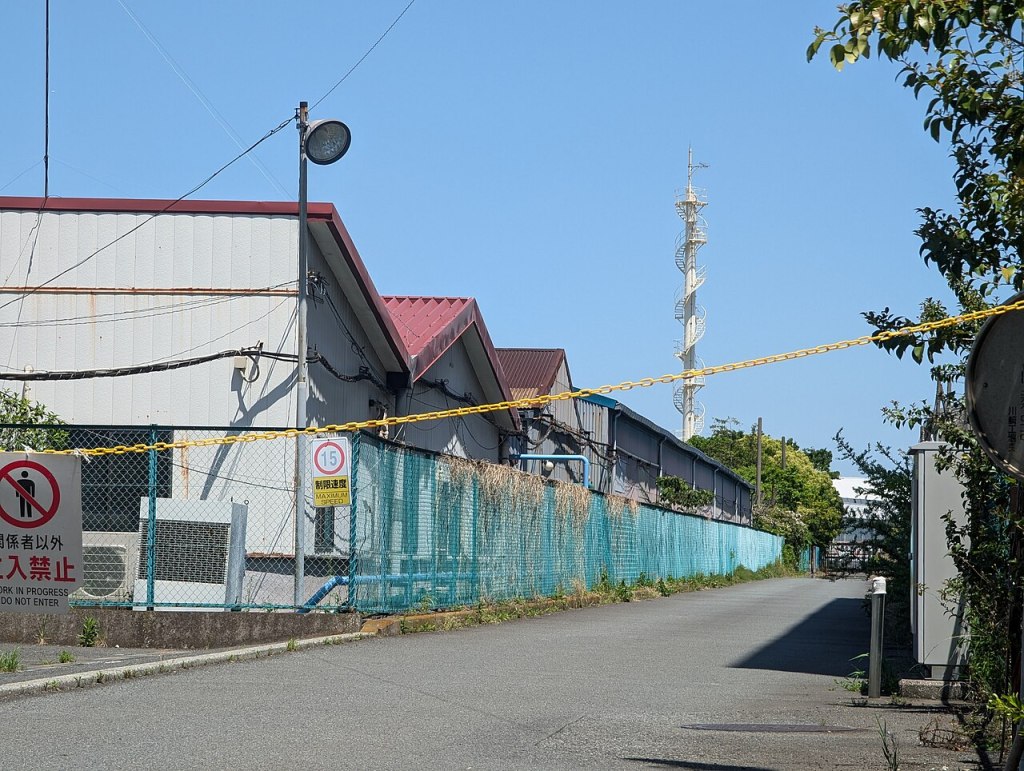
- The second is the industrial landscape. The waterfront of Kawasaki is a working port and a strip of factories, refineries and power stations, and at night the lights, the steam and the reflections on the water make a strange and beautiful scene. The boat tours from the river and the viewing points on the shore are the way to see it.
- The third is the ordinary city. Kawasaki has a cluster of museums, a large park along the Tama river, and a food scene of the sort that a big working city produces, with the noodles, the grilled meat and the cheap izakaya. It is not a tourist town, and that is the appeal.
Top places and highlights
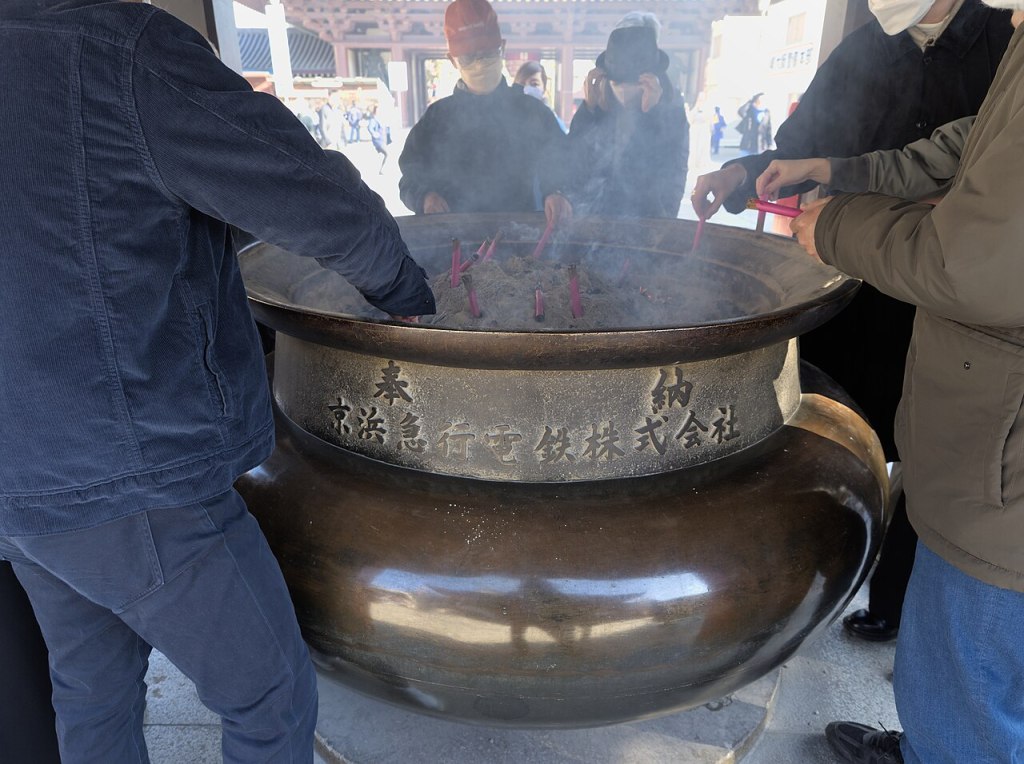
Kawasaki Daishi
The temple is the head of the Chizan school, founded in the twelfth century, with a main hall, a five-storey pagoda and a market street of shops, and it is busy with the New Year and the Daruma fair. It is the historic centre of the city. The precinct is large and shaded.
The Daruma fair
The January fair sells the daruma dolls, the round figures of the deity of perseverance, in every size, and the stalls run along the approach to the temple. It is one of the largest of its kind in Japan. The crowds are heavy.
The industrial night view
The waterfront factories, refineries and power stations are lit at night, with the steam and the reflections on the water, and the scene is one of the industrial spectacles of Japan. The boat tours and the shore viewpoints are the way to see it. The best time is after dark on a clear night.
The Tama river
The river forms the border with Tokyo, with the wide banks, the paths and the parks along it, and the cycling and the walks are good. The blossom in spring is a local event. The view of the factories and the hills is the background.
The museums
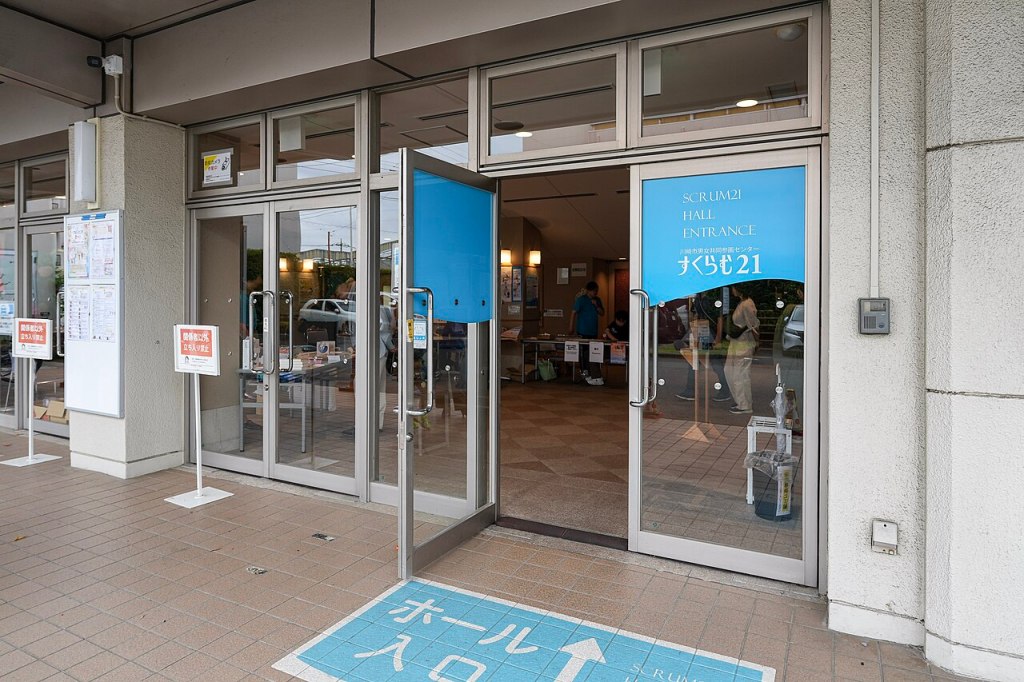
The city has a museum of the local history, a science museum for children and a small art gallery, and they are quiet and cheap. They are aimed at the local families. The history museum explains the industrial growth.
The food
The city has the food of a working place: the ramen, the grilled meat, the cheap izakaya and the bakeries, with the Korean and the Chinese communities adding their own. The prices are lower than central Tokyo. The eating is the reason to stay an evening.
The access
The city is on the Tokaido line and the Tokyu lines, with Tokyo and Yokohama within twenty minutes, and the Haneda airport is close. The transport is the reason it is a practical base. The combination with the two cities is easy.
Food and drink
- The ramen and the grilled meat are the everyday food of the city.
- The izakaya around the stations are cheap and lively.
- The Korean and Chinese communities have their own restaurants in the wards.
- The temple street has the sweet shops and the traditional snacks.
- The bakeries and the coffee shops are good value.
Getting there and around
- Kawasaki is about twenty minutes from Tokyo and ten from Yokohama by the Tokaido line.
- The city is on the Tokyu lines, with connections to the west and the south.
- Haneda airport is about thirty minutes away by train.
- The temple is a short bus or walk from Kawasaki station.
- The industrial waterfront is reached by bus or car, and the boat tours leave from the river.
Where to stay
- Business hotels around the stations are the practical choice.
- Tokyo and Yokohama have the wider choice and are minutes away.
- The hotels near the airport are useful for an early flight.
- Book ahead for the New Year and the Daruma fair.
Best time to visit
- Spring is mild, with blossom along the Tama river.
- Summer is hot and humid, with the river and the parks at their best.
- Autumn is clear and cool, the best season for the temple and the night view.
- Winter is cold and dry, with the New Year crowds at the temple.
Practical tips
- The temple is free and open; the Daruma fair is in January.
- The industrial area is a working site; do not enter it.
- The night view needs a clear night and a boat or a car.
- The city is busy at rush hour; travel mid-morning if you can.
- The food is best around the stations, where the local people eat.
- Combine the visit with Tokyo and Yokohama, which are minutes away.
Suggested day-trip outline
- Morning: the train from Tokyo or Yokohama to Kawasaki.
- Late morning: the Kawasaki Daishi temple and the market street.
- Lunch: ramen or a set meal near the station.
- Afternoon: the Tama river and the museums.
- Late afternoon: the waterfront and the factory view.
- Evening: dinner in the city, or the industrial night view by boat.
Before you go
Timetables, fares, admission fees, and seasonal access rules can change. Check the official tourism and transport sites linked below for the latest information before you travel.
Explore More of Japan
Published guides that pair with this one:
- Ikebukuro Travel Guide: The Other Big Tokyo Station District
- Kichijoji Travel Guide: Inokashira Park and Harmonica Alley
- Shinjuku Travel Guide: Shinjuku Gyoen, Kabukicho and the Old Lanes
- Yokosuka Travel Guide: The Battleship Mikasa, Sarushima and Navy Curry
- Miura Peninsula Travel Guide: Jogashima, Misaki Tuna and the Coast
Browse every Kanto guide on this site for the rest of the region.
Sources
- city.kawasaki.jp (checked 2026-11-06)
- gotokyo.org (checked 2026-11-06)


Leave a Reply