A practical English guide to Setana in southern Hokkaido: the Japan Sea coast, the Kitahiyama onsen, the cliffs and access from Hakodate and Sapporo.
Operational details such as opening hours, admission fees, and train times can change. Prefer official pages and reconfirm before you travel (sources checked on 07 November 2026).
Why visit
- Setana is a long, thin town on the Japan Sea coast of southern Hokkaido, west of Hakodate, and it is one of the quietest stretches of the island. The coast road runs between the cliffs and the sea, with fishing ports, small beaches and the mountains behind, and the town is made of villages strung along it.
- The coast is the attraction. The shoreline has cliffs, sea stacks and rock formations, with the clear, cold water of the Japan Sea and the sunsets that are the local spectacle, and the road follows it for miles. The area is known for the Shimamaki and the Setana coasts, with the walking and the photography.
- The second is the hot spring. The Kitahiyama onsen is a simple spa in the hills above the coast, with a bath and a few inns, and the water is clear and warm. It is a local place rather than a resort, and the combination with the coast makes a quiet night.
- The third is the food and the pace. The ports land squid, salmon and the fish of the cold sea, and the restaurants serve them plainly, with the local potatoes and the dairy. The pace is slow, and a car is essential, but the drive along the coast is one of the best in Hokkaido.
Top places and highlights
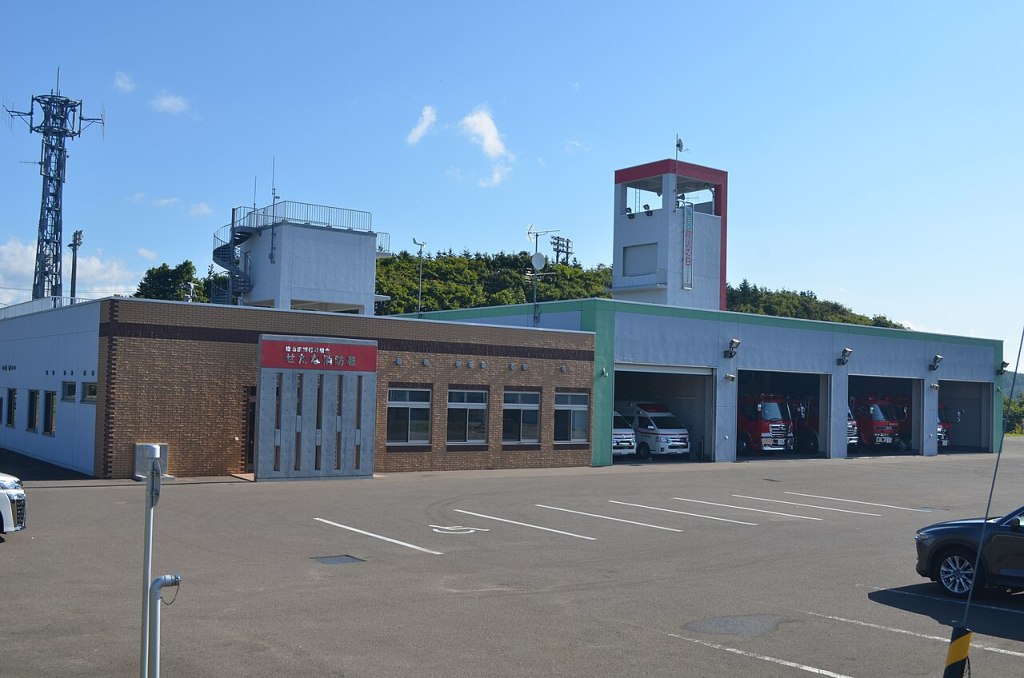
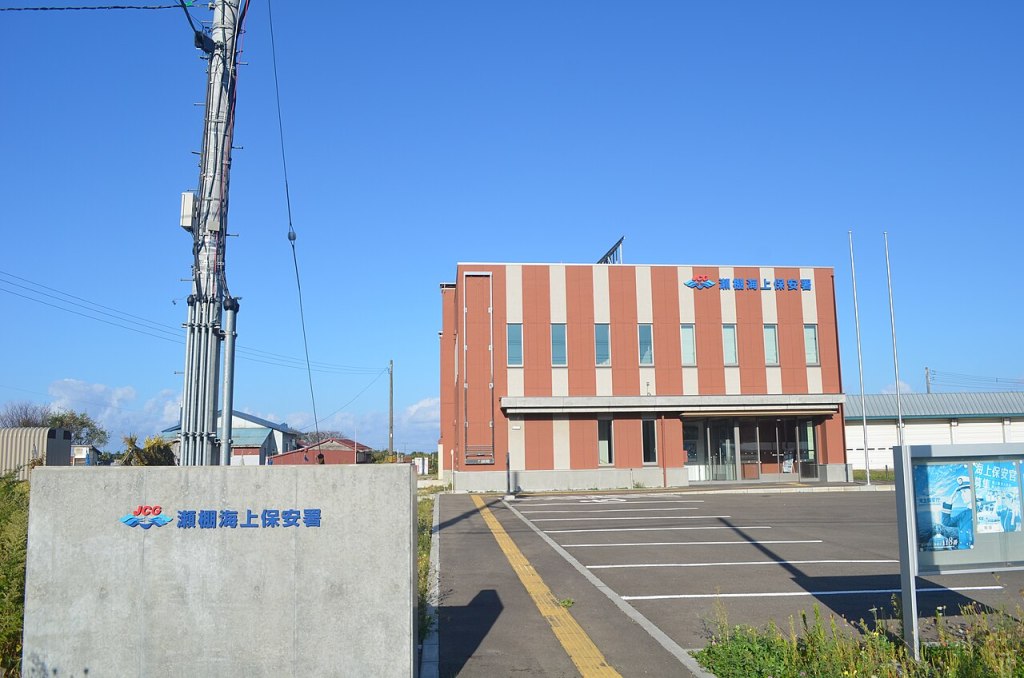
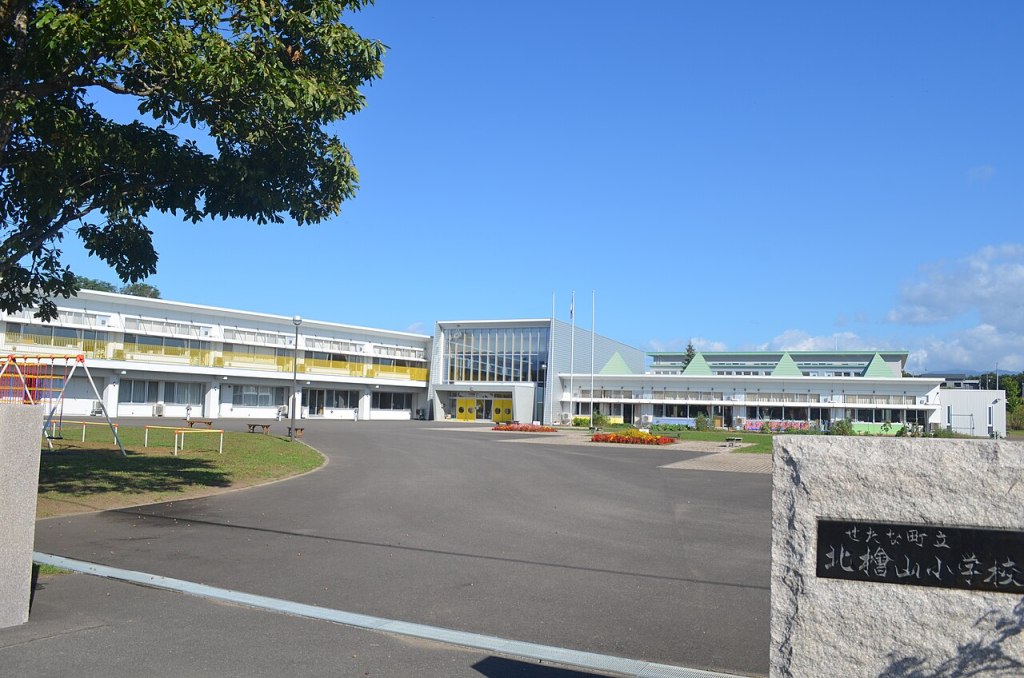
The Setana coast
The shoreline has cliffs, sea stacks and rock formations, with the clear, cold water and the sunsets, and the road follows it for miles. The walking and the photography are the attraction. The light in the evening is the best.
The Kitahiyama onsen
The hot spring in the hills above the coast has a simple bath and a few inns, with clear, warm water. It is a local place rather than a resort. It is the comfortable stop on the coast road.
The fishing ports
The small ports along the coast land squid, salmon and the fish of the cold sea, with the boats and the drying racks, and the morning is the time to see them. The restaurants serve the catch. The pace is slow.
The cliffs and the sea stacks
The rock formations along the shore are the result of the waves and the geology, with the stacks standing in the water and the cliffs behind. The viewpoints are marked. The sunset is the best time.
The mountains behind
The hills rise immediately behind the coast, with the forest, the ski areas and the small villages, and the views back over the sea are constant. The drives up the valleys are quiet. The autumn colour is fine.
The local food
The squid, the salmon and the potatoes of the region are the local food, served plainly in the port restaurants, with the dairy and the cheese. The prices are low. The food is the honest cooking of the coast.
The drive from Hakodate
The coast road from Hakodate runs through the mountains and the villages, with the sea on one side, and the drive takes a few hours with stops. It is one of the best in Hokkaido. The trains are slow and infrequent.
Food and drink
- The squid and the salmon of the Japan Sea are served at the port restaurants.
- The potatoes, the dairy and the cheese of the region are the local produce.
- The seafood bowls and the grilled fish are the plain local meals.
- The local sake and the shochu are worth trying.
- The farm stands sell the vegetables and the fruit in season.
Getting there and around
- Setana is on the JR Hakodate main line, with the slow local trains along the coast.
- A car is the practical way to follow the coast and reach the onsen.
- The drive from Hakodate takes about two hours, and from Sapporo about four.
- The roads are narrow and winding in places; allow more time than the distance suggests.
- The buses are very limited, and the timetable sets the day.
Where to stay
- The onsen inns at Kitahiyama are the main accommodation, with meals and baths.
- A few minshuku operate in the ports and the villages.
- Hakodate has the larger hotels and is two hours away.
- Book ahead in summer, when the coast road is at its best.
Best time to visit
- Spring is late, with snow on the hills into April.
- Summer is cool and green, the best season for the coast and the drive.
- Autumn is clear and cool, with the colour and the good light.
- Winter is cold and snowy, with rough seas and the onsen at their best.
Practical tips
- A car is essential; the trains and the buses are very limited.
- The coast road is narrow; drive slowly and watch for the fishing traffic.
- The onsen water is hot; rinse afterwards.
- The restaurants are few and close early.
- Cash is needed at the ports and the small inns.
- The winter roads are snowy and icy; check the conditions.
Suggested day-trip outline
- Morning: the drive from Hakodate along the coast.
- Late morning: the Setana coast and the viewpoints.
- Lunch: a seafood bowl at a port restaurant.
- Afternoon: the cliffs and the fishing villages.
- Late afternoon: the Kitahiyama onsen.
- Evening: dinner at the inn, or the drive back.
Before you go
Timetables, fares, admission fees, and seasonal access rules can change. Check the official tourism and transport sites linked below for the latest information before you travel.
Explore More of Japan
Published guides that pair with this one:
- Bihoro Travel Guide: The Pass Above the Akan Caldera
- Hokuto Travel Guide: The Trappist Monastery and the Ono River
- Takinoue Travel Guide: The Moss Phlox Hills of Northern Hokkaido
- Wakkanai Travel Guide: Japan’s Northernmost City and Cape Soya
- Shakotan Peninsula and Cape Kamui: Hokkaido’s Clear-Water Coast
Browse every Hokkaido guide on this site for the rest of the region.
Sources
- town.setana.lg.jp (checked 2026-11-07)
- visit-hokkaido.jp (checked 2026-11-07)


Leave a Reply