A practical English guide to Kashihara in Nara: the Kashihara Jingu shrine, the site of Japan’s ancient capital and access from Osaka, Kyoto and Nara.
Operational details such as opening hours, admission fees, and train times can change. Prefer official pages and reconfirm before you travel (sources checked on 07 November 2026).
Why visit
- Kashihara is a city in southern Nara Prefecture that sits on top of one of the most important layers of Japanese history. This was the area of the early Japanese state: the Fujiwara capital was established here in the seventh century, and the surrounding plain is full of burial mounds, temple sites and shrines.
- The centrepiece for visitors is Kashihara Jingu, a large shrine founded in the late nineteenth century and dedicated to the legendary first emperor, Jimmu. It stands at the foot of Mount Unebi, with wide gravel precincts and a calm that is very different from the busier shrines of Kyoto and Nara.
- Kashihara is also a practical base for the Asuka region, where the oldest temples and the strangest stone monuments in Japan are spread across a rural valley a short train ride away.
Top places and highlights
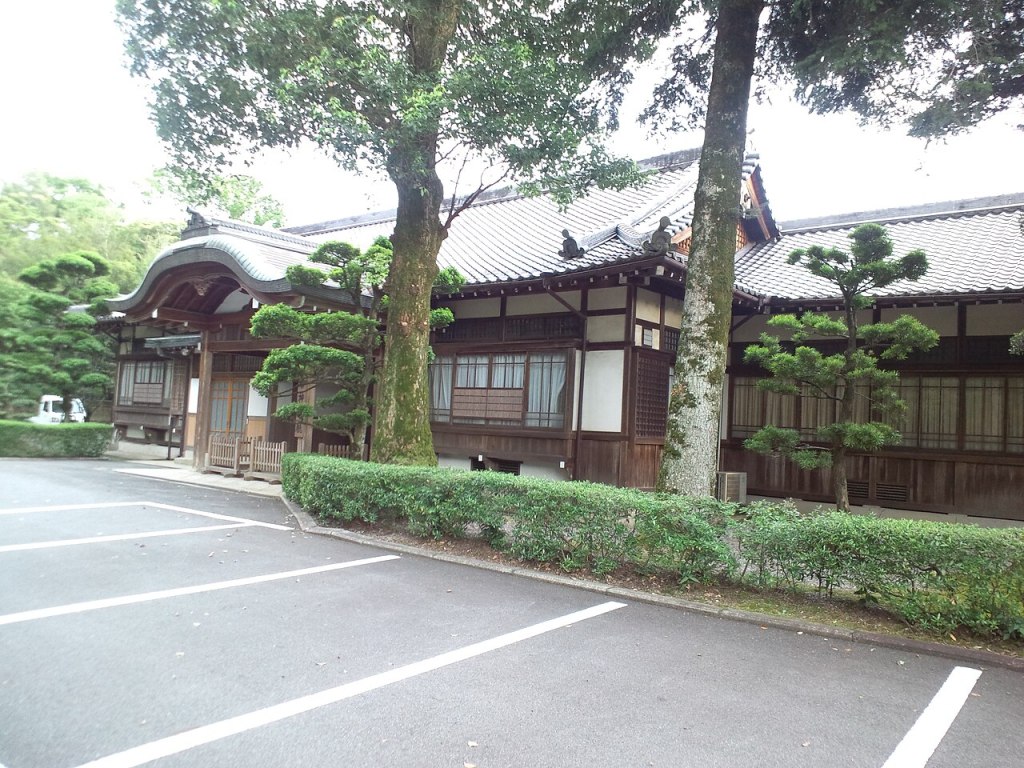
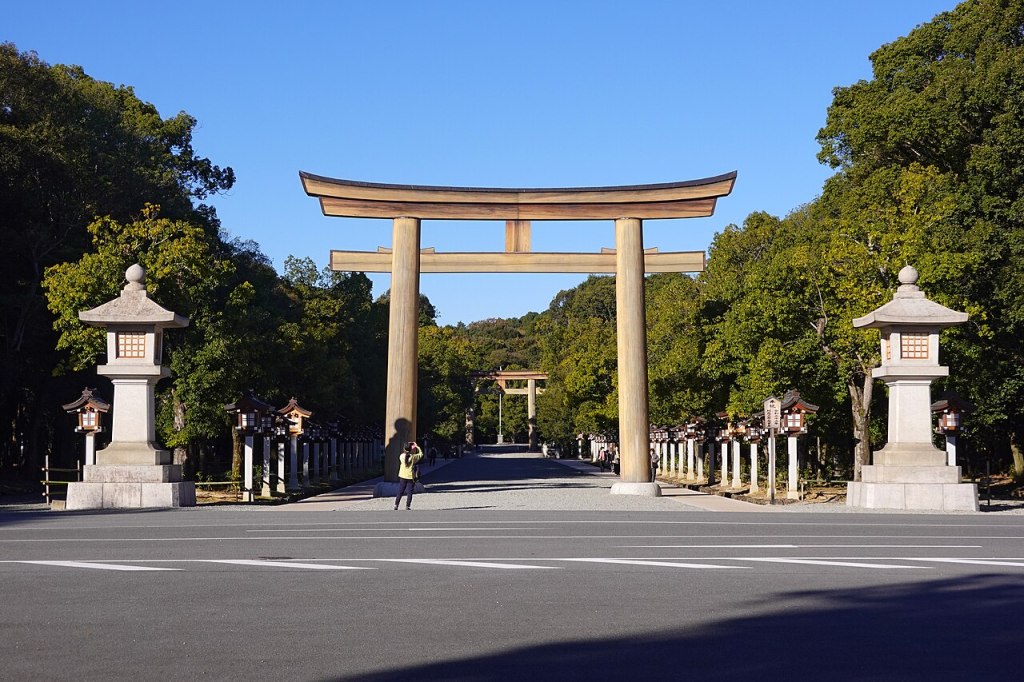
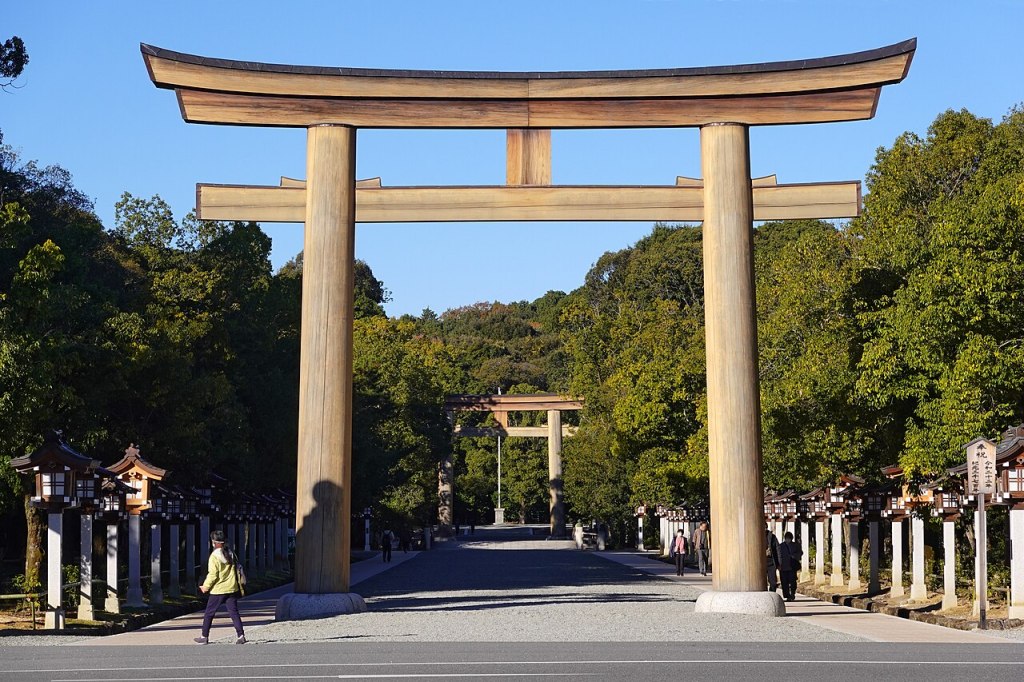
Kashihara Jingu
A large modern shrine with wide precincts, at the foot of Mount Unebi.
Fujiwara capital site
The excavated grid of Japan’s ancient capital, with a small museum.
Asuka access
The Asuka valley and its early temples and stone monuments are close by.
Burial mounds
Some of the largest ancient tombs in Japan are in the surrounding plain.
Food and drink
- N
- a
- r
- a
- c
- o
- o
- k
- i
- n
- g
- i
- s
- s
- i
- m
- p
- l
- e
- a
- n
- d
- s
- e
- a
- s
- o
- n
- a
- l
- :
- v
- e
- g
- e
- t
- a
- b
- l
- e
- s
- ,
- p
- e
- r
- s
- i
- m
- m
- o
- n
- –
- l
- e
- a
- f
- s
- u
- s
- h
- i
- ,
- s
- o
- m
- e
- n
- a
- n
- d
- l
- o
- c
- a
- l
- s
- a
- k
- e
- .
- K
- a
- s
- h
- i
- h
- a
- r
- a
- h
- a
- s
- a
- g
- o
- o
- d
- r
- a
- n
- g
- e
- o
- f
- e
- v
- e
- r
- y
- d
- a
- y
- r
- e
- s
- t
- a
- u
- r
- a
- n
- t
- s
- a
- r
- o
- u
- n
- d
- t
- h
- e
- s
- t
- a
- t
- i
- o
- n
- s
- ,
- a
- n
- d
- t
- h
- e
- s
- h
- r
- i
- n
- e
- a
- r
- e
- a
- h
- a
- s
- c
- a
- f
- e
- s
- .
Getting there and around
- K
- a
- s
- h
- i
- h
- a
- r
- a
- i
- s
- s
- e
- r
- v
- e
- d
- b
- y
- K
- i
- n
- t
- e
- t
- s
- u
- l
- i
- n
- e
- s
- f
- r
- o
- m
- O
- s
- a
- k
- a
- ,
- K
- y
- o
- t
- o
- a
- n
- d
- N
- a
- r
- a
- ,
- a
- n
- d
- b
- y
- J
- R
- f
- r
- o
- m
- N
- a
- r
- a
- a
- n
- d
- T
- e
- n
- n
- o
- j
- i
- .
- K
- a
- s
- h
- i
- h
- a
- r
- a
- j
- i
- n
- g
- u
- –
- m
- a
- e
- S
- t
- a
- t
- i
- o
- n
- o
- n
- t
- h
- e
- K
- i
- n
- t
- e
- t
- s
- u
- l
- i
- n
- e
- i
- s
- t
- h
- e
- c
- l
- o
- s
- e
- s
- t
- t
- o
- t
- h
- e
- s
- h
- r
- i
- n
- e
- ,
- a
- n
- d
- t
- h
- e
- A
- s
- u
- k
- a
- a
- r
- e
- a
- i
- s
- a
- f
- e
- w
- s
- t
- o
- p
- s
- f
- u
- r
- t
- h
- e
- r
- s
- o
- u
- t
- h
- .
Where to stay
- A
- c
- c
- o
- m
- m
- o
- d
- a
- t
- i
- o
- n
- i
- s
- m
- o
- s
- t
- l
- y
- b
- u
- s
- i
- n
- e
- s
- s
- h
- o
- t
- e
- l
- s
- a
- r
- o
- u
- n
- d
- t
- h
- e
- s
- t
- a
- t
- i
- o
- n
- s
- ,
- w
- i
- t
- h
- m
- o
- r
- e
- c
- h
- o
- i
- c
- e
- i
- n
- N
- a
- r
- a
- a
- n
- d
- O
- s
- a
- k
- a
- .
- M
- o
- s
- t
- t
- r
- a
- v
- e
- l
- l
- e
- r
- s
- v
- i
- s
- i
- t
- a
- s
- a
- d
- a
- y
- t
- r
- i
- p
- .
Best time to visit
- S
- p
- r
- i
- n
- g
- a
- n
- d
- a
- u
- t
- u
- m
- n
- a
- r
- e
- t
- h
- e
- m
- o
- s
- t
- c
- o
- m
- f
- o
- r
- t
- a
- b
- l
- e
- a
- n
- d
- t
- h
- e
- m
- o
- s
- t
- p
- o
- p
- u
- l
- a
- r
- .
- S
- u
- m
- m
- e
- r
- i
- s
- h
- o
- t
- a
- n
- d
- h
- u
- m
- i
- d
- .
- W
- i
- n
- t
- e
- r
- i
- s
- c
- o
- l
- d
- a
- n
- d
- q
- u
- i
- e
- t
- ,
- w
- i
- t
- h
- c
- l
- e
- a
- r
- d
- a
- y
- s
- a
- n
- d
- f
- e
- w
- v
- i
- s
- i
- t
- o
- r
- s
- .
Practical tips
- The shrine precinct is large and exposed; bring water in summer.
- Check museum opening days at the Fujiwara capital site.
- The Asuka area is best covered by bicycle or bus; services are limited.
Suggested day-trip outline
- Morning: train from Osaka or Nara to Kashiharajingu-mae.
- Late morning: Kashihara Jingu and Mount Unebi.
- Lunch: a local restaurant near the station.
- Afternoon: the Fujiwara capital site and museum.
- Late afternoon: on to Asuka, or back to Nara.
- Evening: dinner in Nara or Osaka.
Before you go
Timetables, fares, admission fees, and seasonal access rules can change. Check the official tourism and transport sites linked below for the latest information before you travel.
Explore More of Japan
Published guides that pair with this one:
- Sakurai Travel Guide: Omiwa Shrine and the Tombs of Early Japan
- Asuka Travel Guide: The Birthplace of Japan in a Nara Valley
- Shingu Travel Guide: Kumano Hayatama Taisha and the River Road
- Ise Jingu Travel Guide: Naiku, Geku and the Pilgrim Streets of Ise
- Azuchi Travel Guide: Nobunaga’s Castle and the Lake Shore
Browse every Kansai guide on this site for the rest of the region.
Sources
- city.kashihara.nara.jp (checked 2026-11-07)
- pref.nara.jp (checked 2026-11-07)


Leave a Reply