A practical English guide to Rikubetsu in Hokkaido: the record cold, the star observatory, the onsen and access from Kitami and Obihiro.
Operational details such as opening hours, admission fees, and train times can change. Prefer official pages and reconfirm before you travel (sources checked on 07 November 2026).
Why visit
- Rikubetsu is a small town in the interior of eastern Hokkaido, and it holds a national record: the lowest temperature ever measured in Japan, recorded here in 1902. That number has become the town’s identity, and the cold is real, with winter temperatures that stay far below freezing for months.
- The same dry, clear air that makes the cold also makes the night sky exceptional. The town has a public astronomical observatory, and on winter nights the stars and the Milky Way are visible with a clarity that is hard to find anywhere else in the country.
- Rikubetsu is farming and forestry country, with dairy farms and a small hot spring, and it is a place to experience the interior of Hokkaido rather than its famous landscapes.
Top places and highlights
Cold record
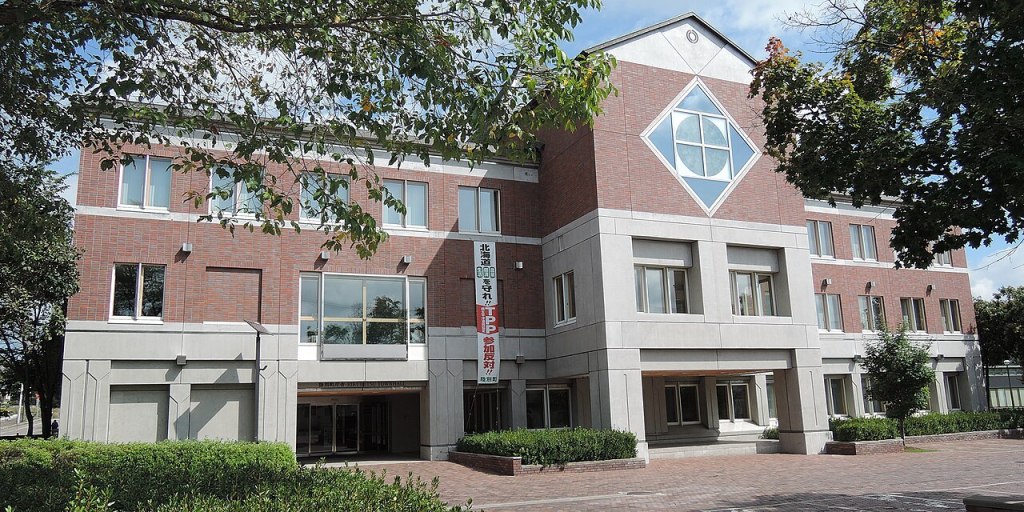
The town’s place in Japanese weather history, marked and explained locally.
Public observatory
A small observatory with telescopes and clear night skies.
Hot spring
A local onsen, welcome after a winter day outside.
Farms and forests
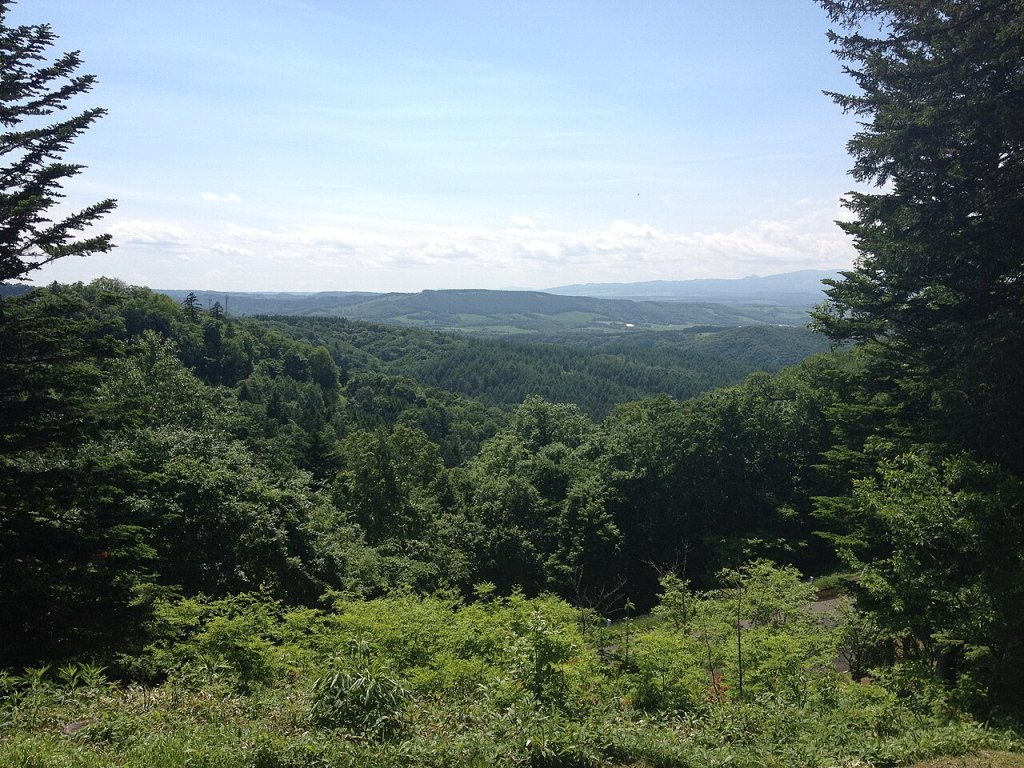
Dairy country and woodland roads in the interior of eastern Hokkaido.
Food and drink
- H
- o
- k
- k
- a
- i
- d
- o
- f
- a
- r
- m
- f
- o
- o
- d
- i
- s
- t
- h
- e
- s
- t
- a
- p
- l
- e
- :
- m
- i
- l
- k
- ,
- c
- h
- e
- e
- s
- e
- ,
- b
- u
- t
- t
- e
- r
- a
- n
- d
- v
- e
- g
- e
- t
- a
- b
- l
- e
- s
- ,
- w
- i
- t
- h
- l
- o
- c
- a
- l
- m
- e
- a
- t
- a
- n
- d
- f
- i
- s
- h
- f
- r
- o
- m
- t
- h
- e
- O
- k
- h
- o
- t
- s
- k
- c
- o
- a
- s
- t
- .
- T
- h
- e
- t
- o
- w
- n
- h
- a
- s
- a
- f
- e
- w
- s
- m
- a
- l
- l
- r
- e
- s
- t
- a
- u
- r
- a
- n
- t
- s
- a
- n
- d
- a
- s
- h
- o
- p
- o
- r
- t
- w
- o
- ,
- s
- o
- p
- l
- a
- n
- m
- e
- a
- l
- s
- a
- r
- o
- u
- n
- d
- t
- h
- e
- i
- n
- n
- .
Getting there and around
- R
- i
- k
- u
- b
- e
- t
- s
- u
- i
- s
- o
- n
- t
- h
- e
- S
- e
- k
- i
- h
- o
- k
- u
- l
- i
- n
- e
- ,
- r
- e
- a
- c
- h
- e
- d
- f
- r
- o
- m
- A
- s
- a
- h
- i
- k
- a
- w
- a
- a
- n
- d
- K
- i
- t
- a
- m
- i
- ,
- a
- n
- d
- b
- y
- r
- o
- a
- d
- o
- n
- r
- o
- u
- t
- e
- 2
- 4
- 2
- a
- n
- d
- t
- h
- e
- D
- o
- t
- o
- e
- x
- p
- r
- e
- s
- s
- w
- a
- y
- .
- T
- h
- e
- t
- o
- w
- n
- i
- s
- s
- m
- a
- l
- l
- a
- n
- d
- w
- a
- l
- k
- a
- b
- l
- e
- ,
- b
- u
- t
- t
- h
- e
- o
- b
- s
- e
- r
- v
- a
- t
- o
- r
- y
- a
- n
- d
- t
- h
- e
- s
- u
- r
- r
- o
- u
- n
- d
- i
- n
- g
- f
- a
- r
- m
- s
- n
- e
- e
- d
- a
- c
- a
- r
- o
- r
- t
- a
- x
- i
- .
Where to stay
- A
- c
- c
- o
- m
- m
- o
- d
- a
- t
- i
- o
- n
- i
- s
- l
- i
- m
- i
- t
- e
- d
- t
- o
- a
- f
- e
- w
- i
- n
- n
- s
- a
- n
- d
- g
- u
- e
- s
- t
- h
- o
- u
- s
- e
- s
- ,
- s
- o
- m
- e
- w
- i
- t
- h
- o
- n
- s
- e
- n
- .
- B
- o
- o
- k
- a
- h
- e
- a
- d
- i
- n
- w
- i
- n
- t
- e
- r
- a
- n
- d
- a
- r
- o
- u
- n
- d
- t
- h
- e
- s
- t
- a
- r
- –
- v
- i
- e
- w
- i
- n
- g
- s
- e
- a
- s
- o
- n
- .
Best time to visit
- W
- i
- n
- t
- e
- r
- i
- s
- t
- h
- e
- d
- e
- f
- i
- n
- i
- n
- g
- s
- e
- a
- s
- o
- n
- :
- v
- e
- r
- y
- c
- o
- l
- d
- ,
- v
- e
- r
- y
- c
- l
- e
- a
- r
- ,
- w
- i
- t
- h
- d
- e
- e
- p
- s
- n
- o
- w
- .
- S
- u
- m
- m
- e
- r
- i
- s
- s
- h
- o
- r
- t
- ,
- g
- r
- e
- e
- n
- a
- n
- d
- m
- i
- l
- d
- .
- A
- u
- t
- u
- m
- n
- i
- s
- b
- r
- i
- e
- f
- a
- n
- d
- c
- l
- e
- a
- r
- .
- S
- p
- r
- i
- n
- g
- a
- r
- r
- i
- v
- e
- s
- l
- a
- t
- e
- a
- n
- d
- i
- s
- m
- u
- d
- d
- y
- .
Practical tips
- Winter temperatures are extreme; bring proper clothing and check vehicle conditions.
- The observatory has limited opening days and hours.
- Shops and restaurants close early; do not arrive without supplies.
Suggested day-trip outline
- Morning: train or drive into the interior.
- Late morning: the town and the cold-record marker.
- Lunch: a local set meal or the inn.
- Afternoon: a drive through the farms and forest.
- Late afternoon: an onsen.
- Evening: the observatory and the night sky.
Before you go
Timetables, fares, admission fees, and seasonal access rules can change. Check the official tourism and transport sites linked below for the latest information before you travel.
Explore More of Japan
Published guides that pair with this one:
- Eniwa Travel Guide: Forest Valleys South of Sapporo
- Setana Travel Guide: The Quiet Coast of Southern Hokkaido
- Sobetsu Travel Guide: Hot Springs Below an Active Volcano
- Takinoue Travel Guide: The Moss Phlox Hills of Northern Hokkaido
- Kamifurano Travel Guide: Lavender Fields and Tokachi Views
Browse every Hokkaido guide on this site for the rest of the region.
Sources
- rikubetsu.jp (checked 2026-11-07)
- visit-hokkaido.jp (checked 2026-11-07)


Leave a Reply