A practical English guide to Hashimoto in Wakayama: the river country, the old streets and access from Osaka and Wakayama.
Operational details such as opening hours, admission fees, and train times can change. Prefer official pages and reconfirm before you travel (sources checked on 08 November 2026).
Why visit
- Hashimoto is a city in northern Wakayama, where the Kinokawa river comes down from the mountains towards Wakayama city. It is a market town and a railway junction, and it sits on the border with Nara and Osaka, which gives it a sense of being on the edge of several regions.
- The city is quiet and practical, with temples, old streets and a landscape of river, fields and hills. It is not a major tourist destination, but it is a good stop on the way to Koyasan or the Wakayama coast, and a place to see the ordinary life of the Kinokawa valley.
- Hashimoto is on the JR Wakayama line and the Nankai Koya line, which makes it easy to reach from Osaka and Wakayama, and a practical base for the northern part of the prefecture.
Top places and highlights
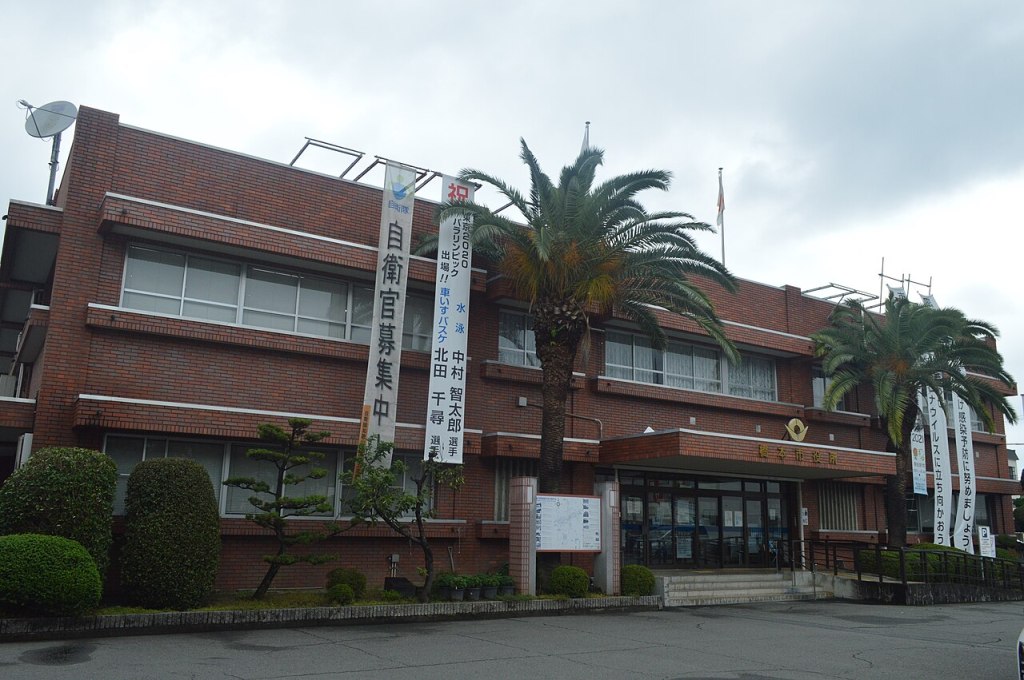
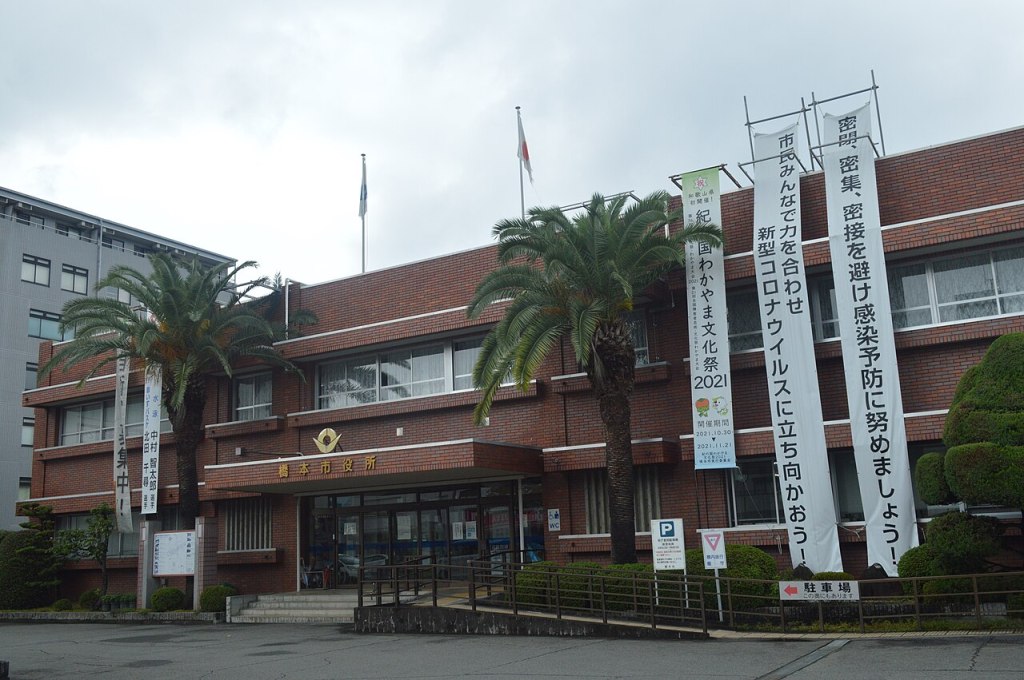
River country
The Kinokawa river and its fields, with walks along the banks.
Old streets
Temples and shops in the historic core.
Railway junction
Lines towards Osaka, Wakayama and Koyasan.
Hills and valleys
Quiet roads into the mountains of Wakayama and Nara.
Food and drink
- W
- a
- k
- a
- y
- a
- m
- a
- f
- o
- o
- d
- i
- s
- f
- r
- u
- i
- t
- a
- n
- d
- f
- i
- s
- h
- :
- c
- i
- t
- r
- u
- s
- ,
- u
- m
- e
- b
- o
- s
- h
- i
- ,
- p
- e
- r
- s
- i
- m
- m
- o
- n
- s
- a
- n
- d
- s
- e
- a
- f
- o
- o
- d
- .
- H
- a
- s
- h
- i
- m
- o
- t
- o
- h
- a
- s
- s
- m
- a
- l
- l
- r
- e
- s
- t
- a
- u
- r
- a
- n
- t
- s
- n
- e
- a
- r
- t
- h
- e
- s
- t
- a
- t
- i
- o
- n
- s
- ,
- a
- n
- d
- t
- h
- e
- s
- h
- o
- p
- s
- s
- e
- l
- l
- l
- o
- c
- a
- l
- p
- r
- o
- d
- u
- c
- e
- .
Getting there and around
- H
- a
- s
- h
- i
- m
- o
- t
- o
- i
- s
- o
- n
- t
- h
- e
- J
- R
- W
- a
- k
- a
- y
- a
- m
- a
- l
- i
- n
- e
- a
- n
- d
- t
- h
- e
- N
- a
- n
- k
- a
- i
- K
- o
- y
- a
- l
- i
- n
- e
- ,
- a
- r
- o
- u
- n
- d
- a
- n
- h
- o
- u
- r
- f
- r
- o
- m
- O
- s
- a
- k
- a
- a
- n
- d
- f
- o
- r
- t
- y
- m
- i
- n
- u
- t
- e
- s
- f
- r
- o
- m
- W
- a
- k
- a
- y
- a
- m
- a
- ,
- a
- n
- d
- i
- s
- r
- e
- a
- c
- h
- e
- d
- b
- y
- r
- o
- a
- d
- o
- n
- r
- o
- u
- t
- e
- 2
- 4
- a
- n
- d
- t
- h
- e
- K
- e
- i
- n
- a
- w
- a
- e
- x
- p
- r
- e
- s
- s
- w
- a
- y
- .
- T
- h
- e
- c
- e
- n
- t
- r
- e
- i
- s
- w
- a
- l
- k
- a
- b
- l
- e
- f
- r
- o
- m
- t
- h
- e
- s
- t
- a
- t
- i
- o
- n
- s
- .
Where to stay
- A
- c
- c
- o
- m
- m
- o
- d
- a
- t
- i
- o
- n
- i
- s
- l
- i
- m
- i
- t
- e
- d
- t
- o
- b
- u
- s
- i
- n
- e
- s
- s
- h
- o
- t
- e
- l
- s
- a
- n
- d
- s
- m
- a
- l
- l
- i
- n
- n
- s
- ,
- w
- i
- t
- h
- m
- o
- r
- e
- c
- h
- o
- i
- c
- e
- i
- n
- O
- s
- a
- k
- a
- a
- n
- d
- W
- a
- k
- a
- y
- a
- m
- a
- .
- M
- o
- s
- t
- v
- i
- s
- i
- t
- o
- r
- s
- c
- o
- m
- e
- a
- s
- a
- s
- t
- o
- p
- o
- r
- a
- d
- a
- y
- t
- r
- i
- p
- .
Best time to visit
- S
- p
- r
- i
- n
- g
- a
- n
- d
- a
- u
- t
- u
- m
- n
- a
- r
- e
- t
- h
- e
- m
- o
- s
- t
- c
- o
- m
- f
- o
- r
- t
- a
- b
- l
- e
- .
- S
- u
- m
- m
- e
- r
- i
- s
- h
- o
- t
- a
- n
- d
- h
- u
- m
- i
- d
- .
- W
- i
- n
- t
- e
- r
- i
- s
- c
- o
- o
- l
- ,
- w
- i
- t
- h
- c
- l
- e
- a
- r
- d
- a
- y
- s
- .
Practical tips
- The city is spread along the river; a bus or taxi helps.
- Some temples close outside festival days.
- Koyasan trains can be crowded in autumn.
Suggested day-trip outline
- Morning: train from Osaka or Wakayama.
- Late morning: the old streets and the temples.
- Lunch: a local restaurant near the station.
- Afternoon: a walk along the river.
- Late afternoon: a drive into the hills, or on to Koyasan.
- Evening: dinner in town, or back to Osaka.
Before you go
Timetables, fares, admission fees, and seasonal access rules can change. Check the official tourism and transport sites linked below for the latest information before you travel.
Explore More of Japan
Published guides that pair with this one:
- Yuasa Travel Guide: Soy Sauce and Old Streets in Wakayama
- Shingu Travel Guide: Kumano Hayatama Taisha and the River Road
- Ayabe Travel Guide: A Shrine Town in Rural Kyoto
- Gobo Travel Guide: Plums and the Coast in Wakayama
- Iga Travel Guide: Ninja Country in Mie
Browse every Kansai guide on this site for the rest of the region.
Sources
- city.hashimoto.lg.jp (checked 2026-11-08)
- wakayama-kanko.or.jp (checked 2026-11-08)


Leave a Reply