A practical English guide to Nayoro in Hokkaido: the station, the museum and access from Asahikawa and Wakkanai.
Operational details such as opening hours, admission fees, and train times can change. Prefer official pages and reconfirm before you travel (sources checked on 08 November 2026).
Why visit
- Nayoro is a city in the far north of Hokkaido, on the Teshio river, halfway between Asahikawa and Wakkanai. It is a farming and forestry town, and it has the wide, open quality of the northern interior, with long streets, big skies and snow that lasts for months.
- The city is a practical stop on the northern line, with a station, a museum and hot springs, and it is a base for the surrounding country: the Teshio river, the forests and the mountains that run up to the Okhotsk coast.
- Nayoro is not a resort, but it is a good place to see how the north works, and it breaks up the long journey between the centre of Hokkaido and the far north.
Top places and highlights
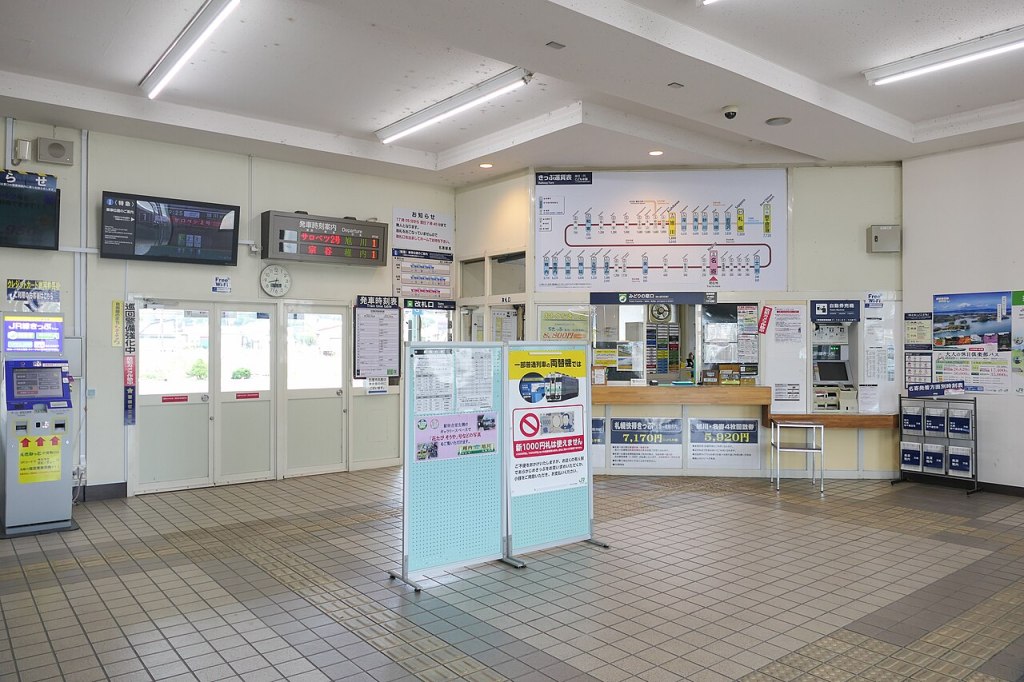
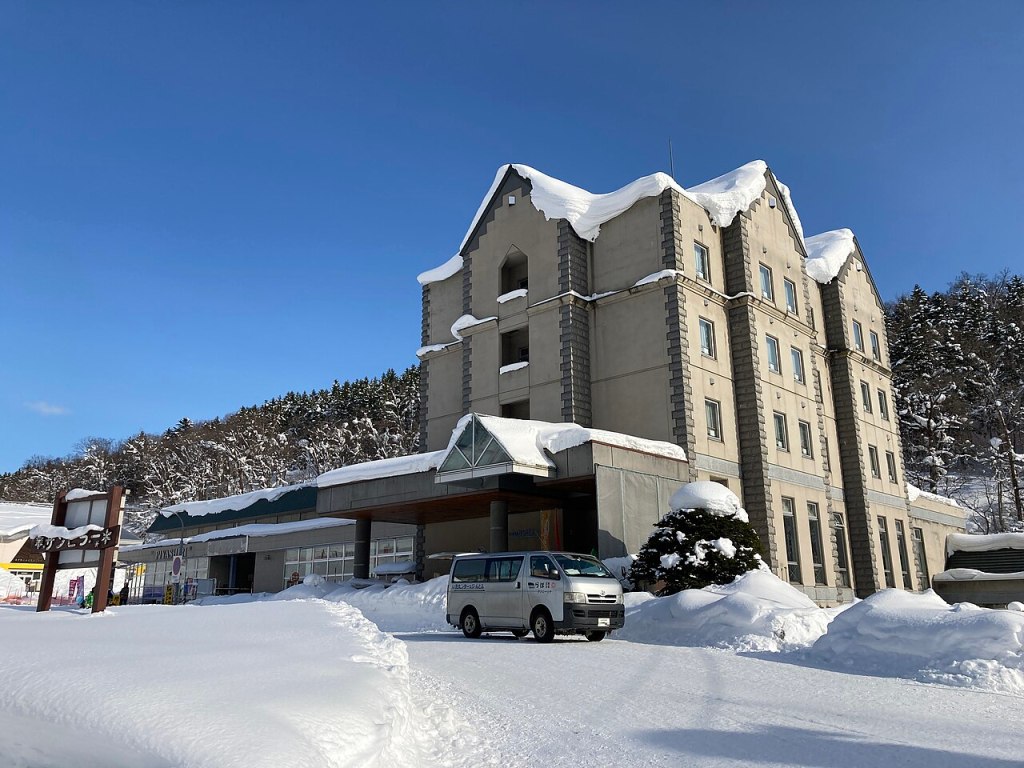
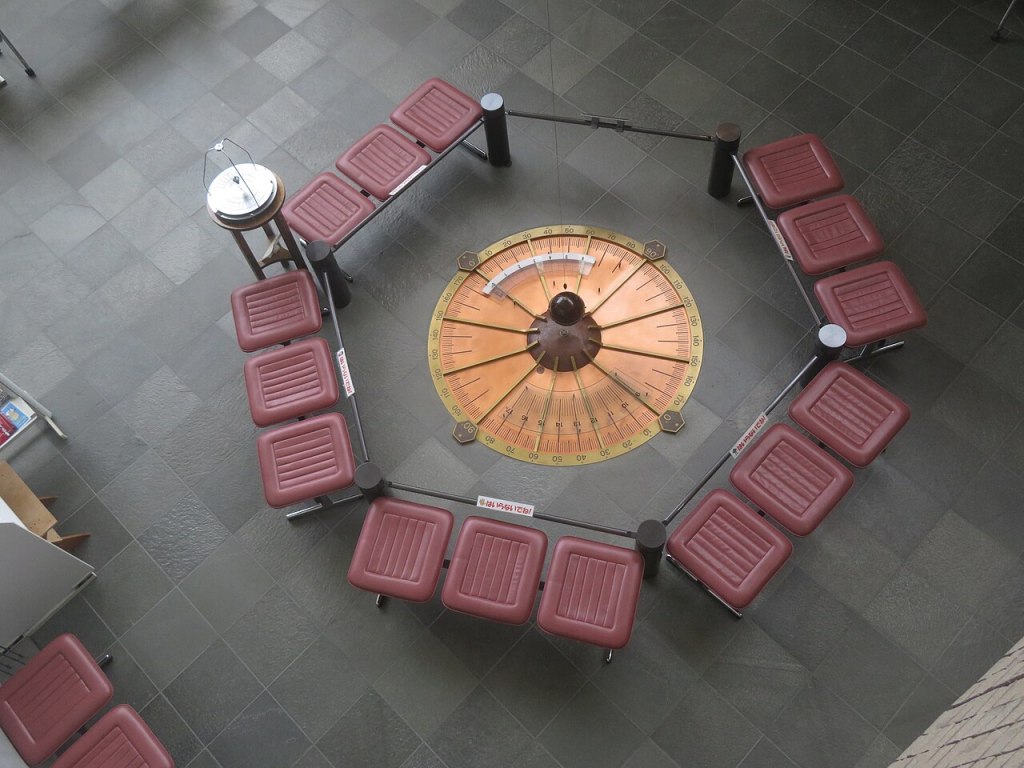
Station and centre
A practical centre with a station, shops and public buildings.
Kitaguni museum
A local museum with exhibits on the natural and human history of the north.
Hot springs
Onsen in and around the city, used by travellers and residents.
Northern country
The Teshio river, forests and long roads towards the coast.
Food and drink
- H
- o
- k
- k
- a
- i
- d
- o
- n
- o
- r
- t
- h
- e
- r
- n
- f
- o
- o
- d
- i
- s
- s
- i
- m
- p
- l
- e
- a
- n
- d
- h
- e
- a
- r
- t
- y
- :
- p
- o
- t
- a
- t
- o
- e
- s
- ,
- d
- a
- i
- r
- y
- ,
- f
- i
- s
- h
- f
- r
- o
- m
- t
- h
- e
- c
- o
- a
- s
- t
- ,
- r
- a
- m
- e
- n
- a
- n
- d
- l
- o
- c
- a
- l
- m
- e
- a
- t
- .
- N
- a
- y
- o
- r
- o
- h
- a
- s
- r
- e
- s
- t
- a
- u
- r
- a
- n
- t
- s
- n
- e
- a
- r
- t
- h
- e
- s
- t
- a
- t
- i
- o
- n
- ,
- w
- i
- t
- h
- m
- o
- r
- e
- c
- h
- o
- i
- c
- e
- i
- n
- A
- s
- a
- h
- i
- k
- a
- w
- a
- .
Getting there and around
- N
- a
- y
- o
- r
- o
- i
- s
- o
- n
- t
- h
- e
- J
- R
- S
- o
- y
- a
- m
- a
- i
- n
- l
- i
- n
- e
- ,
- a
- r
- o
- u
- n
- d
- t
- w
- o
- h
- o
- u
- r
- s
- f
- r
- o
- m
- A
- s
- a
- h
- i
- k
- a
- w
- a
- a
- n
- d
- t
- w
- o
- h
- o
- u
- r
- s
- f
- r
- o
- m
- W
- a
- k
- k
- a
- n
- a
- i
- ,
- a
- n
- d
- i
- s
- r
- e
- a
- c
- h
- e
- d
- b
- y
- r
- o
- a
- d
- o
- n
- r
- o
- u
- t
- e
- 4
- 0
- .
- T
- h
- e
- c
- e
- n
- t
- r
- e
- i
- s
- w
- a
- l
- k
- a
- b
- l
- e
- f
- r
- o
- m
- N
- a
- y
- o
- r
- o
- s
- t
- a
- t
- i
- o
- n
- ,
- b
- u
- t
- t
- h
- e
- s
- u
- r
- r
- o
- u
- n
- d
- i
- n
- g
- c
- o
- u
- n
- t
- r
- y
- n
- e
- e
- d
- s
- a
- c
- a
- r
- .
Where to stay
- A
- c
- c
- o
- m
- m
- o
- d
- a
- t
- i
- o
- n
- i
- s
- m
- o
- s
- t
- l
- y
- b
- u
- s
- i
- n
- e
- s
- s
- h
- o
- t
- e
- l
- s
- a
- n
- d
- s
- m
- a
- l
- l
- i
- n
- n
- s
- ,
- w
- i
- t
- h
- s
- o
- m
- e
- o
- n
- s
- e
- n
- l
- o
- d
- g
- e
- s
- .
- I
- t
- i
- s
- a
- p
- r
- a
- c
- t
- i
- c
- a
- l
- s
- t
- o
- p
- o
- n
- t
- h
- e
- n
- o
- r
- t
- h
- e
- r
- n
- r
- o
- u
- t
- e
- .
Best time to visit
- S
- u
- m
- m
- e
- r
- i
- s
- s
- h
- o
- r
- t
- a
- n
- d
- m
- i
- l
- d
- ,
- w
- i
- t
- h
- l
- o
- n
- g
- d
- a
- y
- s
- .
- A
- u
- t
- u
- m
- n
- b
- r
- i
- n
- g
- s
- c
- o
- l
- o
- u
- r
- .
- W
- i
- n
- t
- e
- r
- i
- s
- v
- e
- r
- y
- c
- o
- l
- d
- a
- n
- d
- s
- n
- o
- w
- y
- ,
- w
- i
- t
- h
- d
- e
- e
- p
- d
- r
- i
- f
- t
- s
- a
- n
- d
- s
- l
- o
- w
- t
- r
- a
- v
- e
- l
- .
- S
- p
- r
- i
- n
- g
- i
- s
- l
- a
- t
- e
- .
Practical tips
- Winter travel can be affected by snow and wind; check trains and roads.
- Restaurants and shops are limited outside the centre.
- A car is needed for the river and the surrounding country.
Suggested day-trip outline
- Morning: train from Asahikawa.
- Late morning: the station area and the centre.
- Lunch: ramen or a local set meal.
- Afternoon: the Kitaguni museum.
- Late afternoon: an onsen, or a drive to the river.
- Evening: dinner in town, or on to Wakkanai.
Before you go
Timetables, fares, admission fees, and seasonal access rules can change. Check the official tourism and transport sites linked below for the latest information before you travel.
Explore More of Japan
Published guides that pair with this one:
- Ashoro Travel Guide: Forest and Dairy Country in Eastern Hokkaido
- Esashi Travel Guide: Hokkaido’s Old Herring Town
- Fukagawa Travel Guide: Rice Country in Central Hokkaido
- Oketo Travel Guide: Marshland and Dairy Country in Hokkaido
- Yuni Travel Guide: Flower Gardens and Dairy Country in Hokkaido
Browse every Hokkaido guide on this site for the rest of the region.
Sources
- city.nayoro.lg.jp (checked 2026-11-08)
- visit-hokkaido.jp (checked 2026-11-08)


Leave a Reply