A practical English guide to Morioka in Iwate: the wanko soba challenge, the castle park, the temples and access from Tokyo.
Operational details such as opening hours, admission fees, and train times can change. Prefer official pages and reconfirm before you travel (sources checked on 05 November 2026).
Why visit
- Morioka is the capital of Iwate, a city of about three hundred thousand people in a basin ringed by mountains, with the Kitakami river running through it and Mount Iwate, a perfect volcanic cone, standing on the northern horizon. It is a working regional city rather than a tourist town, and that is part of its appeal: the food is good and cheap, the streets are quiet, and the mountains are always in view.
- The city is famous for wanko soba, a style of eating in which small bowls of soba are refilled as fast as you can eat them, with a server standing beside you and a stack of bowls growing on the table. It is a local ritual and a competition, and the restaurants around the station and in the old town serve it with good humour. The record is in the hundreds of bowls, and most visitors stop somewhere far below that.
- Morioka also has a castle park on a hill in the centre, with stone walls, a moat and a view over the city, and a collection of temples and old houses in the surrounding streets. The Ishiwarizakura, a cherry tree that grows out of a split boulder at the court house, is a local landmark and a symbol of the city’s resilience.
- Beyond the city, the area has the onsen towns of Tsunagi and Nyuto, the Iwate museum of art, and the Hiraizumi and Tono sites within reach. Morioka is a natural stop on the Tohoku shinkansen, an hour north of Sendai, and it makes a good base for the northern part of the region.
Top places and highlights
Wanko soba
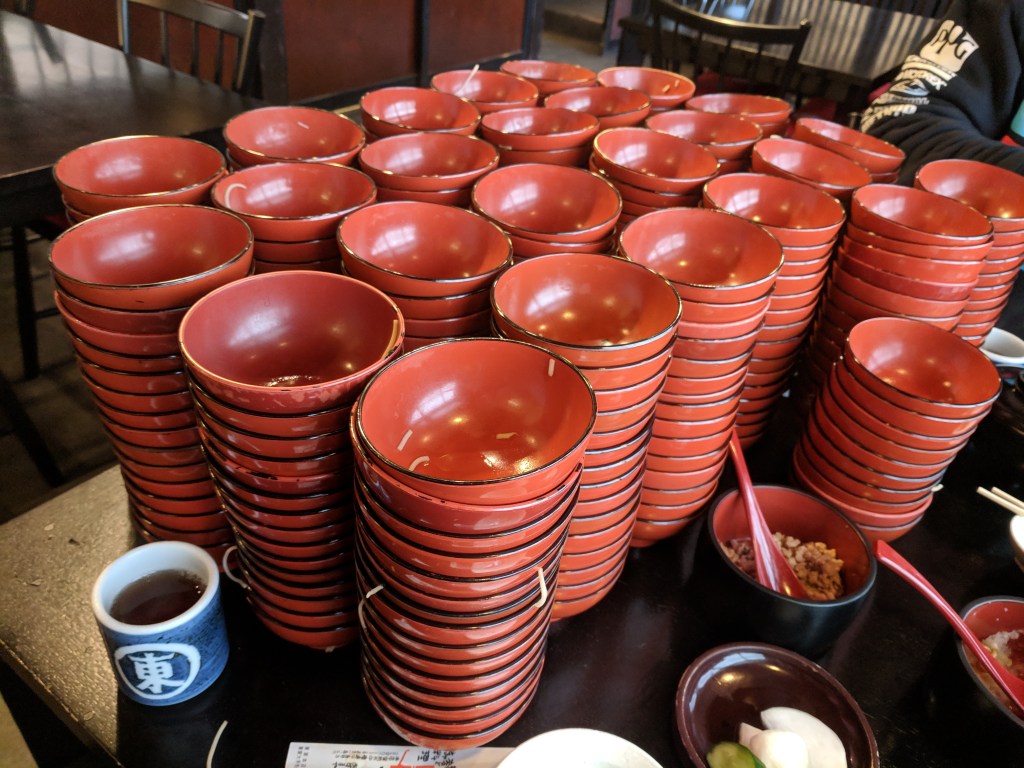
The ritual is simple: you order, a server brings a stack of small bowls and a tray of condiments, and as you finish each bowl another is placed in front of you, faster and faster, with a shout of encouragement. You keep the bowls in a stack to count, and you say when you have had enough. The soba is served with a dipping sauce, green onion, wasabi and a raw egg, and the pace is the entertainment. The restaurants near the station and in the old town all serve it, and the staff are used to visitors.
Morioka castle park
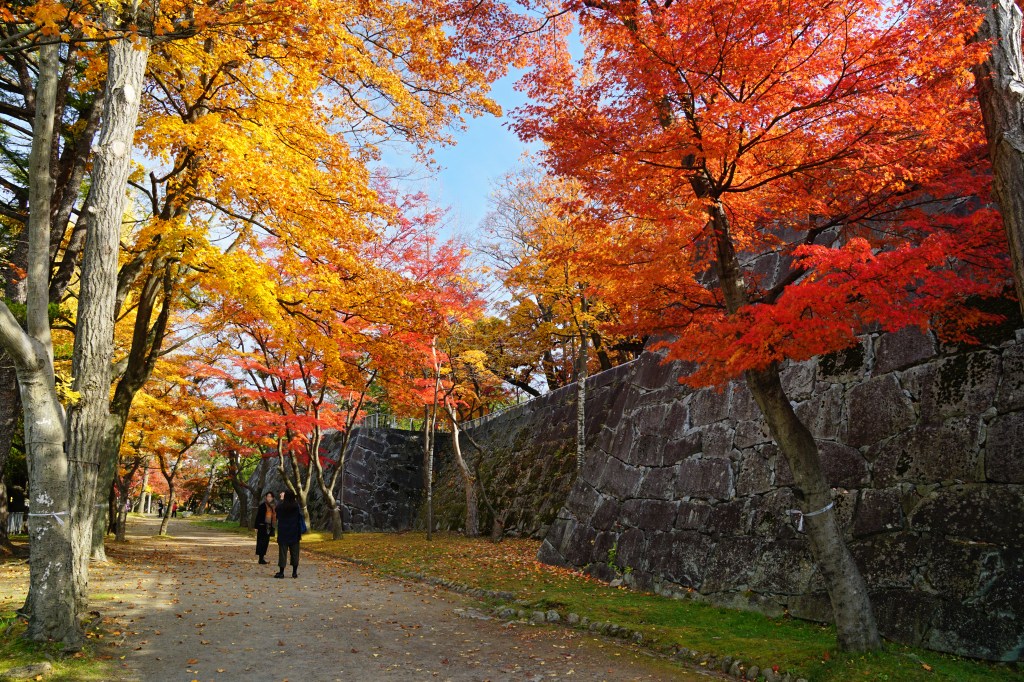
The castle was demolished in the nineteenth century and only the stone walls and the moat remain, but the site is now a park on a hill in the centre of the city, with lawns, cherry trees and a view over the river and the mountains. The walls are large and well built, and the path around the moat is a good walk. In spring the cherry trees make it the busiest place in the city.
The Ishiwarizakura
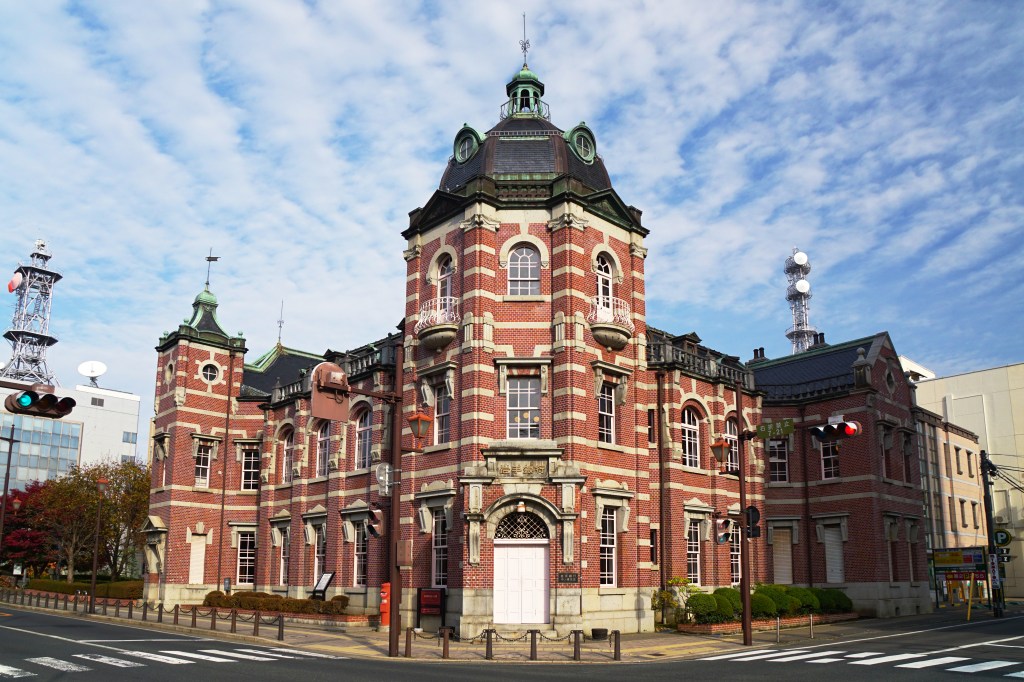
The stone-splitting cherry tree stands in front of the old court house, growing out of a crack in a granite boulder, and it has become the emblem of the city. It flowers in spring, and the combination of the old stone building and the tree is the most photographed spot in Morioka. The story is that the tree split the rock as it grew, and the city has built its image around it.
The temples and the old streets
The area around the castle has a cluster of temples, shrines and old merchant houses, and the streets are quiet and walkable. The Hoonji temple, the Kogenshitsu and the small shrines along the river are worth an hour, and the lanes behind the main roads have the old wooden buildings and the stone walls. Walk without a plan and look at the details.
Mount Iwate
The mountain dominates the northern view from the city, a symmetrical cone with snow on it from late autumn to spring, and it is a serious climb in summer. The lower slopes have trails, hot springs and the Amihari onsen, and the drive up to the eighth station is a good half-day. The view from the city at sunset, with the mountain turning pink, is the local postcard.
The Iwate museum of art and the local museums
The prefectural museum of art has a collection of modern Japanese painting and sculpture, with a focus on artists connected to the region, and the building is calm and well lit. The city also has a museum of local history and the Takuboku memorial, for the poet Ishikawa Takuboku, who was born here. They are good rainy-day stops and a break from the food.
The onsen towns nearby
Tsunagi onsen is a short bus ride from the city, on a lake with hot spring hotels and a quiet shore, and Nyuto onsen is further out in the mountains, with a cluster of rustic inns and milky white water. Both are within an hour or two and make a good overnight. The combination of a city day and an onsen night is the best way to see this part of Iwate.
Food and drink
- Wanko soba is the dish to try, and the restaurants around the station and in the old town serve it with the full ritual. Go hungry and stop when you have had enough.
- Morioka has a strong noodle culture beyond soba: the local ramen is a soy-based broth with flat noodles, and the cold noodles called reimen are a summer staple, served with a spicy sauce and fruit.
- The city is also known for its jajamen, thick noodles with a miso and meat sauce, and for the local sake from the surrounding breweries. The bars around the station carry the regional labels.
- The seafood is limited by the distance from the coast, but the river fish and the mountain vegetables are good, and the restaurants serve them in set meals.
- For sweets, the local shops sell the usual Japanese confections and a few regional specialities, and the market near the station has prepared food for a picnic.
Getting there and around
- Morioka is on the Tohoku shinkansen, about two hours and fifteen minutes from Tokyo and forty minutes from Sendai, and the station is in the centre of the city. The Akita shinkansen also stops here.
- The city is compact and walkable, and the castle park, the Ishiwarizakura and the main restaurants are within a twenty-minute walk of the station.
- Buses run from the station to the outer districts and to Tsunagi onsen, and the local trains connect to Hiraizumi and the surrounding towns.
- By car, the Tohoku expressway and the national roads connect Morioka with Sendai, Akita and Aomori, and the mountain roads to Mount Iwate and Nyuto are scenic but seasonal.
- From Hanamaki airport, the bus and train take about forty minutes, and the airport handles domestic flights from the main cities.
Where to stay
- Hotels around Morioka station are the practical base, with business hotels and a few larger ones within walking distance of the restaurants and the castle park.
- The hotels and ryokan at Tsunagi onsen, twenty minutes away, offer lake views and hot spring baths, and they are a good base for a quiet night.
- The inns at Nyuto onsen are rustic and remote, with milky water and simple meals, and they require a car or a long bus ride. They are worth the effort.
- The guesthouses and small hotels in the old town are cheap and close to the temples and the food, though the choice is limited.
Best time to visit
- Spring, from late April to May, is the best time: the cherry trees at the castle park and the Ishiwarizakura are in flower, and the weather is mild.
- Summer is warm and green, with festivals, the river and the mountain trails open. The city is lively and the evenings are long.
- Autumn, from October to November, brings colour to the mountains and clear air, and it is the best season for Mount Iwate and the onsen towns.
- Winter is cold and snowy, with the mountain white and the streets quiet. The onsen and the food are the attractions, and the city is at its most local.
- The rainy season runs from early June to mid-July. The museums and the temple streets are good wet-weather stops.
Practical tips
- Try wanko soba at lunch, and go hungry. The portions are small and the pace is fast, and the experience is the point.
- Check the opening days of the museums and the castle park facilities. Some close on Mondays, and the small ones have limited hours.
- Walk between the station, the castle park and the Ishiwarizakura. The distances are short and the streets are pleasant.
- Take a bus to Tsunagi onsen if you want a bath without a long trip. It is twenty minutes and the lake is quiet.
- Carry cash for the soba restaurants and the small bars. The city is not set up for cards everywhere.
- In winter, wear boots. The pavements are snowy and icy, and the castle park paths are steep.
Suggested day-trip outline
- Morning: arrive by shinkansen and walk to the castle park, with the stone walls and the view over the city.
- Late morning: the Ishiwarizakura and the old court house, then the temple streets and the small museums.
- Lunch: wanko soba at one of the restaurants near the station, with the full ritual.
- Afternoon: the Iwate museum of art or the Takuboku memorial, then the market and the arcades.
- Late afternoon: a bus to Tsunagi onsen for a bath by the lake, or the view of Mount Iwate from the river.
- Evening: dinner in the city, with jajamen or reimen, and the train back to Sendai or Tokyo.
Before you go
Timetables, fares, admission fees, and seasonal access rules can change. Check the official tourism and transport sites linked below for the latest information before you travel.
Explore More of Japan
Published guides that pair with this one:
- Geibikei Gorge Travel Guide: A Boat Ride in Iwate
- Kakunodate Travel Guide: Samurai Streets and Weeping Cherries
- Sendai Travel Guide: Gyutan, Jozenji-dori and the Gateway to Tohoku
- Yamadera Travel Guide: The Mountain Temple above Yamagata
- Hanamiyama Park Travel Guide: Fukushima Flower Mountain
- Hiraizumi Travel Guide: UNESCO Temples and Gardens in Iwate
Browse every Tohoku guide on this site for the rest of the region.
Sources
- city.morioka.iwate.jp (checked 2026-11-05)
- tohokukanko.jp (checked 2026-11-05)


Leave a Reply