Plan a trip to Lake Biwa and the canal town of Omi-Hachiman in Shiga, with access from Kyoto and Osaka and what to see.
Operational details such as opening hours, admission fees, and train times can change. Prefer official pages and reconfirm before you travel (sources checked on 03 November 2026).
Why visit
- Lake Biwa is Japan’s largest freshwater lake, about 670 square kilometres, occupying one sixth of Shiga Prefecture, and it is one of the oldest lakes in the world: the water body has been in roughly its present position for at least 400,000 years, and the lineage of lakes in this basin goes back around four million years to a shallow lake near present-day Iga in Mie. Only around 20 lakes worldwide are old enough to be called ancient, and Biwa is the only one in Japan. That age is why it holds more than 60 endemic species and over 1,700 recorded aquatic plants and animals.
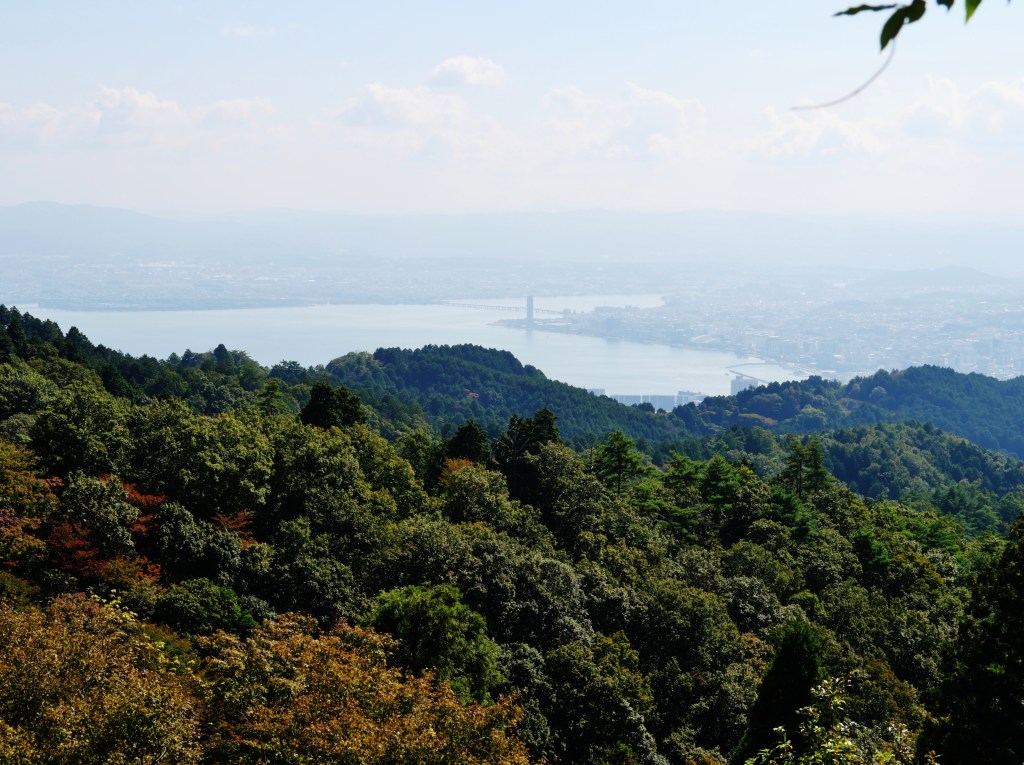
- The shape matters for planning. The lake is 63 kilometres north to south and 22 kilometres at its widest, and it is divided at the Biwako Ohashi bridge into the northern lake, which is deep at an average of 43 metres and a maximum of 104, and the southern lake, which is shallow at an average of four. Most visitors see the southern end from Kyoto or Otsu and conclude they have seen Biwa; the northern half is a different lake entirely, with beaches, islands and a slower shore.
- Omi-Hachiman, on the eastern shore about 30 minutes from Kyoto by train, is the best single base for understanding what the lake meant. It was a merchant town built on water transport, and its Hachiman-bori canal was cut by Toyomoto Hidetsugu so that boats could move goods between the lake and the castle town. The canal still runs through the town with white-walled storehouses and stone paving along it, and it is one of the few places in Japan where the relationship between a town and a lake is still legible in the street plan.
- The canal is also where the boat rides are, and there is a change worth knowing about. The original Suigo Meguri, the hand-rowed boat excursion into the reed beds of the western inner lake, has announced that it will end at the end of November 2026 after nearly fifty years, because the boatmen have aged and the operation can no longer be run safely. The Hachiman-bori cruise in the town canal continues year-round and is the replacement rather than the same experience.
- The practical case is strong. Kyoto is about 30 minutes away by train, Otsu is 10 minutes, and the lake shore is reachable from Osaka in an hour. There is a canal boat for 1,500 yen, a ropeway up the castle mount, a shrine, a preserved merchant district, and a lake that you can swim in or simply look at from a beach. It is a day out from Kyoto that feels like a different prefecture, because it is one.
Top places and highlights
Hachiman-bori and its boat cruise
The Hachiman-bori is a canal cut by Toyomoto Hidetsugu that connected the castle town to Lake Biwa, and the stretch between Shirayuki Bridge and Meiji Bridge is lined with white-walled storehouses, stone paving and willows. The cruise on a Japanese boat takes about 35 minutes, runs 10:00 to 16:00, costs 1,500 yen for adults and 1,000 for children, and leaves from behind the Waden restaurant on the canal. It runs year-round and stops in heavy rain or strong wind.
The canal walk at dusk
The canal is lit between Shirayuki Bridge and Shinmachi-hama in the evening, and the cherry season is when the lighting is at its best. Even outside that season, walking the canal after the boats have stopped is the way to see the storehouses without a queue of photographers. The town’s own description points to the seasonal reflections, and the stone paving and the dark water do most of the work.
The Suigo Meguri reed-bed boat
The original Suigo Meguri took passengers in hand-rowed boats through the reed beds and waterways of the western inner lake, and it was the reason many people came to Omi-Hachiman in the first place. It has announced its final season, ending at the end of November 2026, after operating since 1977, with the operators citing the age and physical burden on the boatmen. Anyone wanting this specific experience has a narrow window, and anyone visiting later should plan on the canal cruise instead.
The Nishinoko inner lake cruises
Shima Pearl’s sightseeing boat runs on the Nishinoko, an inner lake of Biwa, through reed beds and farmland waterways, with a regular service of about 60 minutes departing at 10:30 and 14:30 from mid-March to the end of November. The regular fare is 2,200 yen for adults and 1,100 for children, and there are chartered boats with Omi beef sukiyaki or boxed lunches that require a reservation. This is the alternative if the Suigo Meguri has closed by the time you visit.
Hachimanyama and the ropeway
The castle mount above the town is reached by the Hachimanyama ropeway from beside the canal, and the top holds the ruins of the castle that Hidetsugu built and then abandoned when he was ordered to commit suicide in 1595. The view from the summit takes in the whole town, the canal, the lake and, on a clear day, the mountains on the far shore. The ropeway entrance is the same bus stop as the canal, which makes the two a single stop.
Himure Hachimangu
Himure Hachimangu is the shrine at the foot of the castle mount, three minutes on foot from the canal, and it is the reason the town exists: the merchant district grew around a shrine that predates the castle. The approach and the buildings are a working place of worship rather than a monument, and the shrine is where the town’s festivals begin. It is a short stop and it anchors the walk.
The lake itself, north and south
The southern lake is the part most people see, shallow, warm and busy with boats, and the northern lake is the Biwa of the postcards, deep and wide with the islands of Chikubu and Okishima. Okishima is the only inhabited island in the lake, and Chikubu holds a shrine that has been a pilgrimage destination for centuries. Anyone with a second day should go north, because the two halves do not feel like the same body of water.
Food and drink
- Omi beef is the region’s luxury, and the chartered boats on the Nishinoko serve it as sukiyaki on the water, which is the most specific meal available here. For a normal lunch, the town has a good number of small restaurants around the canal and the station, and the local speciality to look for is funazushi, the fermented crucian carp sushi that is the prefecture’s oldest preserved food and an acquired taste.
- The canal district has cafes and sweets shops in converted storehouses, and they are the reason the town works as a slow afternoon rather than a checklist. The clubhouse-like shops around the Hachiman-bori sell Omi rice, sake and soybeans, and the local sake is worth buying rather than drinking at a bar.
- Otsu and the southern lake shore have the largest concentration of restaurants, and the lake fish dishes there, including the small ayu and the Biwa trout, are the ones to order. Otsu is 10 minutes from Kyoto, which makes it the practical place to eat if you are basing in Kyoto rather than staying in Omi-Hachiman.
- The lake’s own food culture is built on rice, fish and fermented preservation rather than on beef, and the prefecture’s sake breweries are among the oldest in Japan. Eating in a storehouse restaurant on the canal, with a local sake, is the meal that fits the place; a steak dinner is the other option and the expensive one.
Getting there and around
- Omi-Hachiman Station is on the JR Biwako Line, about 30 minutes from Kyoto and about 10 minutes from Otsu, with some rapid services and a direct connection from Maibara. From the station’s north exit, take the Omi Railway bus from stop 6 towards Chomeiji, about seven minutes, and get off at Hachiman-bori Osumi-cho Hachimanyama Ropeway-guchi, which is immediately at the canal.
- From Tokyo or Nagoya, take the Tokaido Shinkansen to Maibara and change to the Biwako Line, which adds about 20 minutes. From Osaka, the special rapid towards Maibara reaches Omi-Hachiman in about an hour, and from Kansai Airport the Haruka to Kyoto and a change at Kyoto is the simplest route.
- By car, leave the Meishin Expressway at the Ryuo interchange and follow Route 8 towards Hikone, turn left at the Tomoyasu intersection and continue about four kilometres, then left at the Taga intersection and right at the Taga intersection by the Omi Kyodaisha school. The drive from the interchange is about 25 minutes, and the town’s paid car parks are at Taga and Obata.
- The canal itself is free and always open, and the boat operates 10:00 to 16:00 with no closing days, though it stops in heavy rain or strong wind and the last departure may be earlier in winter. The ropeway runs from beside the canal to the castle mount, and the shrine is three minutes from the canal on foot.
- For the northern lake, the JR Kosei Line runs up the western shore from Kyoto to Omi-Imazu and beyond, and the Hokuriku Line serves the eastern shore from Maibara to Nagahama and Tsuruga. The two shores are connected at the narrow point by the Biwako Ohashi bridge, and a circuit of the lake by train takes most of a day.
Where to stay
- Omi-Hachiman has a small number of guesthouses and ryokan in and around the canal district, including converted machiya, and staying in the town is the way to see the canal in the evening and the morning without the day visitors. It is a quiet stay rather than a resort one.
- Otsu is the practical base for the southern lake, 10 minutes from Kyoto by train, with hotels and the lake shore. It makes Omi-Hachiman an easy half-day, and it keeps you close to Kyoto for the rest of the trip.
- The northern lake has onsen and lakeside hotels around Nagahama, Hikone and Omi-Imazu, which is the choice for anyone wanting the wide water and the islands rather than the canal town. Nagahama also has a preserved merchant district of its own and is a good second base.
Best time to visit
- Spring is the season for the canal, with cherry blossom along the Hachiman-bori and the evening lighting at its best between Shirayuki Bridge and Shinmachi-hama. It is also the busiest period, and the boat queue builds through the morning, so arriving for the first departures at 10:00 is the practical advice.
- Summer is when the lake is at its most usable, with swimming beaches on the northern shore and the reed beds of the Nishinoko at their greenest. The trade is heat and humidity in the Omi basin, and the canal has little shade at midday.
- Autumn is the strongest all-round season: the canal storehouses and the maples, the rice harvest in the surrounding fields, and comfortable walking weather for the town and the castle mount. Late November is also the final season of the Suigo Meguri in 2026, which makes it both the best time to see the town and the last chance for that boat.
- Winter is quiet and cold, with snow on the northern shore and the lake at its greyest, and the canal is at its most atmospheric without crowds. The boat runs year-round, but the last departures can come earlier in bad weather, so an early afternoon visit is safer than a late one.
Practical tips
- Know which boat you are booking. The Hachiman-bori cruise in the town canal runs all year, 10:00 to 16:00, for 1,500 yen, and it does not need a reservation for two or more passengers. The Suigo Meguri into the reed beds ends at the end of November 2026 after nearly fifty years, and the Nishinoko cruises by Shima Pearl run from mid-March to the end of November. They are three different experiences at three different prices.
- Arrive for the first boat. The Hachiman-bori cruise takes about 35 minutes and the queue grows through the day, especially in cherry season when the canal is the photograph everyone wants. Getting there for the 10:00 departure leaves the rest of the day for the town and the ropeway.
- Book the chartered boat if you want to eat on the water. Shima Pearl’s chartered boats carry up to 12 people and serve Omi beef sukiyaki or boxed lunches, at 16,500 yen for 60 minutes, 22,000 for 90 and 27,500 for 120, and they require a reservation. It is the only way to combine the inner lake with a proper meal.
- Use the bus rather than walking from the station. Omi-Hachiman Station is a few kilometres from the canal, and the bus from stop 6 towards Chomeiji takes about seven minutes to the canal stop. The walk is possible but it is along ordinary roads and costs you the best part of an hour.
- Give the town a full afternoon rather than an hour. The canal, the shrine, the preserved merchant streets, the ropeway and the storehouse cafes are all within a short walk of each other, and the town rewards wandering. A rushed visit sees the canal and misses why the town was built where it was.
- Do not expect to swim in the southern lake in the town. The Omi-Hachiman waterfront is a working shore with the inner lakes and the reed beds, and the swimming beaches are on the northern lake and at specific spots on the southern shore. The Nishinoko is for boats and birds rather than swimming.
- Check the boat’s operating status on the day. Both operators cancel in heavy rain or strong wind, and the winter timetable can end earlier than 16:00. The canal cruise has a status notice on its site, and a phone call before travelling saves a wasted trip in bad weather.
Suggested day-trip outline
- Take the JR Biwako Line from Kyoto to Omi-Hachiman, about 30 minutes, then the bus from stop 6 towards Chomeiji for seven minutes to the canal. Arrive in time for the 10:00 boat departure, when the water is still and the queue is short.
- Take the 35-minute Hachiman-bori cruise for the view of the storehouses from the water, then walk the canal between Shirayuki Bridge and Meiji Bridge on foot. The two are not the same experience: the boat gives you the water level, and the walk gives you the stone paving and the side streets.
- Visit Himure Hachimangu, three minutes from the canal, then take the Hachimanyama ropeway up to the castle ruins for the view over the town and the lake. Come down and eat in the canal district, or go to the Nishinoko for one of Shima Pearl’s 10:30 or 14:30 cruises if you want the reed beds.
- Spend the afternoon in the preserved merchant district and the storehouse shops rather than moving on immediately. Omi-Hachiman is a town for walking, and the side streets behind the canal are where the white walls and the wooden facades are least crowded.
- Return to Kyoto or Otsu in the evening, or continue north along the lake if you have a second day. The northern lake, with Chikubu island and the shrine, is a different trip and needs its own half-day rather than being tacked onto this one.
Before you go
Timetables, fares, admission fees, and seasonal access rules can change. Check the official tourism and transport sites linked below for the latest information before you travel.
Explore More of Japan
Published guides that pair with this one:
- Kyoto Travel Guide: Areas, Temples and a Three-Day Plan
- Arashiyama and Sagano Travel Guide: Bamboo Grove, Tenryu-ji, and Quieter Temple Paths
- Ise Jingu Travel Guide: Naiku, Geku and the Pilgrim Streets of Ise
- Hikone Castle Travel Guide: A National Treasure Keep by Lake Biwa
- MIHO MUSEUM Travel Guide: Highlights, Access, and Planning
- Enryaku-ji Travel Guide: The Tendai Monastery on Mount Hiei
- Osaka Aquarium Kaiyukan Travel Guide: Highlights, Access, and Planning
- Ise-Shima and Toba Guide: Shrine, Pearl Bays and Coastal Food
- Awaji Island Guide: Bridges, Flowers and the Naruto Strait
Browse every Kansai guide on this site for the rest of the region.
Sources
- omi8.com (checked 2026-11-03)
- omi8.com (checked 2026-11-03)
- omi8.com (checked 2026-11-03)
- oumi-waden.com (checked 2026-11-03)
- pref.shiga.lg.jp (checked 2026-11-03)


Leave a Reply