A practical English guide to Hachijojima in the Tokyo islands: the two volcanoes, the diving and hot springs, the island sake and access by plane and ferry.
Operational details such as opening hours, admission fees, and train times can change. Prefer official pages and reconfirm before you travel (sources checked on 06 November 2026).
Why visit
- Hachijojima is a volcanic island about 290 kilometres south of Tokyo, part of the Izu chain, and it is administratively part of Tokyo. It is green, warm and mountainous, with two volcanoes at its centre, and it is one of the few places where you can stand on a subtropical island in the morning and be in the capital by the evening.
- The landscape is the attraction. The island has two peaks, Hachijo-Fuji and Mihara-yama, with forests of camellia and ferns, cliffs on the coast, and a warm current that keeps the water clear and the climate mild. The diving and the snorkelling are good, with the lava flows and the fish of the Kuroshio, and the hot springs are scattered along the shore.
- The second is the culture. The island was a place of exile in the Edo period, and the exiles brought the customs that shaped the local life, including the distinctive dance and the silk. The island has its own dialect, its own sake brewery and a traditional craft of woven fabric, and the pace is slow and rural.
- The third is the food and the access. The fish of the Kuroshio, the island vegetables and the sake are the local food, and the airport and the ferry connect the island with Tokyo in under an hour by plane or ten hours by sea. It is a place for a few nights rather than a day trip.
Top places and highlights
Hachijo-Fuji
The conical volcano rises in the centre of the island, with a road and a path to the top and a view over the whole island and the sea. The climb takes a few hours on foot. The shape is the island’s symbol.
Mihara-yama
The second volcano has a crater and a rugged ridge, with trails through the forest and the lava, and the climb is longer and wilder than Hachijo-Fuji. The views from the ridge are the best on the island. Proper shoes are needed.
The diving and snorkelling
The warm current keeps the water clear, and the lava flows and the rocks make good sites for the fish, the coral and the turtles, with several dive shops on the island. The snorkelling is easy from the beaches. The season runs through the summer and autumn.
The hot springs
The island has hot springs along the shore and in the town, some of them open to the sea, and they are simple and cheap. The water is hot and salty. The combination with the diving is the reason to stay.
The island sake
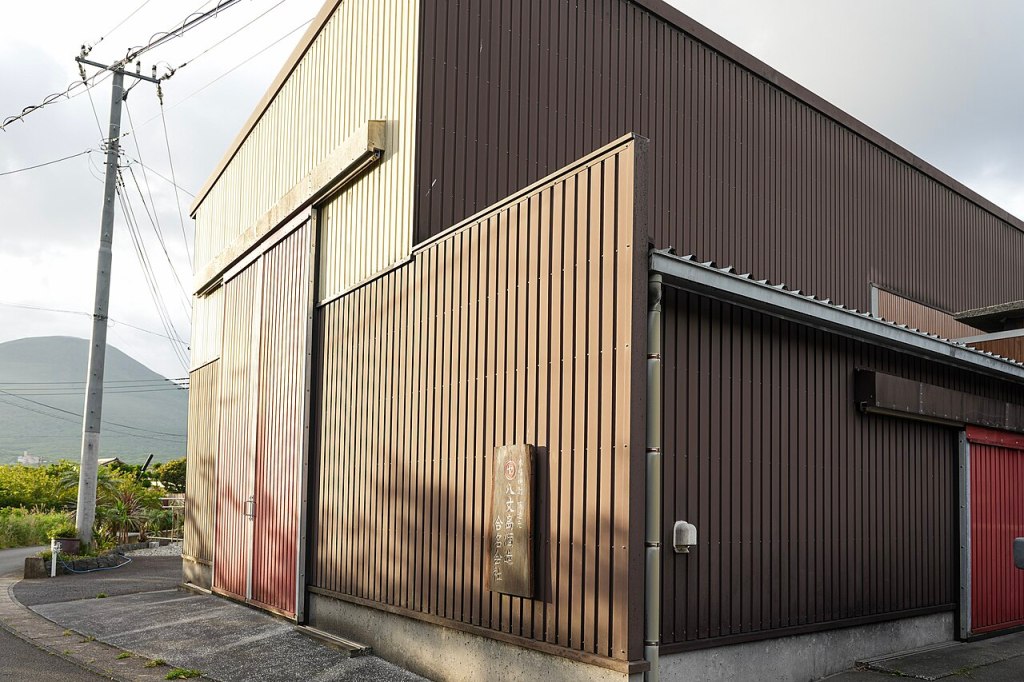
The island has a brewery making sake with the local rice and water, and the shop sells the bottles and offers tastings. It is one of the few island breweries in Japan. The label is a good souvenir.
The exile history
The island was a place of exile in the Edo period, and the exiles brought the customs, the dance and the silk that shaped the local life. The museum explains the story. It gives the island a history beyond the scenery.
The coast and the cliffs
The coast has cliffs, coves and black sand beaches, with the sea on all sides, and the roads around the island are quiet and scenic. The sunset and the stars are the evening attractions. The driving takes a few hours.
Food and drink
- The fish of the Kuroshio is the local food, served at the port restaurants.
- The island vegetables and the tropical fruit are sold at the farm stands.
- The island sake from the brewery is the drink to try.
- The local sweets and the camellia oil are the souvenirs.
- The restaurants are few and close early; eat when you can.
Getting there and around
- The island is about fifty minutes from Tokyo by plane, with several flights a day.
- The ferry from Tokyo takes about ten hours, with overnight services.
- The airport and the port are close to the main town.
- A rental car or scooter is the practical way to reach the beaches and the volcanoes.
- The buses run around the island but the service is limited.
Where to stay
- The island has small hotels, guesthouses and minshuku, with a few onsen inns.
- Book well ahead in summer, when the diving and the beaches are busiest.
- The port area has the largest choice of restaurants and shops.
- The campsites are available in season.
Best time to visit
- Spring is mild, with the camellia in flower.
- Summer is warm, with the diving and the beaches at their best.
- Autumn is warm and clear, the best season for the volcanoes.
- Winter is mild but windy, with rough seas that can cancel the ferry.
Practical tips
- The flights are small planes and fill up; book early.
- The ferry is long and can be rough; the plane is the practical choice.
- A car or scooter makes the island much easier.
- The volcano trails need proper shoes and water.
- The restaurants close early and the choice is limited.
- The island is part of Tokyo, so the same rules and prices apply.
Suggested day-trip outline
- Morning: the flight from Tokyo to Hachijojima.
- Late morning: the town and the museum.
- Lunch: a seafood set meal at the port.
- Afternoon: Hachijo-Fuji and the view.
- Late afternoon: the beach and a hot spring.
- Evening: dinner and the stars.
Before you go
Timetables, fares, admission fees, and seasonal access rules can change. Check the official tourism and transport sites linked below for the latest information before you travel.
Explore More of Japan
Published guides that pair with this one:
- Ikebukuro Travel Guide: The Other Big Tokyo Station District
- Kichijoji Travel Guide: Inokashira Park and Harmonica Alley
- Shinjuku Travel Guide: Shinjuku Gyoen, Kabukicho and the Old Lanes
- Yokosuka Travel Guide: The Battleship Mikasa, Sarushima and Navy Curry
- Izu Oshima Travel Guide: Mount Mihara, the Black Desert and Habu Port
Browse every Kanto guide on this site for the rest of the region.
Sources
- town.hachijo.tokyo.jp (checked 2026-11-06)
- gotokyo.org (checked 2026-11-06)


Leave a Reply