A practical English guide to Shizuoka city: the Nihondaira plateau and Kunozan Toshogu, Miho no Matsubara and its Fuji view, the tea fields and access by shinkansen.
Operational details such as opening hours, admission fees, and train times can change. Prefer official pages and reconfirm before you travel (sources checked on 06 November 2026).
Why visit
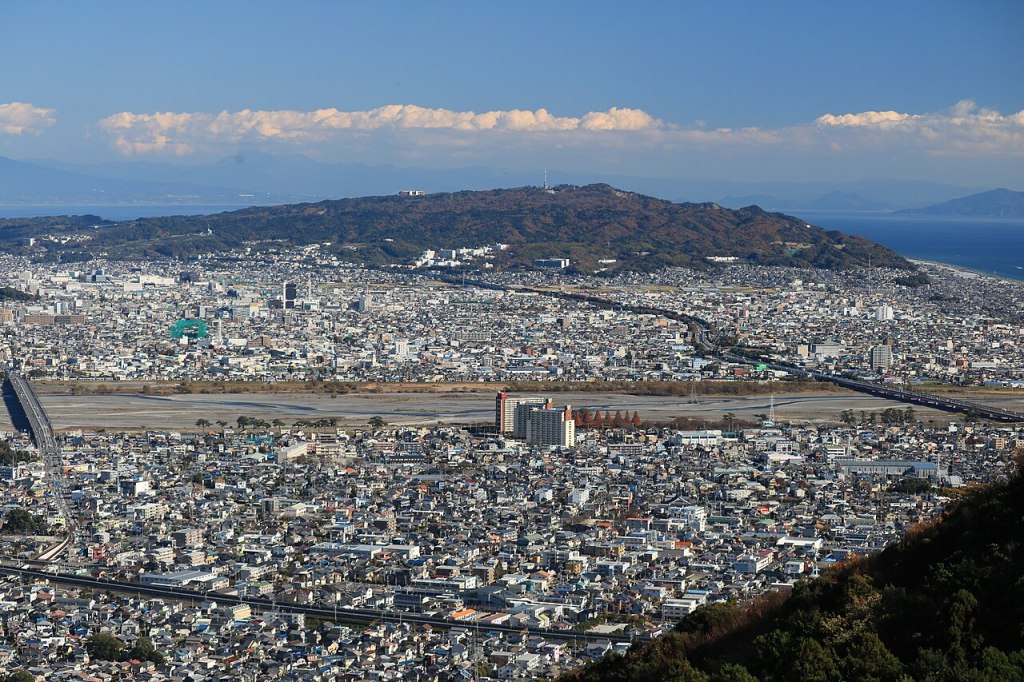
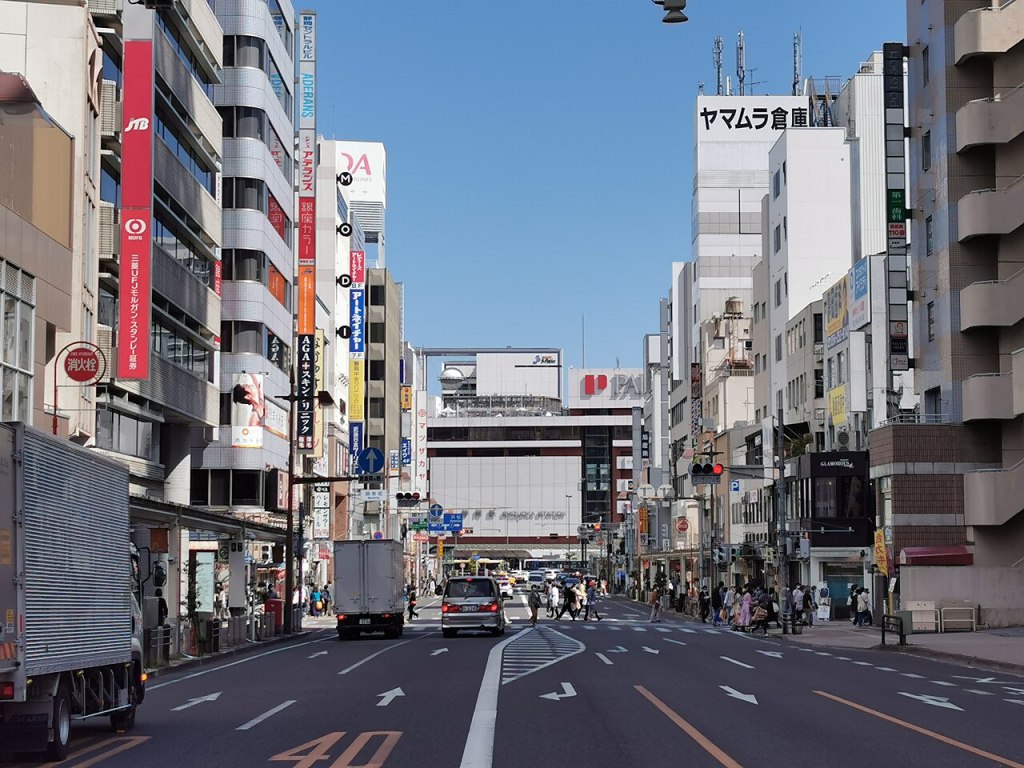
- Shizuoka sits on the coast between Tokyo and Nagoya, with the tea fields of the surrounding hills on one side and Suruga Bay on the other. Most travellers see it from the shinkansen window; staying a day rewards the detour, because the city combines a working port, a serious tea industry and some of the best Fuji views in the country.
- The Nihondaira plateau, south of the centre, is a high, flat ridge with a view over the bay to Fuji and, on clear days, across to the Izu peninsula. The ropeway from the plateau drops to Kunozan Toshogu, a lavishly carved shrine built in the early Edo period and the burial place of Tokugawa Ieyasu, and the combination makes the strongest half-day in the city.
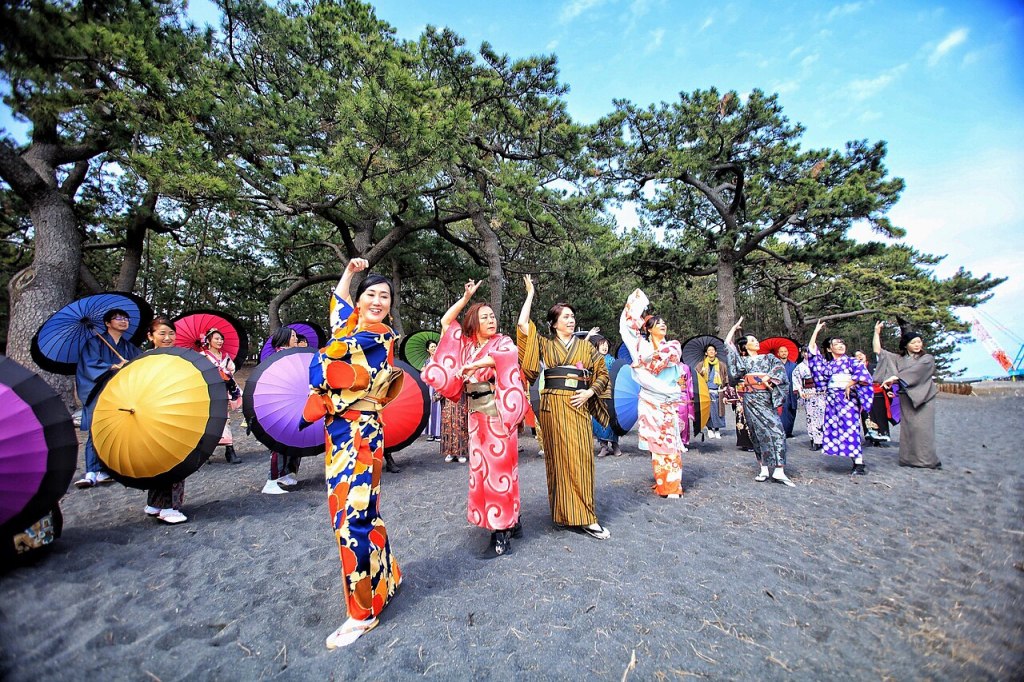
- Miho no Matsubara is a pine-covered spit on the coast with a view of Fuji across the water that has been painted and printed for centuries. It is one of the classic Fuji views, and the walk through the pines to the shore takes about half an hour from the bus stop.
- The third strand is tea. Shizuoka produces around half of Japan’s green tea, and the hills west of the city are covered with plantations. A visit to a tea factory or a farm, or simply a cup in a shop in the centre, explains how central the crop is to the place.
Top places and highlights
Nihondaira
The plateau is a high, open ridge with a broad view over Suruga Bay, the city and, on clear days, Mount Fuji across the water. There is a viewing platform, a car park and a rest house, and the ropeway down to Kunozan Toshogu leaves from the edge. Mornings are clearer than afternoons, and winter is the best season for the Fuji view.
Kunozan Toshogu
The shrine was built in 1617 as the burial place of Tokugawa Ieyasu, and it is one of the most richly decorated in Japan, with lacquer, gold leaf and elaborate carving on every surface. The approach is a long stone stair through cedar forest, reached by the ropeway from Nihondaira or by bus and a climb. It is smaller than Nikko’s Toshogu and far less crowded.
Miho no Matsubara
The pine spit runs along the coast with the sea on one side and a lagoon on the other, and the view of Fuji across Suruga Bay is one of the classic images of Japan. The pines are old and the path through them is shaded. The walk from the bus stop to the shore is about half an hour, and the beach at the end is quiet outside summer.
The tea fields and factories
The hills around Shizuoka are planted with tea in neat rows, and the harvest in spring turns them bright green. Several factories and farms accept visitors for tours, and the tea shops in the city centre sell the local sencha and matcha. The difference between the grades is worth learning, and the shop staff are usually happy to explain.
Sunpu Castle Park
The castle was the retirement residence of Tokugawa Ieyasu, and the park on its site holds the restored gate and turret, the moats and a scatter of surviving structures. It is a city park rather than a major sight, but it is central, free to walk and gives a sense of the city’s Edo-period importance.
The fish market
Shizuoka’s port lands tuna, bonito and the small fish of Suruga Bay, and the market restaurants serve them from early morning. It is smaller than Tokyo’s markets and easier to visit, and the kaisendon bowls are the obvious order. Go early, since the market winds down by mid-morning.
The view from the bay
The coast road south of the city runs along the water with the Izu peninsula across the bay. In the late afternoon the light comes across the water and the mountains behind the city turn blue. It is a good drive or a slow train ride on the local line, and it explains the geography of the region better than any map.
Food and drink
- Green tea is the local product, and the shops sell sencha, matcha and tea sweets of every kind.
- Suruga Bay tuna and bonito are the fish to order, at the market restaurants and in the city.
- Shizuoka oden is a local variant, with dark soy and fish cakes, sold in the evening stalls.
- Wasabi from the Izu hills is used fresh, and the local soba is served with it.
- The tea-cake shops in the centre sell matcha sweets that are worth carrying home.
Getting there and around
- Shizuoka Station is on the Tokaido Shinkansen, about an hour from Tokyo and forty minutes from Nagoya.
- Nihondaira is reached by bus from Shizuoka Station, about forty minutes, or by car.
- The ropeway from Nihondaira to Kunozan Toshogu takes five minutes and runs through the day.
- Miho no Matsubara is reached by bus from the station, about thirty minutes, then a walk.
- A car makes the tea hills and the coast easier, but the main sights are reachable by bus.
Where to stay
- Hotels cluster around Shizuoka Station and the city centre, with a good range of business hotels.
- Nihondaira has a hotel with a view, convenient for the plateau and the shrine.
- The coast south of the city has small inns and a few resort hotels.
- Book ahead in the tea harvest season and in the Fuji-viewing months of winter.
Best time to visit
- Spring is the tea harvest, with bright green fields and mild weather.
- Summer is hot and humid, and the Fuji view is often hazy.
- Autumn is clear and dry, with the best combination of visibility and comfort.
- Winter has the clearest air and the best Fuji views, though the wind is cold.
Practical tips
- Go to Nihondaira in the morning for the clearest view of Fuji.
- Check the ropeway operating status; it closes in strong wind.
- The shrine is reached by a long stair, so wear shoes you can climb in.
- The fish market is an early-morning place; do not plan it for the afternoon.
- Tea factory tours often need a reservation, so ask at the tourist office first.
- Miho no Matsubara is a long walk from the bus stop; allow more time than the map suggests.
Suggested day-trip outline
- Early morning: the fish market for breakfast.
- Morning: bus to Nihondaira and the view over the bay.
- Late morning: the ropeway down to Kunozan Toshogu.
- Lunch: back in the city centre, or at the plateau restaurant.
- Afternoon: Miho no Matsubara and the walk through the pines.
- Evening: tea and sweets in the centre, then the shinkansen onwards.
Before you go
Timetables, fares, admission fees, and seasonal access rules can change. Check the official tourism and transport sites linked below for the latest information before you travel.
Explore More of Japan
Published guides that pair with this one:
- Izu Peninsula Travel Guide: Coast, Hot Springs and the Geopark
- Amaharashi Coast Travel Guide: Toyama Bay and the Tateyama Range
- Nagoya Travel Guide: Castle, Miso Food and a Practical Base for Central Japan
- Azumino Travel Guide: Wasabi Fields, Mountain Water and Cycling
- West Izu Travel Guide: Dogashima, Tensodo Cave and the Toi Coast
Browse every Chubu guide on this site for the rest of the region.
Sources
- city.shizuoka.lg.jp (checked 2026-11-06)
- visit-shizuoka.com (checked 2026-11-06)


Leave a Reply