A practical English guide to Kitami in eastern Hokkaido: the mint museum, the onion country, the Onneyu onsen and access from Abashiri and Asahikawa.
Operational details such as opening hours, admission fees, and train times can change. Prefer official pages and reconfirm before you travel (sources checked on 06 November 2026).
Why visit
- Kitami is a farming city in eastern Hokkaido, inland from Abashiri, and it is one of the largest producers of onions, sugar beet, wheat and potatoes in Japan. It is not a tourist town, but it has two things worth a stop: a mint museum that explains an industry which once dominated the world market, and a hot spring village in the hills to the west.
- The mint story is the surprising one. In the late nineteenth and early twentieth centuries, Hokkaido supplied most of the world’s peppermint oil, and Kitami was at the centre of it, with distillation plants and a research station. The museum preserves the equipment, the stills and the records, and it explains how a crop from the cool north ended up in toothpaste and sweets around the world.
- The second is Onneyu, a hot spring village in the forest west of the city, with a river, a few inns and a waterfall. It is a local resort rather than a famous one, which means the prices are low and the baths are quiet. The road up from Kitami passes through farmland and then forest, and the change is abrupt.
- The rest of the city is ordinary and useful: a station on the Sekihoku line, a covered shopping street, a few restaurants serving the local pork, dairy and vegetables, and the fields stretching to the horizon. It is the kind of place that shows you how Hokkaido actually works, and it makes a good stop between Abashiri and Sounkyo.
Top places and highlights
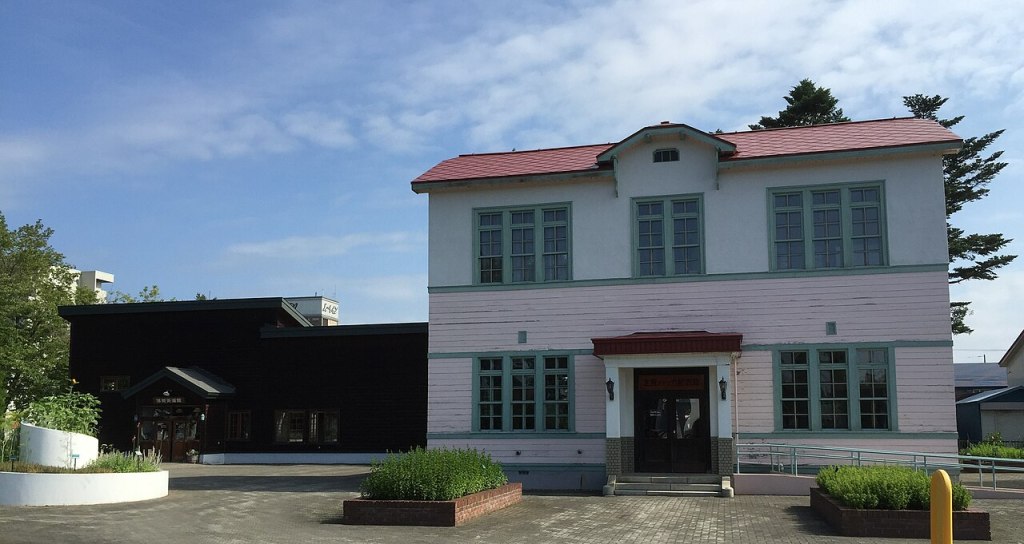
The mint distillation museum
The museum preserves the stills, tools and documents of the Hokkaido mint industry, with a reconstructed distillation plant and an explanation of the trade that once supplied most of the world’s menthol. The site is calm and the machinery is impressive. It is the single best reason to stop in Kitami.
Onneyu Onsen
The hot spring village sits in a valley west of the city, with a river, several inns and a public bath. The water is simple and hot, and the surrounding forest is quiet. It is a working local resort, and the day-bathing rates are low.
The onion and wheat fields
The farmland around the city is vast and geometric, with rows of onions, wheat and potatoes running to the treeline. In late summer the onion harvest leaves the fields covered in rows of drying bulbs, and the smell is unmistakable. The roads through the fields are the local landscape.
The city centre and the arcade
The station area has a covered shopping street, a department store or two and a range of small restaurants, and it is where the city eats. It is not beautiful, but it is busy in the evening and the food is cheap. The local pork and dairy are the things to order.
The Yubetsu river and the hills
The river runs through the city and the hills rise to the west towards the Sekihoku pass, with forest and small dams. The roads along the water are good for a short drive, and the viewpoints over the plain are best in the late afternoon. It is the edge of the agricultural basin.
The nearby coast
Abashiri and the Okhotsk coast are about an hour away, with drift ice in winter and the lakes and the prison museum around it. Kitami is a practical base for the coast without the tourist prices. The drive between them crosses the same farmland.
The food of the plain
The city is surrounded by the crops it processes, and the restaurants serve pork, chicken, potatoes, onions and dairy in plain, generous portions. The local ramen and the yakiniku shops are the evening options. It is not fine dining, but it is honest and cheap.
Food and drink
- Onions, potatoes and wheat from the surrounding fields appear in almost every dish.
- Pork and chicken from the local farms are served as yakiniku and in set meals.
- Dairy, including milk and soft ice cream, is good throughout the region.
- Kitami ramen is a local bowl with a soy base and vegetables from the plain.
- The arcade has cheap lunch places used by the people who work in the city.
Getting there and around
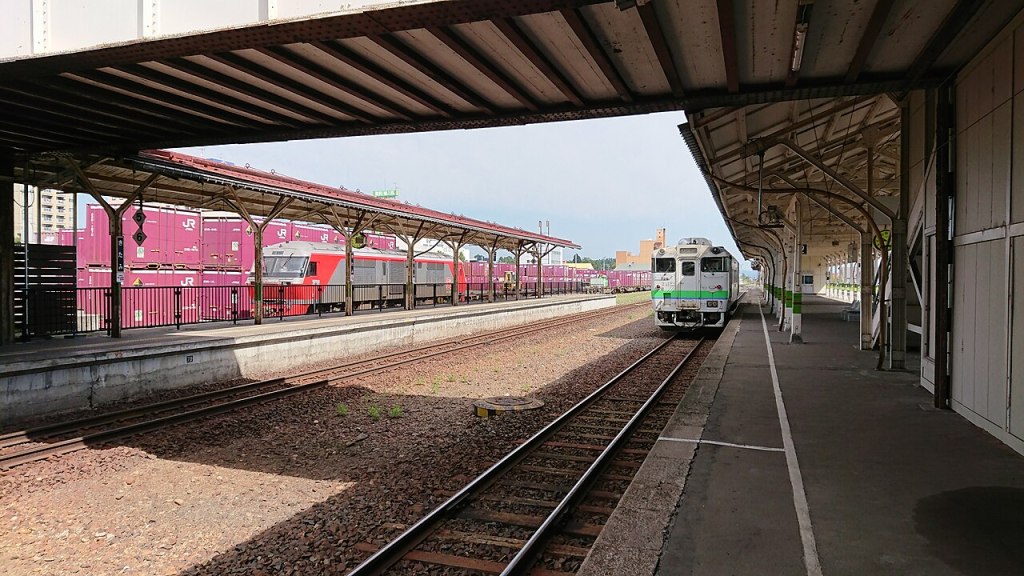
- Kitami is on the JR Sekihoku line, about four hours from Asahikawa and an hour from Abashiri.
- Memambetsu airport is nearby, with flights to Tokyo and Sapporo.
- The station is central, and the arcade and the restaurants are within walking distance.
- Onneyu is reached by bus or car, about thirty minutes west of the city.
- A car is essential for the fields, the museum and the onsen, since the buses are infrequent.
Where to stay
- Business hotels near the station are the practical choice.
- The inns at Onneyu Onsen are the atmospheric option, with meals and baths.
- Abashiri has more hotels and is within an hour.
- Book ahead in the drift ice season, when the coast fills.
Best time to visit
- Spring is short and muddy, with the fields being prepared.
- Summer is warm and green, with the onion harvest starting in late summer.
- Autumn is clear and cool, with the harvest and colour on the hills.
- Winter is deep snow and very cold, with the onsen at their best.
Practical tips
- The mint museum keeps limited hours and closes in winter; check before travelling.
- The fields are private land, so photograph from the road and do not walk in.
- Onneyu has few restaurants in the evening; eat at the inn.
- Fuel up in Kitami before driving west to the pass.
- The arcade is the place to eat after dark, and it is small.
- Kitami is a stop, not a destination; half a day plus the onsen is enough.
Suggested day-trip outline
- Morning: the mint museum and the city centre.
- Late morning: the fields and the viewpoints on the plain.
- Lunch: ramen or a set meal in the arcade.
- Afternoon: the drive to Onneyu Onsen.
- Late afternoon: a bath and the river walk.
- Evening: stay at an Onneyu inn, or return to Abashiri.
Before you go
Timetables, fares, admission fees, and seasonal access rules can change. Check the official tourism and transport sites linked below for the latest information before you travel.
Explore More of Japan
Published guides that pair with this one:
- Sapporo Travel Guide: Food, Parks, and a Hokkaido Base
- Takinoue Travel Guide: The Moss Phlox Hills of Northern Hokkaido
- Asahidake Travel Guide: Ropeway, Sugatami Pond and Japan’s Earliest Autumn
- Jozankei Onsen Travel Guide: Sapporo’s Hot Spring Valley
- Lake Mashu and Lake Kussharo Guide: Akan-Mashu National Park
Browse every Hokkaido guide on this site for the rest of the region.
Sources
- city.kitami.lg.jp (checked 2026-11-06)
- visit-hokkaido.jp (checked 2026-11-06)


Leave a Reply