A practical English guide to Obuse in Nagano: the Hokusai museum, the floats hall, the chestnut sweets, the sake breweries and access from Nagano city.
Operational details such as opening hours, admission fees, and train times can change. Prefer official pages and reconfirm before you travel (sources checked on 06 November 2026).
Why visit
- Obuse is a small town in northern Nagano, about half an hour by train from Nagano city, and it has an unlikely combination of attractions: a museum of the last works of Hokusai, a chestnut confectionery tradition, and a set of sake breweries. It is a compact, wealthy town of old merchant houses and orchards, and it is one of the most pleasant half-days in the region.
- The Hokusai connection is the main draw. The artist spent time in Obuse late in life, invited by the local merchant Takai Kozan, and he painted a ceiling of a festival float and a set of screens for the town. The Hokusai Museum holds the float and the works, and the Takai Kozan Memorial Hall shows the patron’s house and studio.
- The second is the food. Obuse is famous for its chestnuts, and the confectioners make the chestnut sweets that are sold across Japan, including the kurikinton and the chestnut rice. The town has a chestnut museum and a few shops where you can taste the products, and the season in autumn is the best.
- The third is the walk. The town is small and flat, with the museum, the temples, the breweries and the old streets within twenty minutes of the station, and the orchards and the hills around it. It is easy to combine with the onsen at Yudanaka and the snow monkeys at Jigokudani, which are an hour away by train.
Top places and highlights
The Hokusai Museum
The museum holds the festival float with the ceiling painted by Hokusai, along with the screens and the drawings he made in the town, and it explains his late period and his connection with the merchant Takai Kozan. It is small and well arranged. There is a separate building for the float.
The Takai Kozan Memorial Hall
The house and studio of the merchant who invited Hokusai to Obuse, with the garden, the rooms and the collection of the works and the letters. It gives the human side of the story and the life of a wealthy country merchant. It is a short walk from the museum.
The chestnut sweets
The town’s confectioners make the chestnut sweets, including the kurikinton and the chestnut rice, and the shops sell them fresh and boxed. The chestnut museum explains the trade and the varieties. Autumn is the season, and the queues at the famous shops are normal.
The sake breweries
The town has small breweries making the local sake, with the water from the mountains and the rice of the region, and some offer tours and tastings. The shops sell the bottles and the local food to go with them. Check the opening days.
The old streets and temples
The town has old merchant houses, a few temples and a shrine, with the white walls and the timber fronts of the Edo style, and the walk between them is quiet. The Ganshoin temple has a ceiling painted by Hokusai, which is another reason to come. It is a short walk from the centre.
The orchards
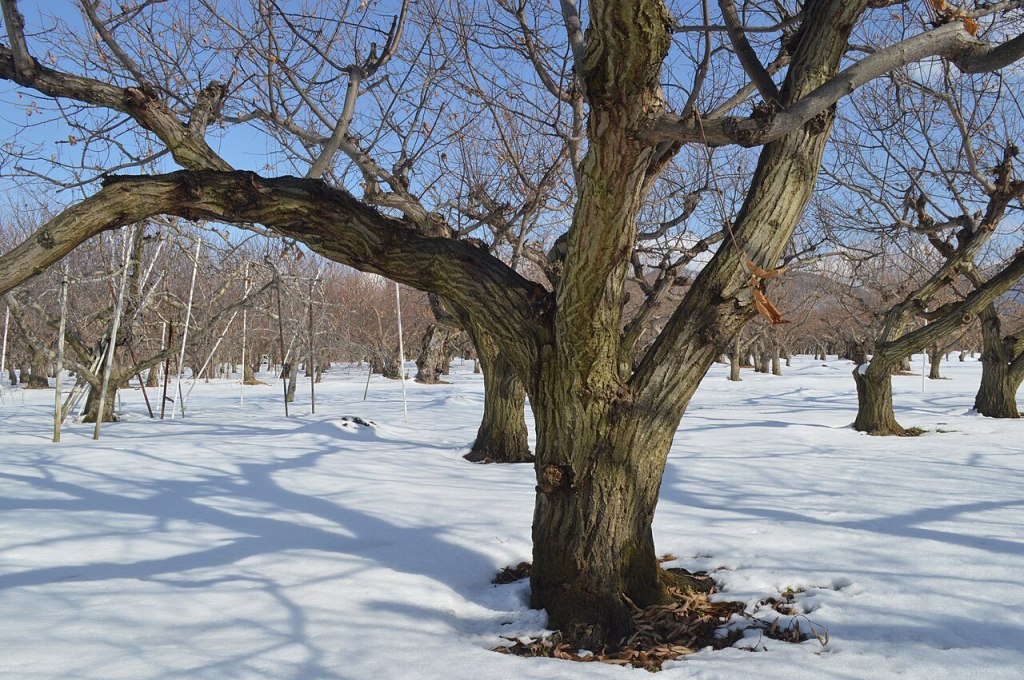
The fields around the town are orchards of apples, chestnuts and grapes, and the farm stands sell the fruit in season. The walk or cycle through them is the countryside of northern Nagano. The blossom in spring and the fruit in autumn are the best times.
The onsen and the snow monkeys
The Nagano railway continues to Yudanaka and the onsen towns, with the snow monkey park at Jigokudani about an hour away, and the combination makes a full day or an overnight. The trains are slow and scenic. Book the onsen inns ahead in winter.
Food and drink
- The chestnut sweets are the local speciality, sold fresh and boxed.
- The chestnut rice and the kurikinton appear in the set meals in autumn.
- The local sake from the breweries is soft and dry.
- The soba of northern Nagano is served in the town’s restaurants.
- The orchards sell apples, grapes and chestnuts at the farm stands.
Getting there and around
- Obuse is about half an hour from Nagano station by the Nagano electric railway.
- The station is central, and the museum and the old streets are a short walk away.
- The shinkansen stops at Nagano, with a change to the local line.
- A car is useful for the orchards and the onsen, but the town itself is walkable.
- The line continues to Yudanaka and the snow monkey park.
Where to stay
- A few small inns and guesthouses operate in the town.
- Yudanaka and Shibu onsen have the hot spring inns and are nearby.
- Nagano city has the larger hotels and is half an hour away.
- Book ahead in autumn, when the chestnut season draws visitors.
Best time to visit
- Spring is mild, with blossom in the orchards.
- Summer is warm and green, with the town at its quietest.
- Autumn is the chestnut season and the best time to visit.
- Winter is cold, with snow on the town and the onsen at their best.
Practical tips
- The Hokusai museum is closed on some weekdays; check before travelling.
- The famous chestnut shops have long queues in autumn.
- The town is compact; a half-day is enough for the main sights.
- The trains to Yudanaka are infrequent; check the timetable.
- Cash is useful in the small shops and the breweries.
- Combine the visit with Jigokudani in winter.
Suggested day-trip outline
- Morning: the train from Nagano to Obuse.
- Late morning: the Hokusai museum and the float hall.
- Lunch: soba and chestnut sweets in the town.
- Afternoon: the Takai Kozan hall and the old streets.
- Late afternoon: the breweries and the orchards.
- Evening: back to Nagano, or on to Yudanaka.
Before you go
Timetables, fares, admission fees, and seasonal access rules can change. Check the official tourism and transport sites linked below for the latest information before you travel.
Explore More of Japan
Published guides that pair with this one:
- Azumino Travel Guide: Wasabi Fields, Mountain Water and Cycling
- Hamamatsu Travel Guide: Castle, Gyoza and the Instrument Makers
- Togakushi Travel Guide: The Cedar Avenue, the Shrines and the Soba
- Zenko-ji Travel Guide: Nagano Temple and the Pilgrim Road
- Wakasa Obama Guide: Fukui’s Old Port and the Five-Colour Noodles
Browse every Chubu guide on this site for the rest of the region.
Sources
- town.obuse.nagano.jp (checked 2026-11-06)
- go-nagano.net (checked 2026-11-06)


Leave a Reply