A practical English guide to Odate in Akita: the Hachiko memorial, the Akita dog museum, the kiritanpo hotpot and access from Akita and Aomori.
Operational details such as opening hours, admission fees, and train times can change. Prefer official pages and reconfirm before you travel (sources checked on 06 November 2026).
Why visit
- Odate is a city in northern Akita, near the mountains that border Aomori, and it is famous for two things that are connected: the Akita dog, and Hachiko, the most loyal dog in Japanese memory. Hachiko was born in Odate in 1923, and the city has a memorial, a museum and a festival in his honour.
- The dog is the reason many visitors come. The Akita is a large, quiet breed from the region, and the city has a museum with the history, the photographs and the stories, along with a statue of Hachiko and a place to meet the local dogs. The story of the dog who waited at Shibuya station for his dead master is the emotional centre.
- The second attraction is the food. Odate is the home of kiritanpo, the pounded rice skewered on a cedar stick and grilled, then served in a hotpot with chicken and vegetables, and the city has the shops and the restaurants that make it. It is one of the great winter dishes of the north.
- The third is the setting. The city sits in a basin surrounded by the mountains of the Shirakami and the Odate plain, with the rice fields, the lakes and the ski areas around it, and it is close to Lake Towada and the Shirakami mountains. It is quiet and practical, and the winters are deep.
Top places and highlights
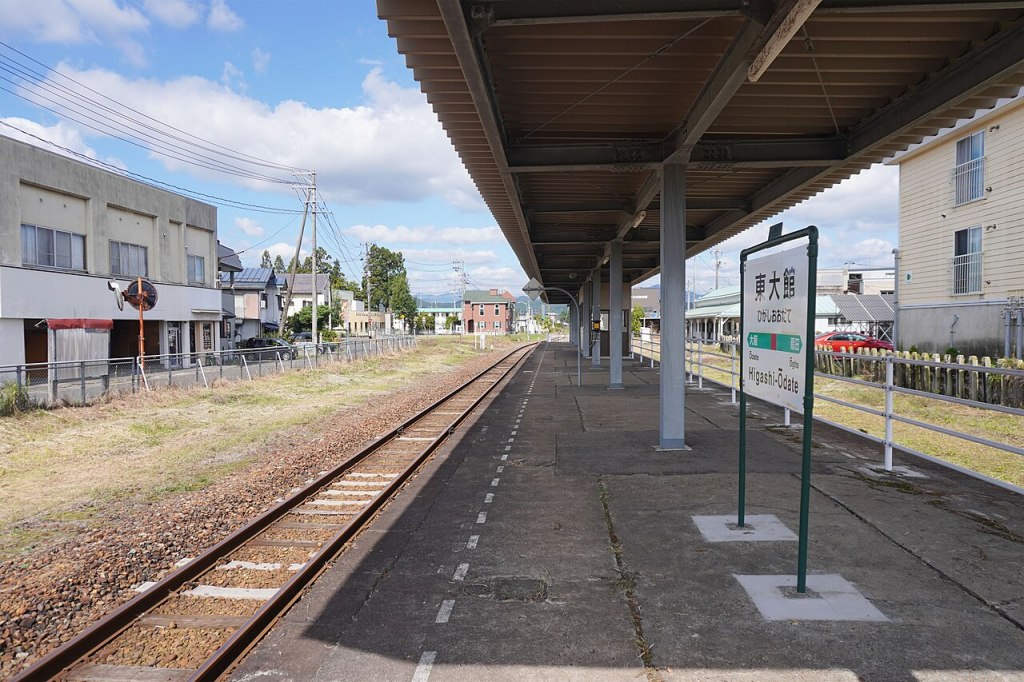
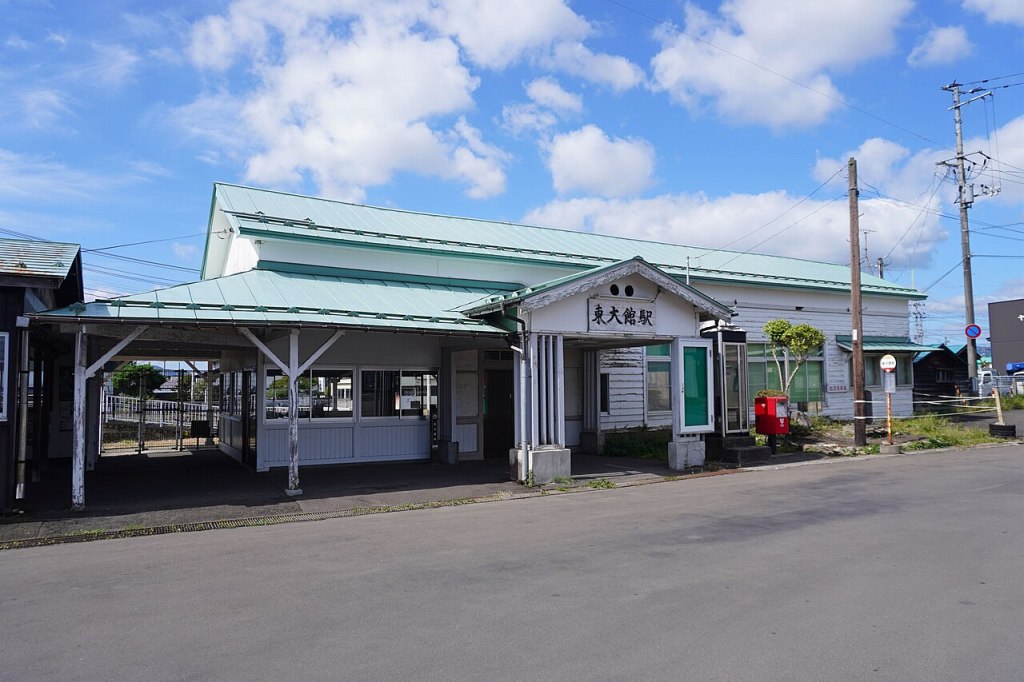
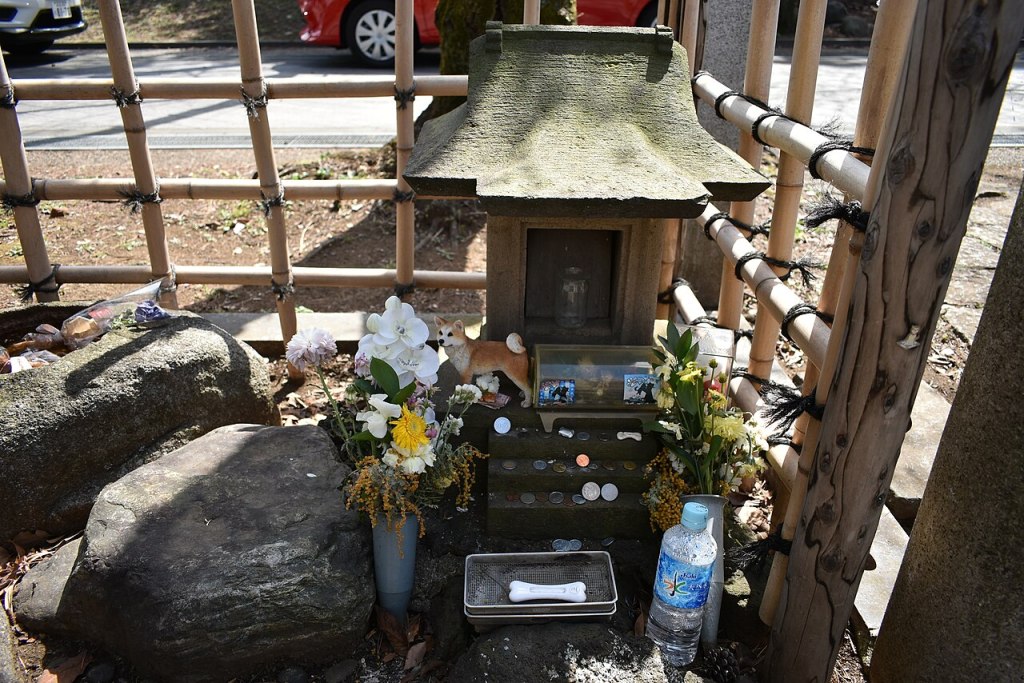
The Hachiko memorial
The city has a bronze statue of Hachiko and a small shrine to the dog, with the story of his life and his waiting at Shibuya station, and it is the place the local people bring their dogs. It is free and open. The story is the reason for the visit.
The Akita dog museum
The museum covers the breed, its history and its standards, with photographs, documents and the stories of the dogs, and it explains why the Akita is a national monument. It is small and specific. The staff are knowledgeable.
The kiritanpo hotpot
The pounded rice is skewered on cedar, grilled and then simmered in a pot with chicken, burdock and vegetables, and the restaurants of the city serve it in winter. The taste is the local identity. It is the thing to eat.
The kiritanpo shops
The shops make the skewers by hand, with the rice pounded and shaped, and some offer demonstrations and the chance to grill your own. The vacuum-packed versions are the souvenir. The craft is simple and old.
Lake Towada
The lake in the mountains to the east is one of the most beautiful in the north, with the caldera, the forest and the boat trips, and it is about an hour from the city. The autumn colour is exceptional. The roads close in winter.
The Shirakami mountains
The beech forest of the Shirakami is a World Heritage site, with the trails, the waterfalls and the quiet, and it is within reach of the city. The walking is the attraction. The access needs a car.
The winter
The city has deep snow and long winters, with the ski areas and the snow festivals, and the kiritanpo and the hot springs are the winter comfort. The snow is part of the identity. The season runs from December to March.
Food and drink
- Kiritanpo, the pounded rice skewer, is the local speciality, served in a hotpot.
- The local rice, the Hinai chicken and the vegetables are the base of the dish.
- The sake of northern Akita is dry and clean.
- The sweets shops sell the traditional confections of the region.
- The winter dishes include the shottsuru hotpot and the preserved fish.
Getting there and around
- Odate is about two hours from Akita by the JR Ou main line, and about an hour from Hirosaki.
- The Akita shinkansen stops at Odate-Noshiro, with a bus or taxi to the city.
- The station is central, and the museum and the memorial are a short ride away.
- A car is the practical way to reach Lake Towada and the Shirakami mountains.
- The expressway connects the city with Akita and Aomori.
Where to stay
- Business hotels near the station are the practical choice.
- The onsen of the surrounding mountains have the larger inns.
- Lake Towada has the resort hotels and is an hour away.
- Book ahead in the autumn colour season and the winter weekends.
Best time to visit
- Spring is late, with snow on the mountains into April.
- Summer is short and green, the best season for the lake and the forest.
- Autumn is the colour season, from early October, and the busiest.
- Winter is deep snow, with the kiritanpo and the ski areas.
Practical tips
- The lake road closes in winter; check the conditions.
- The museum and the memorial keep limited hours.
- A car is essential for the lake and the Shirakami mountains.
- The winter driving needs snow tyres and care.
- The kiritanpo shops close early in the afternoon.
- The Akita dog is a large breed; ask before approaching the local dogs.
Suggested day-trip outline
- Morning: the train or shinkansen to Odate.
- Late morning: the Hachiko memorial and the dog museum.
- Lunch: kiritanpo hotpot.
- Afternoon: the kiritanpo shops and the town.
- Late afternoon: Lake Towada, if the roads are open.
- Evening: back to the city or a night at the onsen.
Before you go
Timetables, fares, admission fees, and seasonal access rules can change. Check the official tourism and transport sites linked below for the latest information before you travel.
Explore More of Japan
Published guides that pair with this one:
- Goshogawara Travel Guide: The Tachineputa Floats of Aomori
- Yamagata City Travel Guide: Bunshokan, Kajo Park and the Fruit Road
- Yonezawa Travel Guide: Uesugi Country, Beef and Castle Ruins
- Aomori City Travel Guide: The Fish Market, the Bay and the Snow Country
- Hanamaki Travel Guide: Miyazawa Kenji, Hot Springs and Wanko Soba
Browse every Tohoku guide on this site for the rest of the region.
Sources
- city.odate.akita.jp (checked 2026-11-06)
- japan.travel (checked 2026-11-06)


Leave a Reply