A practical English guide to Fukuchiyama in Kyoto: the castle, the railway museum and access from Kyoto and Osaka.
Operational details such as opening hours, admission fees, and train times can change. Prefer official pages and reconfirm before you travel (sources checked on 08 November 2026).
Why visit
- Fukuchiyama is a castle town in northern Kyoto Prefecture, in the basin of the Yura river, far from the temples of Kyoto city. It was a domain capital in the Edo period, and the castle still sits on a hill above the centre.
- The city is also a railway town, with lines towards Kyoto, Toyooka and the Sea of Japan, and a small museum of locomotives. The surrounding country has onsen, gorges and the roads into the Tango peninsula.
- Fukuchiyama is a practical stop for anyone heading north from Kyoto towards the coast, and a quieter castle town than those closer to the capital.
Top places and highlights
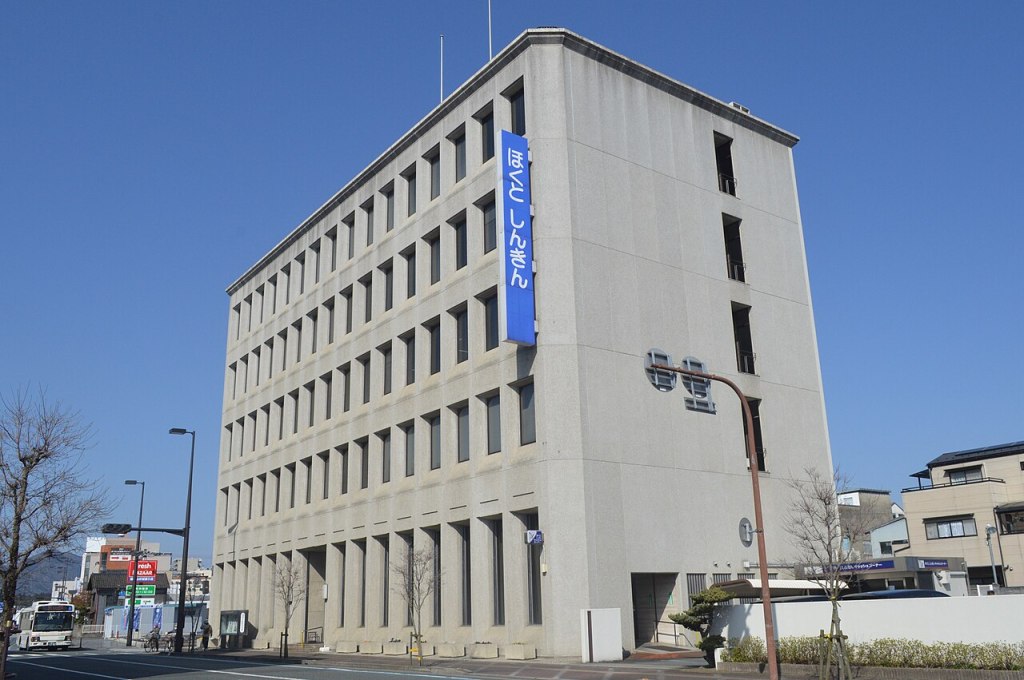
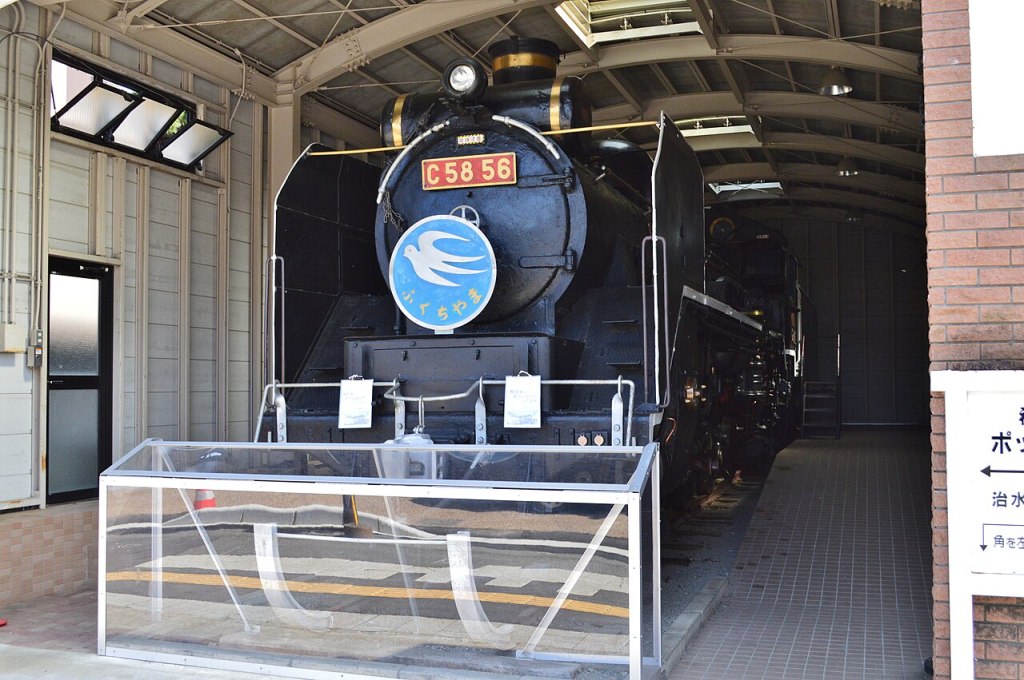
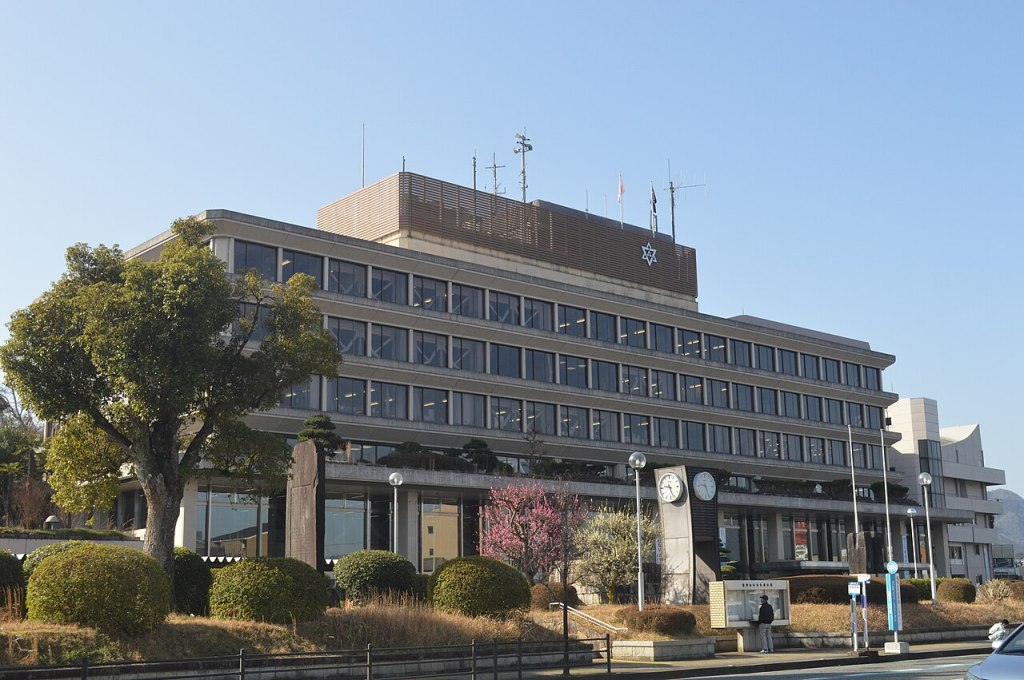
Castle hill
A reconstructed keep and park above the town.
Railway heritage
A junction town with a locomotive museum.
Basin streets
A practical centre of shops and stations.
Gateway north
Trains and roads towards the Tango coast.
Food and drink
- K
- y
- o
- t
- o
- c
- o
- u
- n
- t
- r
- y
- f
- o
- o
- d
- i
- s
- t
- h
- e
- r
- e
- f
- e
- r
- e
- n
- c
- e
- :
- s
- o
- b
- a
- ,
- v
- e
- g
- e
- t
- a
- b
- l
- e
- s
- ,
- r
- i
- v
- e
- r
- f
- i
- s
- h
- a
- n
- d
- l
- o
- c
- a
- l
- s
- a
- k
- e
- .
- F
- u
- k
- u
- c
- h
- i
- y
- a
- m
- a
- h
- a
- s
- r
- e
- s
- t
- a
- u
- r
- a
- n
- t
- s
- n
- e
- a
- r
- t
- h
- e
- s
- t
- a
- t
- i
- o
- n
- ,
- a
- n
- d
- t
- h
- e
- s
- h
- o
- p
- s
- s
- e
- l
- l
- l
- o
- c
- a
- l
- s
- w
- e
- e
- t
- s
- .
Getting there and around
- F
- u
- k
- u
- c
- h
- i
- y
- a
- m
- a
- i
- s
- o
- n
- t
- h
- e
- J
- R
- S
- a
- n
- i
- n
- m
- a
- i
- n
- l
- i
- n
- e
- a
- n
- d
- t
- h
- e
- F
- u
- k
- u
- c
- h
- i
- y
- a
- m
- a
- l
- i
- n
- e
- ,
- a
- r
- o
- u
- n
- d
- a
- n
- h
- o
- u
- r
- a
- n
- d
- a
- h
- a
- l
- f
- f
- r
- o
- m
- K
- y
- o
- t
- o
- a
- n
- d
- O
- s
- a
- k
- a
- ,
- a
- n
- d
- i
- s
- r
- e
- a
- c
- h
- e
- d
- b
- y
- r
- o
- a
- d
- o
- n
- r
- o
- u
- t
- e
- 9
- a
- n
- d
- t
- h
- e
- M
- a
- i
- z
- u
- r
- u
- –
- W
- a
- k
- a
- s
- a
- e
- x
- p
- r
- e
- s
- s
- w
- a
- y
- .
- T
- h
- e
- c
- a
- s
- t
- l
- e
- i
- s
- a
- s
- h
- o
- r
- t
- w
- a
- l
- k
- o
- r
- b
- u
- s
- f
- r
- o
- m
- t
- h
- e
- s
- t
- a
- t
- i
- o
- n
- .
Where to stay
- A
- c
- c
- o
- m
- m
- o
- d
- a
- t
- i
- o
- n
- i
- s
- m
- o
- s
- t
- l
- y
- b
- u
- s
- i
- n
- e
- s
- s
- h
- o
- t
- e
- l
- s
- a
- n
- d
- s
- m
- a
- l
- l
- i
- n
- n
- s
- ,
- w
- i
- t
- h
- m
- o
- r
- e
- c
- h
- o
- i
- c
- e
- i
- n
- K
- y
- o
- t
- o
- .
- I
- t
- i
- s
- a
- p
- r
- a
- c
- t
- i
- c
- a
- l
- o
- v
- e
- r
- n
- i
- g
- h
- t
- s
- t
- o
- p
- o
- n
- t
- h
- e
- n
- o
- r
- t
- h
- e
- r
- n
- r
- o
- u
- t
- e
- .
Best time to visit
- S
- p
- r
- i
- n
- g
- i
- s
- g
- r
- e
- e
- n
- ,
- w
- i
- t
- h
- b
- l
- o
- s
- s
- o
- m
- a
- t
- t
- h
- e
- c
- a
- s
- t
- l
- e
- .
- S
- u
- m
- m
- e
- r
- i
- s
- h
- o
- t
- a
- n
- d
- h
- u
- m
- i
- d
- .
- A
- u
- t
- u
- m
- n
- i
- s
- c
- l
- e
- a
- r
- a
- n
- d
- q
- u
- i
- e
- t
- .
- W
- i
- n
- t
- e
- r
- i
- s
- c
- o
- l
- d
- ,
- w
- i
- t
- h
- s
- n
- o
- w
- i
- n
- t
- h
- e
- h
- i
- l
- l
- s
- .
Practical tips
- The castle closes on certain days; check in advance.
- Some museum exhibits are Japanese only.
- Winter trains can be delayed by snow.
Suggested day-trip outline
- Morning: train from Kyoto.
- Late morning: the castle and the park.
- Lunch: soba or a local set meal.
- Afternoon: the railway museum and the centre.
- Late afternoon: a walk along the river.
- Evening: dinner in town, or on to the coast.
Before you go
Timetables, fares, admission fees, and seasonal access rules can change. Check the official tourism and transport sites linked below for the latest information before you travel.
Explore More of Japan
Published guides that pair with this one:
- Ayabe Travel Guide: A Shrine Town in Rural Kyoto
- Azuchi Travel Guide: Nobunaga’s Castle and the Lake Shore
- Kameyama Travel Guide: A Tokaido Castle Town in Mie
- Maizuru Travel Guide: Kyoto’s Naval Port on the Japan Sea
- Osaka Castle Travel Guide: The Keep, the Park and the Siege That Ended an Era
Browse every Kansai guide on this site for the rest of the region.
Sources
- city.fukuchiyama.lg.jp (checked 2026-11-08)
- kyoto.travel (checked 2026-11-08)


Leave a Reply