A practical English guide to Iwakuni in Yamaguchi: the Kintai bridge, the old samurai quarter and access from Hiroshima.
Operational details such as opening hours, admission fees, and train times can change. Prefer official pages and reconfirm before you travel (sources checked on 08 November 2026).
Why visit
- Iwakuni is a city in eastern Yamaguchi, on the Nishiki river, and it is known for one of the most famous bridges in Japan. The Kintai bridge crosses the river in a series of wooden arches, built in the seventeenth century and rebuilt since, and it is the image of the city.
- Beyond the bridge, the old samurai quarter has streets of white walls and canals, and the hill above holds the site of the castle with a view over the town. The city is a base for the surrounding mountains and the coast of the Seto Inland Sea.
- Iwakuni is on the Sanyo shinkansen, close to Hiroshima, which makes it an easy day trip, and it is one of the most visited places in the region, with crowds at the bridge in spring and autumn.
Top places and highlights
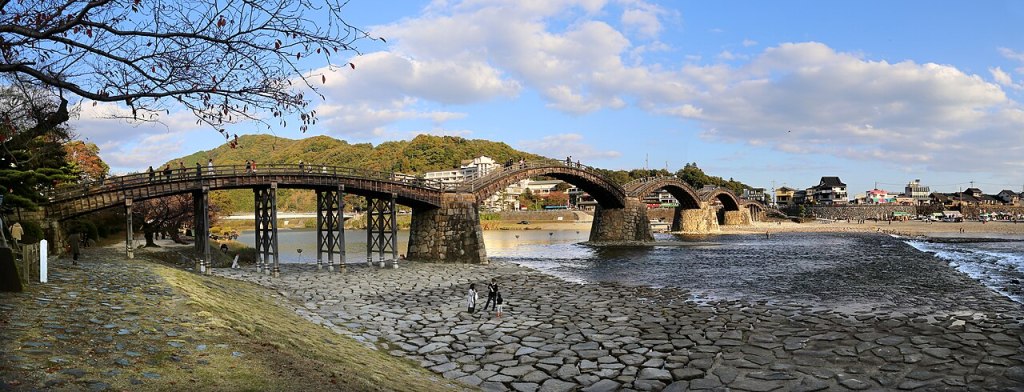
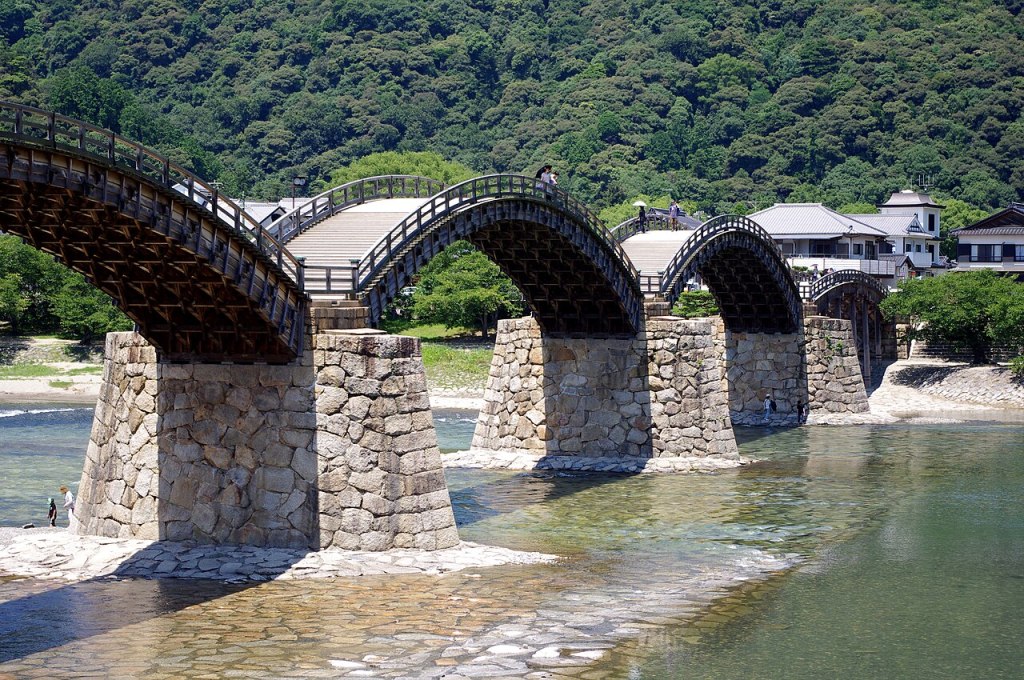
Kintai bridge
The wooden arched bridge over the Nishiki river.
Samurai quarter
Streets of white walls and canals below the castle hill.
Castle site
A hilltop site with a view over the town and the river.
River and mountains
The Nishiki river and the hills around the city.
Food and drink
- Y
- a
- m
- a
- g
- u
- c
- h
- i
- f
- o
- o
- d
- i
- s
- s
- e
- a
- f
- o
- o
- d
- a
- n
- d
- l
- o
- c
- a
- l
- c
- o
- o
- k
- i
- n
- g
- :
- f
- i
- s
- h
- ,
- s
- u
- s
- h
- i
- ,
- f
- u
- g
- u
- i
- n
- s
- e
- a
- s
- o
- n
- a
- n
- d
- s
- a
- k
- e
- .
- I
- w
- a
- k
- u
- n
- i
- h
- a
- s
- r
- e
- s
- t
- a
- u
- r
- a
- n
- t
- s
- n
- e
- a
- r
- t
- h
- e
- b
- r
- i
- d
- g
- e
- a
- n
- d
- t
- h
- e
- s
- t
- a
- t
- i
- o
- n
- ,
- a
- n
- d
- s
- h
- o
- p
- s
- s
- e
- l
- l
- i
- n
- g
- l
- o
- c
- a
- l
- s
- w
- e
- e
- t
- s
- a
- n
- d
- f
- i
- s
- h
- c
- a
- k
- e
- s
- .
Getting there and around
- I
- w
- a
- k
- u
- n
- i
- i
- s
- o
- n
- t
- h
- e
- S
- a
- n
- y
- o
- s
- h
- i
- n
- k
- a
- n
- s
- e
- n
- a
- n
- d
- t
- h
- e
- S
- a
- n
- y
- o
- m
- a
- i
- n
- l
- i
- n
- e
- ,
- a
- r
- o
- u
- n
- d
- t
- w
- e
- n
- t
- y
- m
- i
- n
- u
- t
- e
- s
- f
- r
- o
- m
- H
- i
- r
- o
- s
- h
- i
- m
- a
- ,
- a
- n
- d
- i
- s
- r
- e
- a
- c
- h
- e
- d
- b
- y
- r
- o
- a
- d
- o
- n
- r
- o
- u
- t
- e
- 2
- .
- T
- h
- e
- b
- r
- i
- d
- g
- e
- a
- n
- d
- t
- h
- e
- o
- l
- d
- q
- u
- a
- r
- t
- e
- r
- a
- r
- e
- a
- s
- h
- o
- r
- t
- b
- u
- s
- r
- i
- d
- e
- f
- r
- o
- m
- I
- w
- a
- k
- u
- n
- i
- s
- t
- a
- t
- i
- o
- n
- .
Where to stay
- A
- c
- c
- o
- m
- m
- o
- d
- a
- t
- i
- o
- n
- i
- s
- m
- o
- s
- t
- l
- y
- b
- u
- s
- i
- n
- e
- s
- s
- h
- o
- t
- e
- l
- s
- a
- n
- d
- s
- m
- a
- l
- l
- i
- n
- n
- s
- ,
- w
- i
- t
- h
- m
- o
- r
- e
- c
- h
- o
- i
- c
- e
- i
- n
- H
- i
- r
- o
- s
- h
- i
- m
- a
- .
- M
- a
- n
- y
- v
- i
- s
- i
- t
- o
- r
- s
- c
- o
- m
- e
- a
- s
- a
- d
- a
- y
- t
- r
- i
- p
- .
Best time to visit
- S
- p
- r
- i
- n
- g
- i
- s
- t
- h
- e
- s
- e
- a
- s
- o
- n
- f
- o
- r
- b
- l
- o
- s
- s
- o
- m
- a
- t
- t
- h
- e
- b
- r
- i
- d
- g
- e
- .
- S
- u
- m
- m
- e
- r
- i
- s
- h
- o
- t
- a
- n
- d
- h
- u
- m
- i
- d
- ,
- w
- i
- t
- h
- c
- o
- r
- m
- o
- r
- a
- n
- t
- f
- i
- s
- h
- i
- n
- g
- o
- n
- t
- h
- e
- r
- i
- v
- e
- r
- .
- A
- u
- t
- u
- m
- n
- i
- s
- t
- h
- e
- b
- e
- s
- t
- s
- e
- a
- s
- o
- n
- f
- o
- r
- c
- o
- l
- o
- u
- r
- .
- W
- i
- n
- t
- e
- r
- i
- s
- c
- o
- l
- d
- ,
- w
- i
- t
- h
- q
- u
- i
- e
- t
- s
- t
- r
- e
- e
- t
- s
- .
Practical tips
- The bridge is busy in spring and autumn; go early.
- Cormorant fishing is seasonal; check dates.
- The old quarter is a lived-in area; keep to the streets.
Suggested day-trip outline
- Morning: shinkansen to Shin-Iwakuni or train to Iwakuni.
- Late morning: the Kintai bridge.
- Lunch: a local restaurant near the bridge.
- Afternoon: the samurai quarter and the castle hill.
- Late afternoon: the river and the town.
- Evening: back to Hiroshima.
Before you go
Timetables, fares, admission fees, and seasonal access rules can change. Check the official tourism and transport sites linked below for the latest information before you travel.
Explore More of Japan
Published guides that pair with this one:
- Hofu Travel Guide: Tenmangu and Old Yamaguchi
- Yanai Travel Guide: Goldfish Lanterns on the Seto Inland Sea
- Yamaguchi Travel Guide: Ruriko-ji Pagoda and the Western Capital
- Kintaikyo Bridge Travel Guide: Iwakuni’s Five Arches
- Kudamatsu Travel Guide: A Port and Manufacturing Town in Yamaguchi
Browse every Chugoku guide on this site for the rest of the region.
Sources
- yamaguchi-tourism.jp (checked 2026-11-08)
- pref.yamaguchi.lg.jp (checked 2026-11-08)


Leave a Reply