A practical English guide to the Yanesen district: Yanaka Ginza, Yanaka Cemetery, Nezu Shrine, Kayaba Coffee, and a walking route from Nippori.
Operational details such as opening hours, admission fees, and train times can change. Prefer official pages and reconfirm before you travel (sources checked on 05 November 2026).
Why visit
- Yanaka, Nezu and Sendagi sit together in the north-east of central Tokyo, and they are known collectively as Yanesen. What makes them worth a day is not a single sight but what survived here: a low-rise, pre-war neighbourhood of wooden shopfronts, temple grounds and narrow lanes that the twentieth century largely passed by, ten minutes from one of the busiest stations on the Yamanote line.
- The area escaped both the 1923 earthquake damage and the wartime firebombing that rebuilt most of the city in concrete, so the street pattern and many of the buildings are genuinely old rather than restored. Yanaka Ginza is a 170-metre shopping street of about 60 to 70 shops that still sells to local residents, and the lanes around it hold temples, cemeteries, craft workshops and coffee shops in converted wooden houses.
- Nezu Shrine anchors the southern end, a rare surviving example of early Edo shrine architecture and a national Important Cultural Property, with a tunnel of vermilion torii on the hillside and about 3,000 azaleas that open for a month each April. It is free to enter most of the year and takes perhaps an hour; the azalea garden during the festival costs a small donation and is the one time the shrine draws real crowds.
- The district rewards a particular kind of traveller: one who is happy to walk without a checklist, stop for coffee, look at a temple gate, buy a croquette from a counter and keep going. It is the best half-day in Tokyo for seeing how the city lived before it became this one, and it works equally well as a break from the museums of Ueno just to the south.
Top places and highlights
Yanaka Ginza and Yuyake Dandan
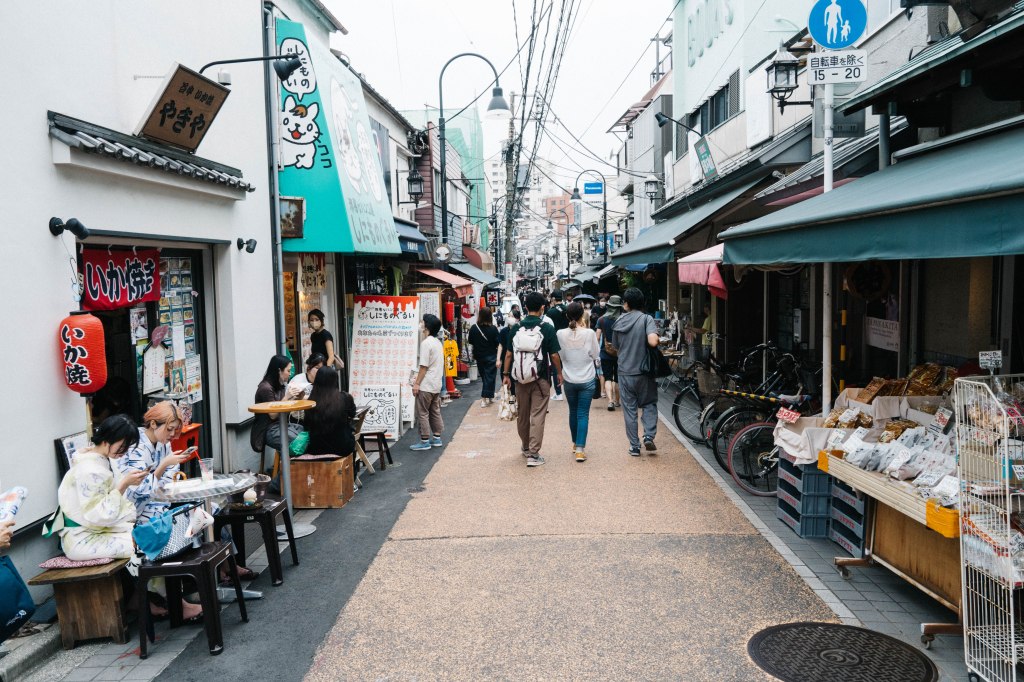
The shopping street runs about 170 metres with some 60 to 70 shops, and it is still a working neighbourhood street rather than a stage set: fishmongers, greengrocers, rice crackers, croquettes, traditional sweets and a few craft shops, with lanterns strung overhead. The classic approach is from the west, down the stone steps called Yuyake Dandan, the sunset steps, which give a view along the street and are the photograph everyone takes. Arrive from Nippori Station and walk through the cemetery first, so that you descend the steps the way the neighbourhood expects. The street is compact and gets busy at weekends and holidays, when the pavements fill and progress slows; a weekday morning is far calmer. Look for the small cat motifs and statues scattered along the street, and note that cats are the district’s unofficial mascot in shop windows as well as in the alleys.
Yanaka Cemetery
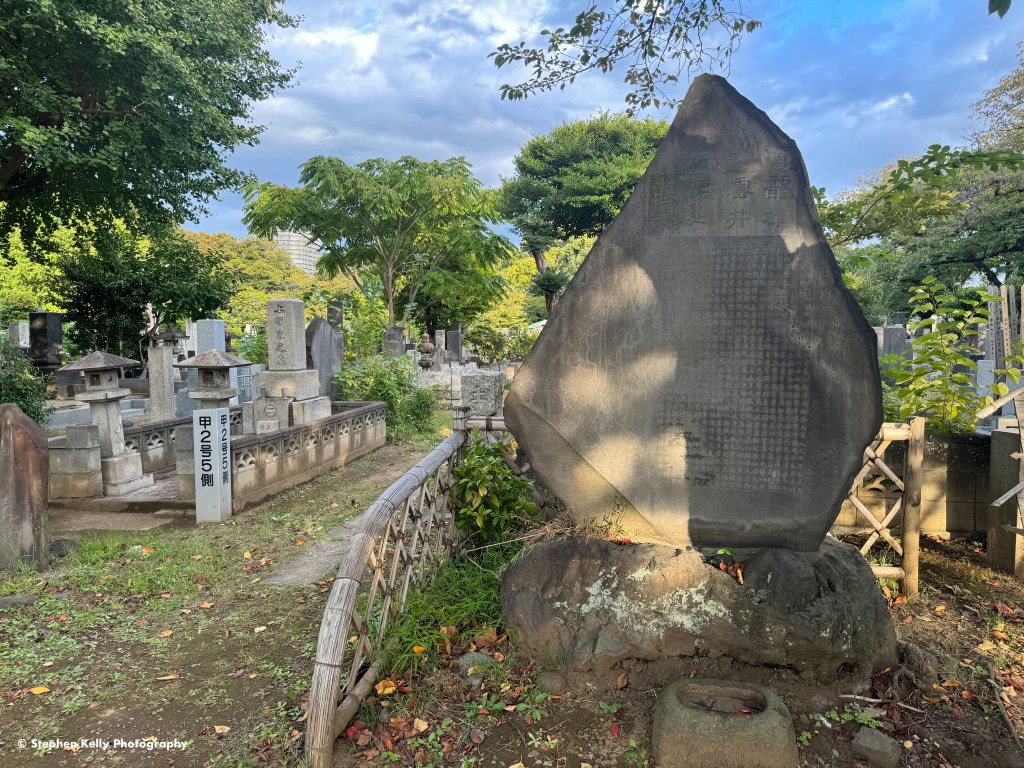
This is one of the largest cemeteries in Tokyo, laid out on the high ground beside Nippori Station, and it is open to walkers from 8:30 to 17:30 with no charge. The main avenue is a broad, tree-lined path that in spring becomes one of the city’s better cherry blossom walks, though blossom-viewing parties are not allowed here. Among the graves are those of the actor Hasegawa Kazuo and the painter Yokoyama Taikan, and the site of the former five-storey pagoda, destroyed in 1957, is marked. The Tokugawa Yoshinobu tomb is reached by a stone path with steps, which rules it out for wheelchairs. Because it is a working cemetery, keep voices low, do not photograph mourners, and stay on the paths; the reward is a quiet, green half-hour that feels nothing like central Tokyo.
Nezu Shrine
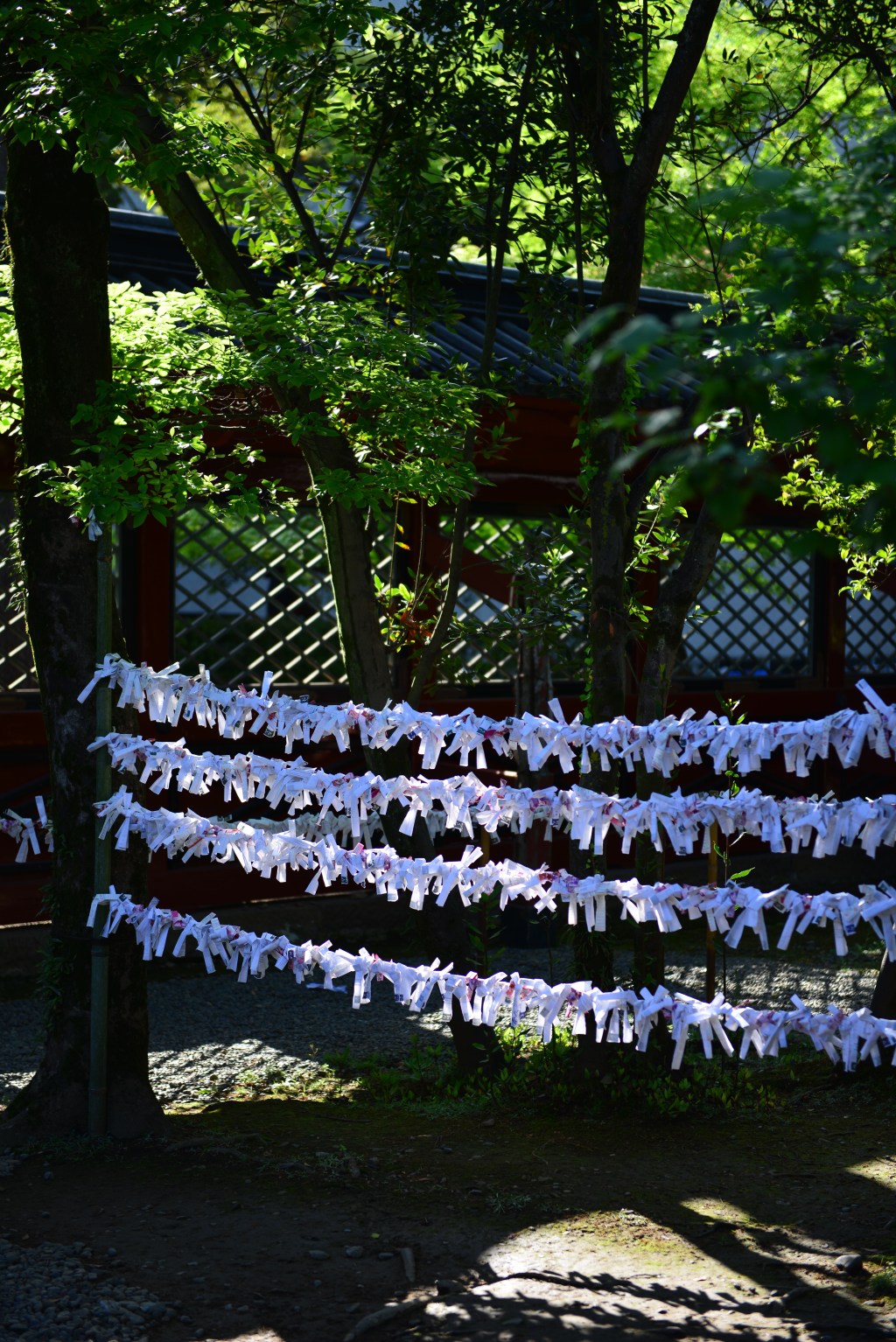
Nezu Shrine is the architectural highlight of the walk, and the reason to come south rather than turning back at Yanaka Ginza. The present buildings date from the early eighteenth century and are the largest surviving example of Edo-period shrine architecture, with the main hall, the tower gate and several other structures designated national Important Cultural Properties. The vermilion Sakura-mon gate and the row of red torii climbing the slope behind it are the images most visitors come for, and the grounds also hold Otome Inari Shrine, popular for luck in love. Entry is free and the grounds can be walked in about twenty minutes, though an hour is more realistic if you stop. The gate closes at 18:00 from March to September, 17:30 in February and October, and 17:00 from November to January; the amulet office shuts thirty minutes earlier. There is a paid car park for about 23 cars beside the north entrance, but the shrine is a five-minute walk from three different stations, so driving is unnecessary.
The azalea garden in April
Behind the shrine buildings, a slope of about 3,000 azaleas of roughly 100 varieties opens to the public only in April, during the Bunkyo Azalea Festival. The garden runs from 9:00 to 17:30 through the month, opening at 11:00 on the first day, and asks a donation of 500 to 1,000 yen depending on the date, with children twelve and under free. Because the varieties flower early, mid and late, the slope changes through the month: the start of April is the contrast of first blooms against new green, mid-April has the most open at once, and late April belongs to the late varieties. Expect entry restrictions at peak times. The rules are strict and worth knowing before you queue: no pets, no eating or drinking inside, no tripods or monopods, and no re-entry. The festival also brings stalls and events, including guided walks, drum performances and a market, so check the schedule if you want one.
Kayaba Coffee and the old wooden houses
Kayaba Coffee is the district’s best-known building: a wooden house put up in 1916 that traded as a coffee shop from 1938 until the owner’s death in 2006, then reopened in 2009 after a community-led renovation, keeping the Showa-era interior. It sits at a corner in Yanaka, and the upstairs seats look out over the street; expect a queue at weekends and a short menu of coffee, toast and simple meals rather than a full restaurant. Nearby, the three old houses of Ueno Sakuragi Atari, built in the early twentieth century, now hold a beer hall, a shop and community space, and a number of other machiya-style buildings in the lanes have become galleries, bakeries and craft shops. This is the part of the walk to slow down for: the pleasure is in the interiors and the doorways rather than in any single address.
Temples, craft shops and the back lanes
The lanes between Yanaka Ginza and Nezu hold a dense cluster of temples, several of them with roofed mud walls and old gates, and the walk between them is the real substance of the district. Kannonji Temple, a couple of minutes from the station side, has a roofed mud wall that is one of the few surviving examples of its kind in the city. Yomise-dori runs between the cemetery and the shopping street and takes about fifteen minutes to walk. Scattered through the blocks are shops selling handmade paper, bamboo ware, tenugui cloth and sweets, many of them family businesses that have been in the same building for generations. Because the streets are narrow and often without pavements, walk on the edge and watch for cars and bicycles; this is a residential area first, and the quiet is part of what you came for.
Food and drink
- Yanaka Ginza is snack territory rather than restaurant territory: croquettes, grilled squid, sweet potatoes, chestnuts, rice crackers and sweets, mostly eaten standing or walking. Prices are low and portions small, which suits grazing through the afternoon.
- Several shops sell cat-shaped and cat-themed sweets, a local trademark rather than a gimmick imported from elsewhere. They make easy small gifts and photograph well.
- Kayaba Coffee serves a short menu of coffee, toast, sandwiches and simple plates in the 1916 wooden house. It is a good sit-down stop, but queue times at weekends can be long and the kitchen is not built for a full meal.
- Ueno Sakuragi Atari, a short walk towards Ueno, has a beer hall in a converted early twentieth-century house, useful if you want a proper sit-down break with a drink rather than another street snack.
- For a full meal, the streets around Nezu Station and the southern end of the walk have more restaurants than Yanaka itself, including soba, ramen and small set-meal places used by residents. The Ueno area, ten minutes south, has the widest choice.
- Note that eating while walking is tolerated on the shopping street in practice but is not done everywhere in the district; in temple grounds and the cemetery, take food elsewhere.
Getting there and around
- Nippori Station is the usual starting point: JR Yamanote, Keihin-Tohoku and Joban lines, the Keisei line and the Nippori-Toneri Liner all stop there, and the east exit puts you a few minutes from the cemetery and the top of the hill. From Tokyo Station it is about 12 minutes on the Yamanote line, from Shinjuku about 20.
- The metro alternative is the Chiyoda line to Nezu or Sendagi Station, both about five minutes on foot from Nezu Shrine and useful if you want to walk the district from south to north. Todaimae Station on the Namboku line is also about five minutes away.
- Allow 15 minutes on foot from Nippori’s east exit to Yanaka Cemetery, then about 13 minutes from the cemetery to Yomise-dori and the top of Yuyake Dandan. The route descends from the high ground, which is the sensible direction given how many slopes the district has.
- To connect Yanaka Ginza with Nezu Shrine, the Toei bus route 58 from Sendagisanchome to Nezu-jinja-iriguchi takes about four minutes and covers three stops, followed by a four-minute walk. Walking the whole stretch takes about 15 minutes and is the better option if the weather is fine.
- Taito City’s Megurin loop bus links Yanaka Cemetery, Yanaka Ginza and Yomise-dori, which helps if the walk is too long or the weather turns.
- From Haneda Airport the journey is about 55 minutes by train; from Narita about one hour twenty. Both routes involve at least one change, so allow for it with luggage.
- Sendagi Station has a lift between exits 1 and 2, and the cemetery has wheelchair-accessible toilets in two places, open 8:30 to 17:00. Beyond those points the district is hilly, with narrow pavements and steps at Yuyake Dandan, so plan a shorter route if mobility is a concern.
Where to stay
- Yanesen itself has very little accommodation: a handful of small guesthouses and apartments rather than hotels. Staying here suits travellers who want early mornings in the lanes, but availability is limited and books out.
- Ueno, ten minutes south, is the practical base, with the widest range of hotels in the area and direct access to both Nippori and Nezu. It also puts the museums and Ueno Park within walking distance.
- Nippori and Nishi-Nippori have business hotels close to the station, convenient for a one-night stop or an early start, though the immediate area is utilitarian rather than charming.
- Ikebukuro, Shinjuku and Tokyo Station are all within 10 to 25 minutes by train and offer far more choice; Yanesen works perfectly well as a half-day trip from a central hotel rather than a place to sleep.
Best time to visit
- April is the peak and the reason many people come: the azaleas at Nezu Shrine open through the month, cherry blossom lines the cemetery avenue early on, and the weather is mild. Expect the shrine garden to be busy and the shopping street to be crowded at weekends.
- Autumn, from late October to November, is the other good season, with comfortable walking temperatures and colour in the temple grounds. The lanes are quieter than in spring and the light on the old wooden buildings is at its best.
- Summer is hot and humid, and the district has little shade on the shopping street; if you come in July or August, walk early and plan indoor stops such as the coffee shops and galleries.
- Winter is quiet and cold but rarely severe, and the low buildings and bare trees make the street pattern easier to see. New Year is the exception, when Nezu Shrine fills with hatsumode visitors and the shopping street is at its busiest.
Practical tips
- Walk it southwards: start at Nippori Station, go through the cemetery, descend Yuyake Dandan into Yanaka Ginza, then continue to Nezu Shrine and finish at Nezu or Sendagi Station. Doing it in reverse means climbing the steps at the end.
- Come on a weekday if you can. The shopping street is a working street, but weekends and holidays bring crowds that make the narrow pavements slow and the coffee queues long.
- Bring cash. Many of the small shops and snack counters on Yanaka Ginza do not take cards, and the same is true of some temple amulet offices.
- Do not treat the cemetery as a park. Keep voices low, stay on the paths, and do not photograph people visiting graves; the cherry blossoms there are not a picnic spot.
- If you want the azalea garden, check the festival dates and the opening time before you go, and note the rules: no pets, no food or drink, no tripods, no re-entry. The donation varies by date.
- Nezu Shrine’s gate closes at 18:00 from March to September but at 17:00 from November to January, with the amulet office thirty minutes earlier. Plan the order of the walk around the season rather than assuming a late finish.
- The district is residential. Keep phone calls short, do not block doorways for photographs, and remember that the quiet lanes are someone’s front street.
- Combine the walk with Ueno: the museums and park are a short bus or 15-minute walk south, which makes a full day out of a half-day neighbourhood.
Suggested day-trip outline
- Morning: arrive at Nippori Station, walk 15 minutes to Yanaka Cemetery and follow the main avenue, then continue downhill past Kannonji’s roofed mud wall.
- Late morning: descend Yuyake Dandan into Yanaka Ginza, work along the 170-metre street for snacks and small shops, then take the lanes south towards Nezu.
- Lunch: eat on the street or sit down at Kayaba Coffee or one of the soba and set-meal places near Nezu Station, depending on how much time you have.
- Afternoon: Nezu Shrine, including the torii tunnel and, in April, the azalea garden, then finish at Nezu or Sendagi Station.
- Optional evening: continue south to Ueno for the park and museums, or back to Nippori for the train, with a stop at Ueno Sakuragi Atari’s beer hall on the way.
Before you go
Timetables, fares, admission fees, and seasonal access rules can change. Check the official tourism and transport sites linked below for the latest information before you travel.
Explore More of Japan
Published guides that pair with this one:
- Asakusa and Senso-ji Travel Guide: Temple Gates, Nakamise and the Sumida River
- Kawagoe Travel Guide: Warehouse Streets Near Tokyo
- Tokyo Travel Guide: Neighborhoods, Transport and a First-Timer’s Plan
- Ushiku Daibutsu Travel Guide: Ibaraki’s Giant Buddha
- Meiji Jingu and Harajuku Travel Guide: Shrine Forest, Takeshita Street and Omotesando
- Mount Takao Travel Guide: A Temple Hike on the Edge of Tokyo
- Shibuya Travel Guide: SHIBUYA SKY, Scramble Crossing & Things to Do in Tokyo
- Tokyo Skytree Travel Guide: Tembo Deck, Tickets, and How to Get There
- Tsukiji Outer Market Guide: What to Eat and When to Go
Browse every Kanto guide on this site for the rest of the region.
Sources
- gotokyo.org (checked 2026-11-05)
- nedujinja.or.jp (checked 2026-11-05)
- nedujinja.or.jp (checked 2026-11-05)
- sangyo-rodo1.metro.tokyo.lg.jp (checked 2026-11-05)
- city.bunkyo.lg.jp (checked 2026-11-05)
- japan.travel (checked 2026-11-05)


Leave a Reply