Plan a visit to Ainan in Kochi for its deep bays, the clear water of the Ashizuri coast and the fishing ports of the far south.
Operational details such as opening hours, admission fees, and train times can change. Prefer official pages and reconfirm before you travel (sources checked on 03 November 2026).
Why visit
- Ainan is the far south-west corner of Shikoku, where Ehime Prefecture narrows into a coast of deep inlets and rocky headlands facing the Bungo Channel, and it is the one part of the island where coral grows. The sea here is warm enough for a reef, and the Uwa Sea marine park off Kashima and Funakoshi holds a dense community of coral and tropical fish in water clear enough to see from a boat. It is the closest thing to a tropical sea in Shikoku, and it is almost unknown outside the region.
- The way to see it is the underwater observation boat, and it is a strange and good experience. The Yume Kaina and the Gaiyana 2 have windows below the waterline, and they run out over the reef for a slow pass above the coral beds, with the fish at eye level rather than behind glass in an aquarium. It is not diving, it does not require getting wet, and it works for anyone from small children to people who cannot swim.
- Kashima is the other half of the trip. The island was a hunting ground of the Date family of Uwajima domain, and because of that it kept its wildlife: there are wild monkeys and deer on the island, and a coral beach on the north-east side where you can snorkel straight off the sand. It has a campsite and a swimming beach, and it is recognised as one of the 88 best swimming grounds in Japan.
- The coast beyond the marine park is the reason to drive here rather than take a tour. The 88 Scenic Views of Shikoku project lists two from Ainan: the Daruma sunset over Sukumo Bay with the island of Kanyojima, where the sun sets and the shape appears as a round red figure in the water, and the line of cliffs above the open Pacific on the southern edge of the town. Both are places to be at a particular hour rather than to visit.
- The history on land is unexpected for the far end of the island. The 40th temple of the Shikoku pilgrimage, Kanjizai-ji, stands in the town at Misyo, and it is a large and busy temple rather than a rural stop, with a gate that pilgrims pass through in numbers. The Shidenkai museum commemorates the Japanese fighter aircraft recovered from the seabed off the coast, which is a different and more difficult local history.
- The practical case is that Ainan is genuinely remote and rewards the effort. It is about an hour by bus from Uwajima Station, 30 minutes from Sukumo Station on the Tosa Kuroshio line, and 35 minutes from the Tsushima-Iwamatsu interchange, and the town itself is a string of small settlements along the coast rather than a single centre. The food is the other reason: this is a fishing town, and the market canteens serve what was landed that morning.
Top places and highlights
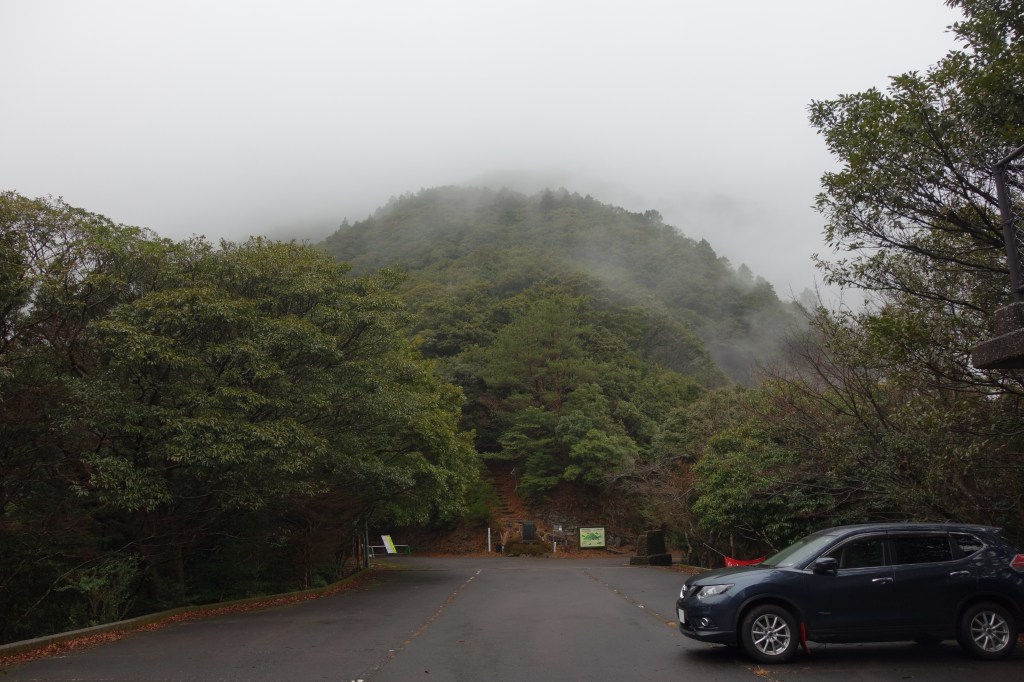
The Uwa Sea marine park
The reef off Funakoshi is the northern limit of a coral community in this part of Japan, and the water is clear enough that the observation boats can show it. The Yume Kaina costs 2,300 yen for adults and 1,150 for children, and the Gaiyana 2 costs 2,100 and 1,050, with under-sixes free. The boats do not sail in rough weather or when the water is murky, so the day has to be checked before setting out.
The underwater observation boats
The windows are below the waterline and the boat moves slowly over the reef, so the coral and the fish are seen from underneath rather than from a deck. It is a 20-minute crossing to the grounds and the whole trip is short, which suits families. The operators run from the Senohama waiting room at Funakoshi, and the counter’s number is the one to call for the day’s sailings.
Kashima
The island is reached by a five-minute ferry from Funakoshi for 1,000 yen for adults and 500 for children, and it has a coral beach, a campsite, a swimming area and a population of wild monkeys and deer that comes from its history as a Date hunting preserve. It is one of Japan’s 88 best swimming grounds and it is quiet even in August. There is also a winter ferry from Kamekura for the same price.
The Daruma sunset
Sukumo Bay, on the western side of the town, is where the sun sets behind the island of Kanyojima and the shape appears as a round red daruma in the water rather than a simple disc. It is one of the 88 Scenic Views of Shikoku and it is a specific optical effect of the island’s profile. It happens only on the right days of the year, so the date matters.
The southern cliffs
The second of Ainan’s 88 views is the line of cliffs on the Pacific side, where the rock drops to the open ocean and the horizon is unbroken. The road along the southern edge is narrow and quiet, and the viewpoints look out over water that has nothing beyond it until the Philippines. It is the wildest landscape in the town.
Kanjizai-ji
The 40th temple of the Shikoku pilgrimage is in the town, and it is one of the larger temples on the route, with a long approach and a busy precinct. It is the place where the pilgrimage re-enters the populated coast after the mountains, and the pilgrim traffic gives the town a rhythm that the fishing alone would not. It is free and open through the day.
The Shidenkai museum
The museum displays a Japanese fighter recovered from the seabed off the coast, and it tells the story of the pilots and the training units based here at the end of the war. It is a small local museum with an aircraft at its centre, and it is the kind of history that the coastal towns of Shikoku hold without much ceremony. It is free or nearly so, and it takes half an hour.
Food and drink
- Ainan is a fishing town, and the market canteens, the Shijo Shokudo among them, serve the catch of the day at prices set for fishermen rather than tourists. The fish is the reason to eat here: sea bream, horse mackerel, bonito and the small sardines of the Uwa Sea.
- The local speciality is the sea bream, and the town is one of the largest producers in Japan, so it appears as sashimi, in rice and grilled. The bonito is landed in season and served seared, and the oysters and the seaweed come from the inlets.
- The citrus of Ehime is the other local food, and the mikan and the juices made from them are sold at the roadside stands and the markets. The udon and the sushi of the region are ordinary rather than remarkable, and the fish is the thing to order.
- There is little in the way of formal restaurants and the good places are the ones attached to the fishing port and the market, which open early and close when the fish is gone. That is the pattern to plan around, and it means lunch rather than dinner for the best of it.
Getting there and around
- By train and bus, the route is the JR Yosan Line to Uwajima, then the Uwajima bus towards Johen and Sukumo for about an hour to Ainan. The alternative is the Tosa Kuroshio Railway to Sukumo, then the bus towards Uwajima for about 30 minutes.
- By car from Matsuyama, take the Matsuyama Expressway to the Tsushima-Iwamatsu interchange, about an hour and 20 minutes, then Route 56 towards Ainan for about 35 minutes. From Kochi, take the Kochi Expressway to the Shimanto-Cho Chuo interchange, then Route 56 through Sukumo for about an hour and 50 minutes.
- The observation boats leave from Funakoshi, at the Senohama waiting room, and the island ferry for Kashima also leaves from there, five minutes across for 1,000 yen. The counter’s phone number is 0895-82-0280, and it is worth calling in the morning because the boats are cancelled in rough weather or when the water is not clear.
- The boats run from 8:00 to 17:00, with longer hours from 8:00 to 19:00 during the Golden Week period in April and May and from mid-July to the end of August. The winter Kamekura route to Kashima runs from November to March for the same fare.
- A car is the practical way to see the town, because the sights are spread along 30 kilometres of coast and the buses are infrequent. The roads are narrow in the settlements and the southern coast road is slow, but the traffic is light.
Where to stay
- Ainan has small hotels, minshuku and onsen lodges along the coast, including the hotels around the castle site at Johen and the lodges near the marine park. The town is not a resort and the accommodation is simple.
- Uwajima, an hour away, is the larger base with more hotels, the castle and the Date history, and Ainan becomes a day trip from it. Sukumo, 30 minutes west in Kochi, is the other option for the western end of the town.
- The campsite on Kashima is the unusual choice, with the coral beach and the wild deer, and it is the way to be on the island in the evening. It is seasonal and basic, and it needs booking in summer.
Best time to visit
- Summer is the season for the water, with the longest boat hours, the warmest sea and the swimming beaches open, and the coral at its clearest. It is also the busiest, and the ferries to Kashima fill in August.
- Spring and autumn are the best seasons for driving and walking, with mild weather, clear water and few visitors, and the citrus harvest in the autumn. The boats run on a shorter schedule than in summer but the sea is often calmer.
- Winter is quiet, with the Kamekura ferry to Kashima running from November to March and the sea at its clearest in the cold. The Daruma sunset is a winter effect on the right days, and the town is at its emptiest.
- The rainy season in June and the typhoon season from August to September are the periods to avoid for the boats, since the water turns murky and the sailings stop. The town’s own guidance is to call before travelling in any unsettled weather.
Practical tips
- Call the boat counter before you leave. The observation boats are cancelled in rough weather and when the water is not clear enough to see the coral, and the number is 0895-82-0280. Turning up and finding the boat tied up is the common disappointment here.
- Take cash. The boat tickets, the ferry, the market canteens and the small shops are cash businesses, and the ATMs are few outside the town centre. The boats cost 2,300 and 2,100 yen for adults and the ferry 1,000.
- Go in the morning for the water. The sea is calmest and clearest before the wind builds, and the boats run from 8:00, so an early crossing gives the best visibility and the fewest people.
- Combine the boat with the island. The ferry to Kashima leaves from the same place as the boats, and the coral beach and the monkeys are a half day on their own. Take food and water, since the island has little in the way of shops.
- Plan the sunset instead of happening upon it. The Daruma sunset over Sukumo Bay happens only on certain days of the year when the sun sets behind Kanyojima, and the local tourist association publishes the dates. It is worth timing the trip for.
- Eat at the market canteens at lunch. The fish is landed in the morning and the canteens close when it is gone, and dinner is a different and thinner proposition in a town this small. The sea bream is the local speciality and it is cheaper here than anywhere.
- Drive rather than rely on the buses. The town stretches along the coast, the buses are infrequent, and the best viewpoints are on the roads rather than at the stops. The southern coast road is narrow and slow but it is the reason to come.
Suggested day-trip outline
- Drive from Uwajima or Sukumo along Route 56 and stop first at Kanjizai-ji, the 40th temple of the pilgrimage, to see the scale of the pilgrim traffic. Then continue to Funakoshi and check in at the Senohama waiting room for the observation boat.
- Take the underwater boat over the Uwa Sea reef in the morning, when the water is calmest, and see the coral and the tropical fish through the windows below the waterline. The crossing is short, so leave time for the island.
- Take the five-minute ferry to Kashima and walk to the coral beach on the north-east side, snorkel if the water is warm, and look for the monkeys and deer that the Date hunting preserve left behind. Eat what you carried, since the island has almost nothing.
- Return in the afternoon and drive the southern coast road for the cliffs and the open Pacific, then go west for the Daruma sunset over Sukumo Bay if the date is right. Eat sea bream at a market canteen at lunch rather than waiting for dinner.
- Stay in Ainan or Uwajima for the night. With a second day, the Shidenkai museum and the fishing ports of the western coast fill the morning, and the drive back through the Sukumo valley is a different landscape from the coast.
Before you go
Timetables, fares, admission fees, and seasonal access rules can change. Check the official tourism and transport sites linked below for the latest information before you travel.
Explore More of Japan
Published guides that pair with this one:
- Cape Ashizuri Guide: Kochi’s Southern Tip
- Uwajima Castle Travel Guide: A Small Original Keep above the Port
- Kochi and Katsurahama Guide: The Pacific Coast and Ryoma
- Shimanto River Travel Guide: Japan’s Last Clear Stream and the Boats That Drift It
- Uchiko Guide: A Wax Town with a Wooden Theatre
- Shikoku Karst Travel Guide: The Highland Road, Stars, and Access
- Cape Muroto Travel Guide: Where the Pacific Meets the Geopark
- Kochi Castle Travel Guide: The Keep and Palace That Both Survive
- Mount Tsurugi Travel Guide: Shikoku’s Highest Peak by Ropeway
- Kotohiki Park Travel Guide: Kagawa’s Sand Coin and Coastal View
Browse every Shikoku guide on this site for the rest of the region.
Sources
- town.ainan.ehime.jp (checked 2026-11-03)
- town.ainan.ehime.jp — Access (checked 2026-11-03)
- ainan-marugoto.jp (checked 2026-11-03)
- ainan-marugoto.jp (checked 2026-11-03)
- skr.mlit.go.jp (checked 2026-11-03)


Leave a Reply