A practical English guide to the Besshi copper mine in Ehime: the Minetopia Besshi mining park, the Tonaru ruins, the mine railway and access from Niihama station.
Operational details such as opening hours, admission fees, and train times can change. Prefer official pages and reconfirm before you travel (sources checked on 05 November 2026).
Why visit
- Besshi is the mine that made modern Japan. Copper was found on the slope of the mountains above Niihama in 1691, and for the next 283 years the mine was worked continuously, through the Edo, Meiji, Taisho and Showa periods, until it closed in 1973 when the shafts reached a kilometre below sea level and the heat and rock pressure made it impossible to go deeper. In that time it produced about 650,000 tonnes of copper from 30 million tonnes of ore, and the fortunes made here became the Sumitomo group.
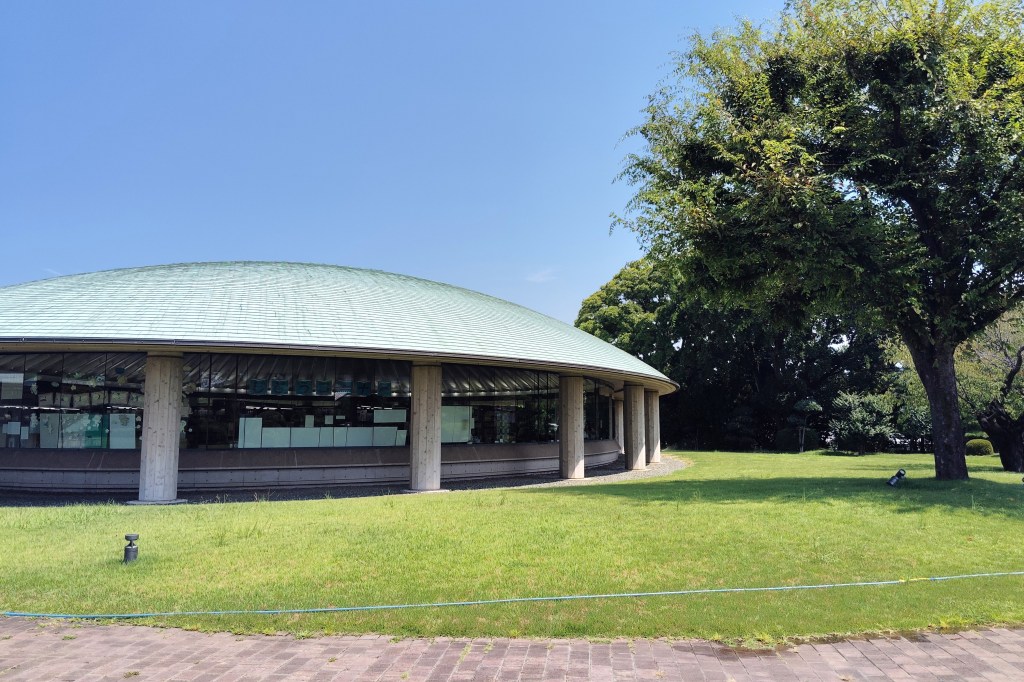
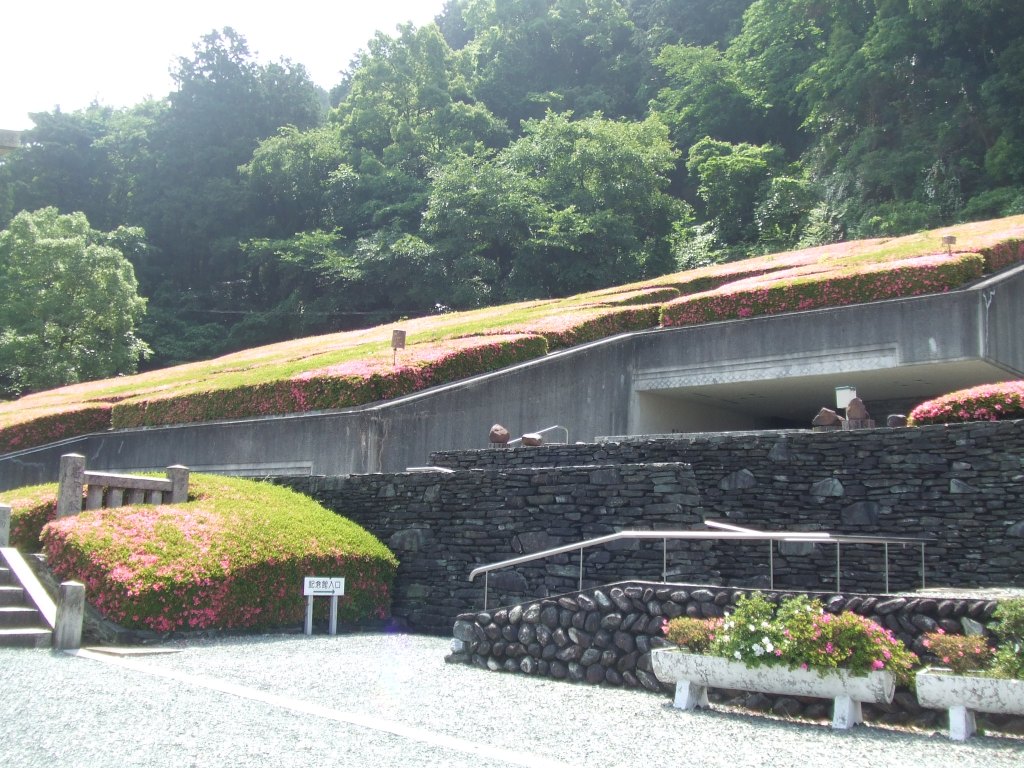
- What is left is one of the largest industrial heritage sites in Japan, and almost nobody visits it. The lower area at Hadaba is now a roadside station with a mining museum, a tunnel you ride into on a small train, a working hydroelectric plant from the early twentieth century, and a hot spring. Further up the mountain, at Tonaru, the ruins of the ore storage works and the cableway stations stand in the forest above the valley, which is why the Japanese call it the Machu Picchu of the East.
- The two areas are very different. Hadaba is a family attraction with restaurants and a car park. Tonaru is a silent ruin reached by a guided minibus on a single-track mountain road, and it is the one that stays with you: brick and concrete structures, arches, an inclined railway bed, and the whole thing being taken back by the trees.
- It is an easy day from Matsuyama or Takamatsu via Niihama, and a good rainy-day alternative to the usual Shikoku circuit. There is also a small company town up the valley, with the mine’s library, hospital and club buildings, which says as much about the period as the ruins do.
Top places and highlights
The mine railway and tunnel
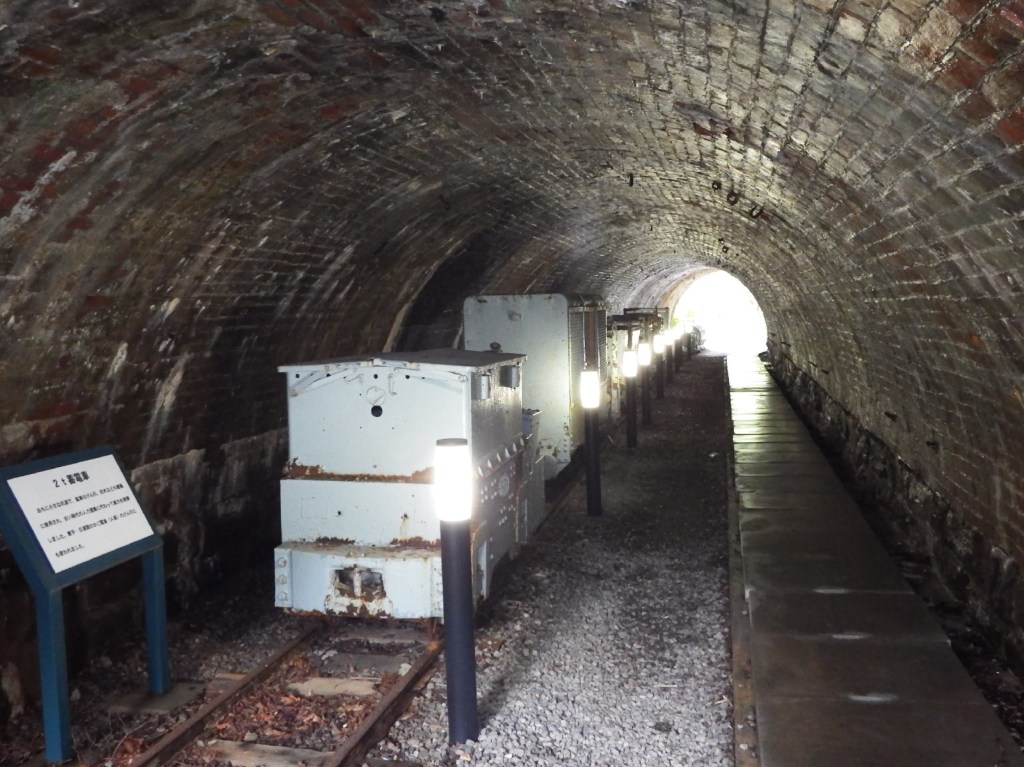
The mining train at Minetopia Besshi runs a short distance into a tunnel that was originally used to haul ore, and it is the only one of the mine’s railway lines that still carries passengers. The ride is a few minutes, and the tunnel is cool and wet, with the rails and the walls left as they were, and the commentary explains the drilling and the haulage. It is popular with children and it is short, so treat it as part of the museum rather than a ride in its own right. Tickets are sold at the main building, and the train runs through the day with a break at midday.
The mining museum
The museum at the Hadaba site covers the whole 283 years in a series of rooms: the hand-drilling and the fires set against the rock in the Edo period, the introduction of machinery and the vertical shafts in the Meiji period, the company town with its school, hospital and theatre, and the final years of heat and collapse before closure. There are models of the shafts, tools, photographs and ore samples, and a section on the labour, including the convict labour used in the early Meiji years, which is treated honestly rather than skipped. It takes about an hour and it is the necessary background for the ruins up the mountain.
Tonaru, the eastern Machu Picchu
Tonaru is the ore storage and processing site high on the mountain, built in 1930 and abandoned in 1973, and it is a huge structure of brick, concrete and steel built into the slope, with arches, chutes, an inclined railway and the remains of the cableway that carried the ore down to the coast. It is reached only by a guided minibus tour from Hadaba, about thirty minutes each way on a single-track road with hairpins, followed by an hour on foot with a guide. The tour runs at eleven and one, the eleven o’clock departure only on weekends and holidays except in May, August and November when it runs daily, costs 2,200 yen for anyone of school age, and must be booked, ideally in advance. The site is closed from December to the end of February because the road is blocked by snow. The structures are genuine ruins and there are drop-offs and loose surfaces, so this is not a place for sandals.
The old hydroelectric plant
The mine needed power, and the plant at Hadaba was built in the early twentieth century to supply it, with water brought down from the valley above. The building still holds its original generators and turbines, and you can walk among them: cast iron, brass fittings, marble control panels and the smell of oil, all still in place. It is a small exhibit compared with the museum, and it is the single best object on the site for anyone interested in industrial history. It is included in the mining museum ticket, and it is a short walk from the main building along the stream.
The company town
The mine did not just dig a hole; it built a town up the valley, with housing for the workers, a hospital, a school, a theatre and a library, and a few of those buildings survive. The memorial library, a handsome 1916 building with a reading room and a small museum of documents and photographs, is the best of them and is free or nearly so. Walking the lanes around it, with the concrete retaining walls, the stone stairways and the mountain behind, gives a clearer sense of what a Japanese company town was than any exhibition. It is a ten-minute drive or a twenty-minute walk from the Hadaba site, and there is a bus stop nearby.
Besshi onsen
There is a hot spring on the fourth floor of the main building at Hadaba, with an outdoor bath, a sauna and a rock bath, and it is fed by water from the mountain. It is a straightforward public bath rather than a ryokan experience, and it is the right thing to do after the tour, particularly in winter when the mountain road is shut and the ruins are inaccessible. The water is clear and hot, the view is of the forest, and the price is low. Niihama also has its own onsen hotels on the coastal side, and the city is a reasonable place to stay if you want to see the mine and the taiko festival in the same trip.
Food and drink
- Ehime is sea bream country, and the restaurant at the mine serves taimeshi, sea bream on rice, as its local dish.
- The mountain vegetables and the soba in the roadside station restaurant are the practical lunch, and there are few other options at the site.
- Niihama is famous for its yakitori and its okonomiyaki, and the streets around the station have plenty of both in the evening.
- The soft ice cream at the mine comes in a mandarin flavour, which is the local citrus, and is better than it sounds.
- There are few restaurants on the mountain road, and none at Tonaru, so eat before the tour.
Getting there and around
- Niihama is on the JR Yosan line, about an hour from Matsuyama by limited express and about an hour and a half from Takamatsu with a change at Tadotsu.
- From Niihama station, the Setouchi bus runs to Minetopia Besshi, the last stop, in about twenty-five to thirty minutes. Check the timetable on the operator’s site, since the service is not frequent.
- By car, leave the Matsuyama expressway at the Niihama interchange and follow the signs for about twelve minutes, six kilometres. Note that the Niihama interchange has been an ETC-only toll gate since February 2025.
- Tonaru has no direct public transport. Take the bus or drive to Hadaba and join the guided minibus tour, which must be booked.
- The road to Tonaru has a width and height limit, and is closed from December to the end of February.
- A taxi from Niihama station to Hadaba takes about twenty minutes and costs roughly 3,000 yen, which is worth it if the bus times do not suit.
- The site is about an hour and a half by car from Matsuyama and two hours from Takamatsu, which makes it a long half-day from either.
Where to stay
- Niihama has business hotels near the station and a few larger ones on the coast, which is the practical base.
- The mine site has an onsen but no accommodation, so staying at Hadaba is not an option.
- Matsuyama and Takamatsu have the full range of hotels and are an hour or two away, which makes Besshi a day trip.
- The mountain roads have no hotels, and the nearest accommodation to Tonaru is in Niihama.
Best time to visit
- Spring and autumn are the best seasons for Tonaru, with comfortable walking and the forest in leaf or colour.
- Summer is hot and humid, and the tunnel and the museum are a relief, but the ruin site is exposed.
- Autumn is the local favourite, with the maples on the mountain and clear air.
- Winter closes Tonaru from December to the end of February, and the Hadaba museum, the train and the onsen stay open.
- Avoid weekends and holidays in May, August and November if you want the Tonaru tour without a crowd, since the eleven o’clock departure runs daily then.
Practical tips
- Book the Tonaru minibus tour before you travel, especially in autumn and on weekends, because seats are limited and it is the reason to come.
- Check the day: the eleven o’clock tour runs only on weekends and holidays outside May, August and November, while the one o’clock tour runs daily.
- Wear shoes with grip for Tonaru. The ground is uneven, there are unprotected edges, and the structures are genuine ruins.
- Allow a full day: the museum, the train and the plant take two to three hours, and the Tonaru tour takes two.
- Take cash for the bus and the smaller shops; the site takes cards but the buses do not.
- Eat before the tour, since there is nothing at Tonaru and the tour takes two hours.
- Combine the mine with the company town and the memorial library, which most visitors skip and which explains the place better than the exhibits.
Suggested day-trip outline
- Morning: bus from Niihama station to Minetopia Besshi, the mining museum and the tunnel train.
- Late morning: the old hydroelectric plant and a walk along the stream, then the company town and the memorial library.
- Lunch: taimeshi at the site restaurant.
- Afternoon: the one o’clock guided minibus tour to Tonaru, two hours including the walk, back at Hadaba by three.
- Late afternoon: the onsen on the fourth floor, then the bus back to Niihama for yakitori.
Before you go
Timetables, fares, admission fees, and seasonal access rules can change. Check the official tourism and transport sites linked below for the latest information before you travel.
Explore More of Japan
Published guides that pair with this one:
- Niyodo River Travel Guide: Niko-buchi, Nakatsu Gorge and the Blue Water
- Uwajima Castle Travel Guide: A Small Original Keep above the Port
- Shimanami Kaido Guide: Cycling Across the Islands
- Matsuyama Castle Travel Guide: The 1854 Keep above the City
- Uwa Travel Guide: Ehime’s Meiji School and Old Post Town
- Shikoku Karst Travel Guide: The Highland Road, Stars, and Access
- The Museum of Art, Ehime Travel Guide: Highlights, Access, and Planning
- Mount Ishizuchi Guide: Shikoku’s Highest Peak
- Dogo Onsen Travel Guide: Historic Hot Springs in Matsuyama
Browse every Shikoku guide on this site for the rest of the region.
Sources
- besshi.com — Access (checked 2026-11-05)
- besshi.com (checked 2026-11-05)
- besshi.com (checked 2026-11-05)


Leave a Reply