A practical English guide to Tsuboya Yachimun Street in Naha: kilns, the pottery museum, workshops, cafes, access from Makishi and what to buy.
Operational details such as opening hours, admission fees, and train times can change. Prefer official pages and reconfirm before you travel (sources checked on 05 November 2026).
Why visit
- Tsuboya is the pottery quarter of Naha, a few minutes’ walk behind the Kokusai street, and it has been making ceramics for more than three centuries. In 1682 the Ryukyu royal government gathered the kilns scattered around the island into this one district to control the smoke and the craft, and the potters have stayed ever since.
- The street itself is short: about 400 metres of stone paving, lined with some 40 to 60 workshops, shops and cafes. What makes it worth an afternoon rather than ten minutes is that it is still a working craft district rather than a museum street. Potters throw and glaze behind the shopfronts, kilns stand in the yards, and the shops sell rice bowls and cups meant to be used rather than ornaments.
- Tsuboya also survived the 1945 battle largely intact, which is rare in Naha, and it is said to be where the city’s postwar recovery began. The old stone walls, the lanes behind the main street and the communal wells are genuine rather than reconstructed, and the district still looks like a neighbourhood rather than a tourist attraction.
- For a visitor, it is the best place in Okinawa to buy something that is both useful and local: a yachimun bowl or cup thrown and glazed here, at prices that start low and rise with the maker’s reputation. It is also the easiest craft experience on the island to fit into a city day, since the workshops run short throwing and painting sessions and the whole district is ten minutes from the monorail.
Top places and highlights
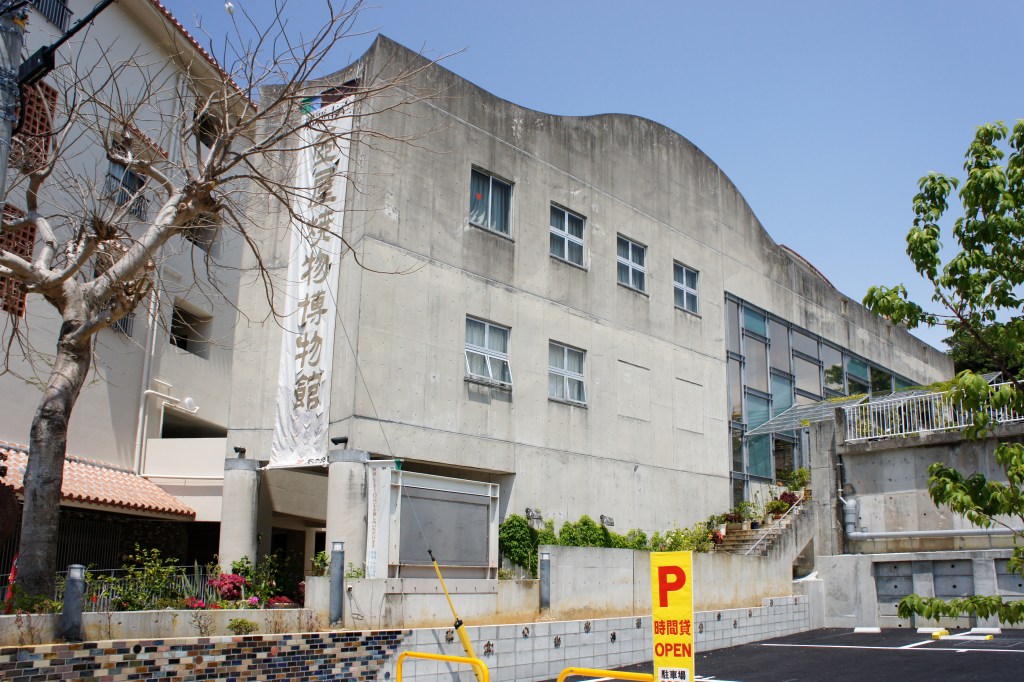
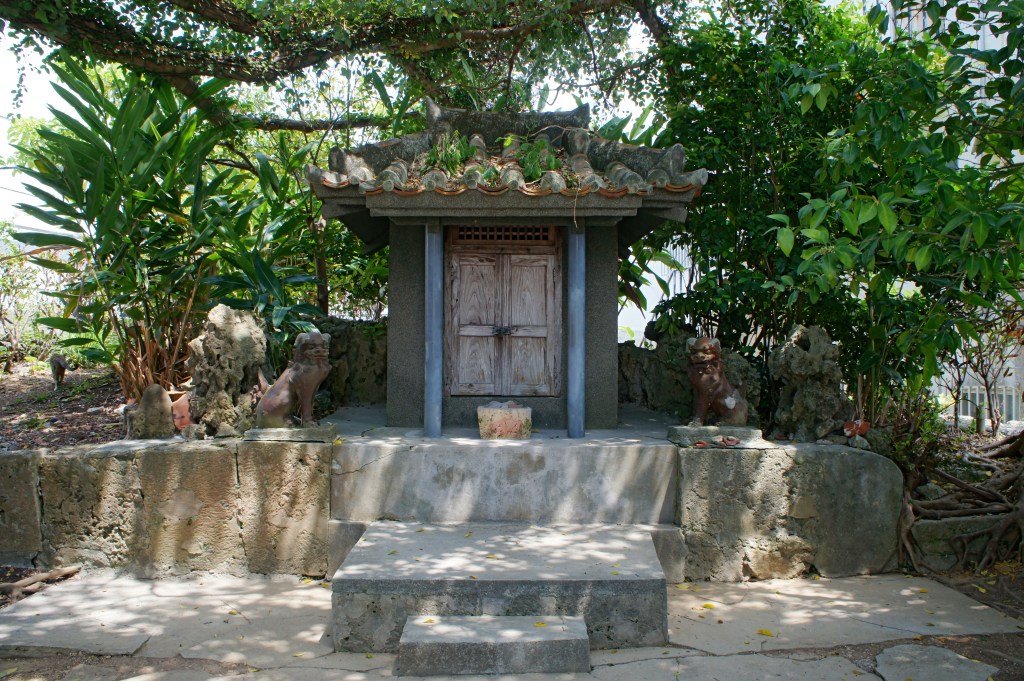
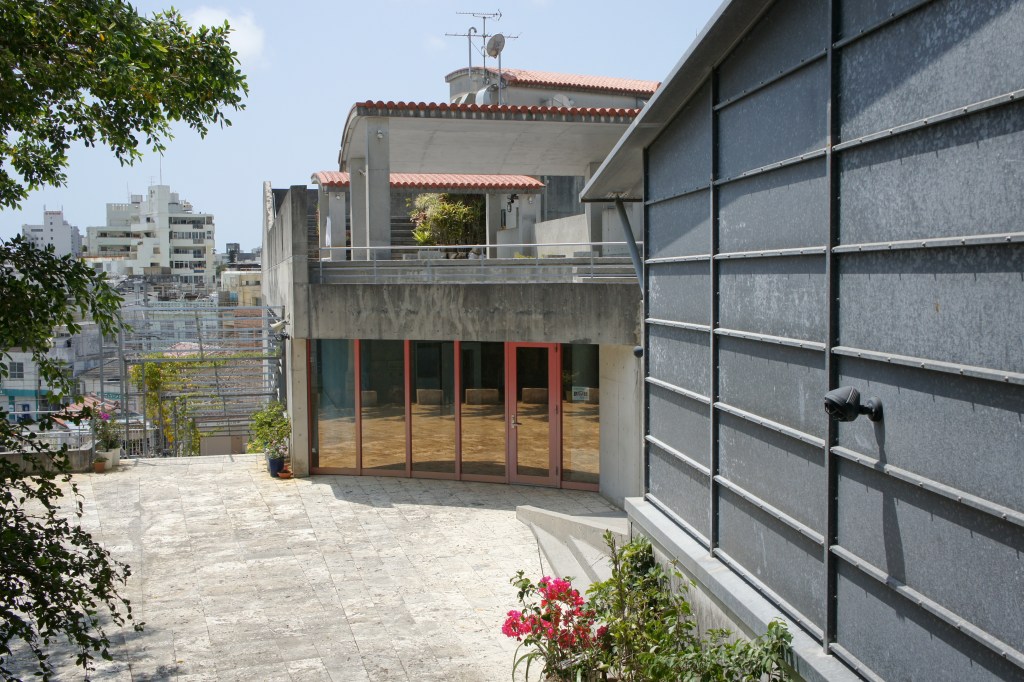
The street itself
Tsuboya Yachimun Street runs about 400 metres on stone paving, one-way for cars and better walked than driven, with workshops and shops on both sides and lanes opening off it. Yachimun is the Okinawan word for pottery, and the ware made here is Tsuboya-yaki: thick-walled, softly rounded, often with simple brushed patterns or a plain glaze that shows the clay. The shops range from long-established family businesses selling traditional patterns to young studios doing bright, playful designs, and prices run from a few hundred yen for a small cup to serious money for a master’s large vessel. Allow an hour to walk it properly, more if you stop. Note that opening hours vary by shop and that many open around 10:00 and close between 18:00 and 19:00, so a late-afternoon arrival finds some shutters down.
Naha City Tsuboya Pottery Museum
The municipal pottery museum sits at the entrance to the street and is the right place to start, because it explains what you are looking at. Displays run from the island’s earliest earthenware through the Ryukyu Kingdom period to contemporary work, with the techniques and kiln types explained along the way. It is open from 10:00 to 18:00 with last entry at 17:30, closed on Mondays except when Monday is a public holiday, and closed over the New Year period from 28 December to 4 January. Admission is 350 yen for adults and free for university students and younger, which makes it an easy first stop. The building also has a small shop and workshop space, and it is the place to ask about demonstrations.
The Fuenukamu climbing kiln
Behind the main street stands a climbing kiln, the Fuenukamu, a long arched structure built up a slope with its stone retaining wall, used for unglazed ara-yaki ware. It is the only surviving kiln of its kind on the street and is designated an intangible cultural property of Okinawa Prefecture. It is no longer fired, so this is a look-at rather than a demonstration, but the shape and the setting explain how a pottery district actually worked: one shared kiln, many workshops feeding it. It takes two minutes to see and is easy to walk past, so look for the sign and the arched roof between the shops.
A workshop session
Several studios on the street run short classes, and the best known is Ikutouen, a family kiln now in its sixth generation, which runs a workshop a couple of minutes off the main street. Sessions cover shisa figurines, wheel throwing, hand building and painting, take between thirty minutes and an hour and a half depending on the course, start from around 3,300 yen, and need booking. The piece is fired afterwards and collected or posted one to two months later, so this is not something you carry home the same day. For anyone with children, the shisa course is the manageable option; for adults, the wheel is the real thing. Book ahead in busy periods, and confirm the current price and schedule directly rather than relying on a listing.
Cafes, tea and the lanes behind
The district has a cluster of small cafes, several of them built into old wooden houses and several serving from yachimun rather than generic crockery. One is attached to the Fuenukamu kiln and serves coffee in locally made cups; another specialises in bukubuku tea, the frothy Ryukyu tea once drunk at celebratory occasions, whisked to a thick foam and topped with roasted rice. Opening hours are short and irregular, and some close one weekday, so treat the cafes as a bonus rather than a plan. The lanes behind the main street, the suji, are worth ten minutes on their own: stone walls, potted plants, cats asleep on steps, and a couple of old communal wells, including the Agarinu-ka well under a large banyan tree at the eastern end. This is a residential neighbourhood, so keep voices down and do not photograph into people’s doorways.
Makishi market and the walk from Kokusai street
The approach to Tsuboya through the Makishi market arcade is part of the visit rather than just a route. The arcade runs from Kokusai street towards the pottery district, lined with food stalls, fishmongers, souvenir shops and the public market building, and the ten-minute walk gives you the city as it actually works before you reach the craft quarter. The public market sells Okinawan ingredients, pork products and prepared food, and it is a good place to buy lunch or a snack before or after the pottery street. Because the arcade is covered, it also works on a rainy day, and it connects naturally to the Heiwa-dori covered streets. Walk it in both directions: on the way in it is a market, and on the way back it is the easiest route to dinner on Kokusai street.
Food and drink
- Okinawa soba, the island’s noodle soup with pork and a light broth, is the obvious lunch in the area and there are shops within a few minutes of the street. It is mild and filling rather than spicy.
- The cafes on Yachimun Street serve coffee, cake and light lunches in small rooms in old houses, often in locally made cups. Hours are short and some close one day a week, so check before building a meal around one.
- Bukubuku tea is the local curiosity: whisked green tea whipped to a thick foam and topped with roasted rice, once served at Ryukyu court celebrations. It is served at a gallery cafe on the street and tastes savoury rather than sweet.
- Sata-andagi, the Okinawan fried dough balls, appear in shops and cafes across the district and are the easy snack while walking.
- The Makishi public market and the Kokusai street area, five to ten minutes away, have the widest choice for a full meal; Tsuboya itself is better for a coffee and a snack than for a sit-down dinner.
- Note that many shops close by 18:00 to 19:00, so dinner is a reason to move back towards Kokusai street or the market area rather than staying in the pottery district.
Getting there and around
- The nearest monorail station is Makishi, about 10 to 15 minutes on foot, and the walk passes through the Makishi market street, which is a reasonable introduction to the area.
- From Kokusai street, walk through the Heiwa-dori arcade and you arrive at Yachimun Street in about five to ten minutes. This is the simplest route from the centre of Naha and needs no map.
- By bus, get off at the Tsuboya stop and the street is about a minute away. Routes 17, 30, 31, 55 and 112 serve it.
- From Naha Airport the drive is about 20 minutes, or about 16 minutes by monorail to Makishi followed by the walk. The monorail is the easier option with luggage.
- Do not plan to drive through the street: it is one-way, narrow and full of pedestrians. Use a coin car park nearby if you must drive, and expect to pay by the hour.
- The district is compact and flat, which makes it one of the easier walks in Naha, though the stone paving is uneven in places and the lanes behind the street have steps.
Where to stay
- Most visitors stay around Kokusai street or Naha’s monorail stations, which puts Tsuboya ten minutes away on foot. This is the practical choice for a city break.
- Hostels and small guesthouses have opened in the older streets around Makishi and Tsuboya themselves, some in renovated wooden houses. They suit travellers who want to be in the old quarter rather than on the main strip.
- Naha’s hotel stock runs from business hotels near the monorail to resort-style hotels on the waterfront at Naminoue. None of them is far from Tsuboya by taxi.
- For a beach stay, the resorts on the main island’s west coast are an hour or more away by car, which makes Tsuboya a day trip rather than a base.
Best time to visit
- The district is a street, so the season matters mainly through heat and rain. Winter and spring are the most comfortable for walking, with mild temperatures from December to April.
- Summer is hot and humid, and the stone paving holds the heat; go in the morning, carry water, and use the cafes and the museum as shade.
- The rainy season runs from around May to June, and typhoons are possible from summer into autumn. A wet day is a good reason to spend longer in the museum and the workshops.
- The street holds an autumn festival with discounts at kilns and shops, live music and guided walks, usually across a weekend in October or November. Dates change yearly, so check the street’s own site.
Practical tips
- Start at the pottery museum at the entrance. It costs 350 yen, takes under an hour, and makes everything on the street legible.
- Come in the late morning or early afternoon. Many shops open around 10:00, and by late afternoon the shutters start coming down.
- Bring cash. Smaller studios and cafes may not take cards, and buying directly from a potter is often a cash transaction.
- If you want a workshop, book ahead and accept that the piece arrives by post one to two months later. Do not plan to carry it home wet.
- Wrap purchases carefully or ask the shop to pack them for a flight; yachimun is thick but brittle, and a bowl in a rucksack will not survive the trip.
- Walk the lanes behind the main street, but remember people live there. Ask before photographing workshops, and never photograph a potter at the wheel without permission.
- Prices vary enormously for similar-looking pieces. A bowl made by a named master and one made in a student studio are both yachimun, and the difference is craft, not authenticity.
- Combine the street with the Makishi market and Kokusai street rather than making a separate trip; the three fit into one half day on foot.
Suggested day-trip outline
- Morning: monorail to Makishi, walk through the market street, and start at the Tsuboya Pottery Museum.
- Late morning: walk the length of Yachimun Street, looking at the Fuenukamu kiln and the workshops, and buy one small piece rather than five souvenirs.
- Lunch: Okinawa soba or a cafe lunch nearby, in a room in an old house if you can get a seat.
- Afternoon: a workshop session at one of the kilns, or the lanes behind the street and the banyan tree at the eastern end with the old well.
- Late afternoon: coffee on the street, then walk back to Kokusai street for the market and dinner.
Before you go
Timetables, fares, admission fees, and seasonal access rules can change. Check the official tourism and transport sites linked below for the latest information before you travel.
Explore More of Japan
Published guides that pair with this one:
- Naha and Kokusai Street Guide: Markets, Food and the Old Capital
- Shuri Castle Guide: The Heart of the Ryukyu Kingdom
- Okinawa Travel Guide: Discover Japan’s Tropical Paradise
- Okinawa Prefectural Museum and Art Museum Travel Guide: Highlights, Access, and Planning
- Shikinaen Garden Travel Guide: Naha’s Ryukyu Royal Garden
- Yonaguni Island Travel Guide: Japan’s Westernmost Edge
- Himeyuri Peace Museum Travel Guide: Okinawa’s Student Nurses
- Ie Island Travel Guide: Okinawa’s Ferry Escape
- Nago Castle Park Travel Guide: Okinawa’s Hilltop Ruins and Cherry Blossoms
Browse every Okinawa guide on this site for the rest of the region.
Sources
- tsuboya-yachimun.com (checked 2026-11-05)
- naha-navi.or.jp (checked 2026-11-05)
- naha-navi.or.jp (checked 2026-11-05)
- okinawastory.jp (checked 2026-11-05)


Leave a Reply